



What's Happening?
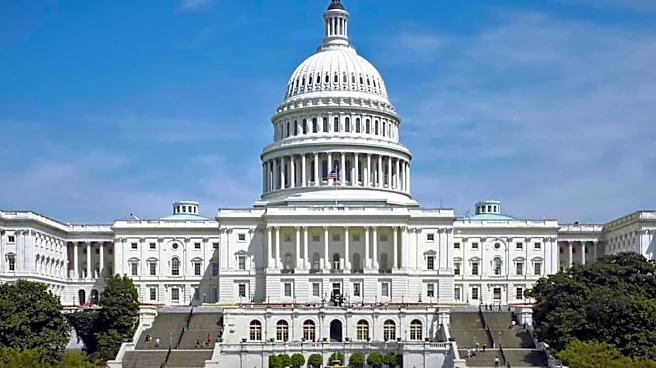
Representative Diana Harshbarger (R-TN) has co-sponsored the 'MAIN Event' Ticketing Act (HR 2713), a bipartisan piece of legislation that recently passed the House Energy and Commerce Committee with a unanimous 36-0 vote. The bill aims to combat ticket
fraud and enhance consumer protection in the ticketing industry. The amended bill requires ticket issuers who own or operate online sales services to implement access controls and technological measures to enforce purchase limits. They must also establish administrative, technical, and physical security safeguards, oversee third-party service providers, and regularly update these protections. Furthermore, ticket issuers are mandated to report known incidents of circumvention to the Federal Trade Commission (FTC) within 30 days and take reasonable steps to improve their systems when circumvention is identified. The FTC will be directed to create a consumer-reporting mechanism and coordinate with state attorneys general and other agencies. The legislation also proposes significantly larger civil penalties for violations, with a possible penalty of at least $10,000 per day and a minimum of $1,000 per violation.
Why It's Important?
This legislation is important for U.S. consumers and the entertainment industry as it seeks to create a more secure and equitable ticketing environment. By targeting automated ticket fraud and circumvention, the bill aims to reduce the prevalence of 'bots' that often snatch up large quantities of tickets, making them unavailable to general consumers or forcing them to purchase at inflated prices on secondary markets. The increased penalties and reporting requirements for ticket issuers could incentivize greater investment in security measures, ultimately protecting consumers from fraudulent practices. However, the bill also raises questions about the balance between combating illegal bot activity and potentially granting more power to dominant ticketing platforms. Critics, such as the Coalition for Ticket Fairness, support strong enforcement against bots but caution against legislation that could inadvertently lead to broader ticket-purchasing rules being enforced by a few large entities, potentially stifling competition and consumer choice. The definition of 'circumvention' is crucial, as it distinguishes between violating a private purchase rule and bypassing a technological control, which would constitute a federal offense.
What's Next?
The 'MAIN Event' Ticketing Act, having passed the House Energy and Commerce Committee, is now awaiting a House floor vote. If it passes the House, it will then move to the Senate for consideration. The implementation of the bill, if enacted, would require the FTC to establish new consumer-reporting mechanisms and coordinate with state agencies. Ticket issuers would need to review and potentially upgrade their security systems and reporting protocols to comply with the new regulations. The debate surrounding the bill's potential impact on market competition and the power dynamics within the ticketing industry is likely to continue as it progresses through the legislative process. Stakeholders, including consumer advocacy groups, secondary ticket market operators, and primary ticket sellers, will closely monitor its development and potential implications for their operations and consumer access.
Beyond the Headlines
Beyond the immediate goal of curbing ticket fraud, this legislation touches upon deeper issues concerning market control and consumer rights in the digital age. The bill's focus on technological circumvention highlights the ongoing arms race between ticket sellers and those attempting to exploit system vulnerabilities. The involvement of major players like Live Nation, which is reportedly backing the bill despite facing an FTC lawsuit for alleged monopolistic practices, adds a layer of complexity. This suggests a strategic move by large corporations to shape legislation in a way that could redefine the narrative around ticketing issues, potentially shifting blame from their own pricing and fee structures to external 'bot' activity. This could set a precedent for how federal law interacts with private company terms of service, potentially expanding the scope of federal enforcement into areas previously governed by private contracts. The long-term implications could include a re-evaluation of antitrust regulations in the entertainment industry and a broader discussion about consumer protection in online marketplaces.