


What's Happening?
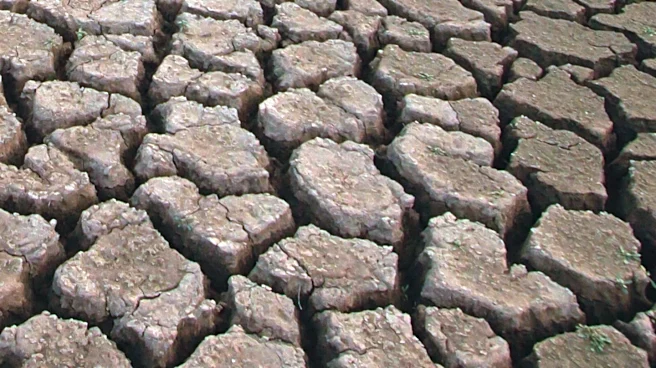
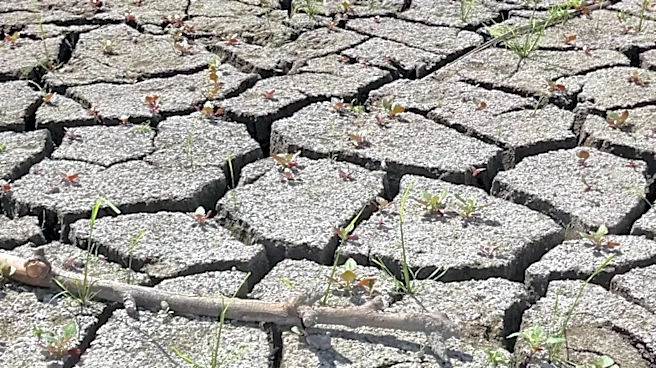
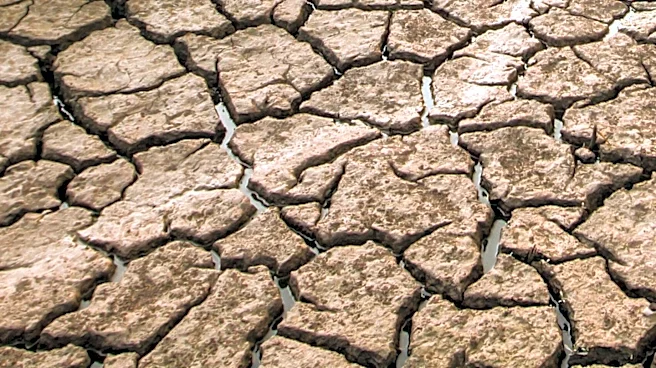
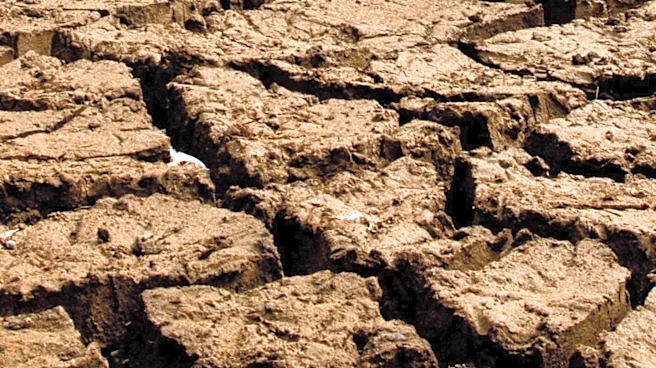
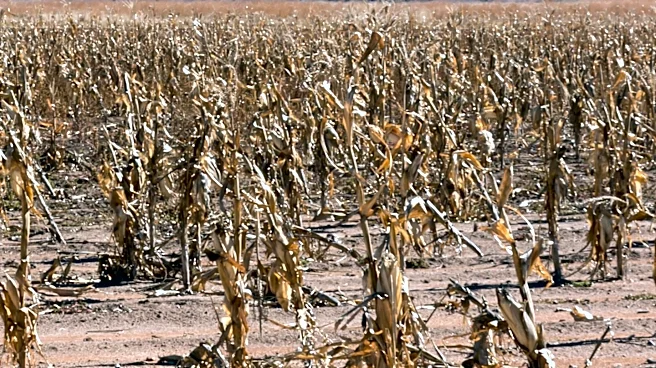
The Karnali provincial government in Nepal has established a five-member task force to study the impact of drought in Salyan and Surkhet districts, where paddy plantation has been severely affected. The task force, formed by the Ministry of Land Management,
Agriculture and Cooperatives, will assess the situation in specific wards of Bangad Kupinde Municipality and Simta Rural Municipality. The decision was prompted by concerns raised in the Karnali Provincial Assembly about the plight of farmers unable to plant paddy due to insufficient rainfall. The task force, led by senior agricultural economist Chitra Bahadur Rokaya, will work with local governments and stakeholders to identify drought causes, assess impacts, and recommend solutions.
Why It's Important?
The formation of the task force underscores the urgent need to address agricultural challenges posed by climate variability in Nepal. The drought's impact on paddy plantation threatens food security and the livelihoods of farmers who rely on monsoon rains. The task force's findings could lead to policy changes and the implementation of relief measures, potentially influencing agricultural practices and water management strategies in the region. The situation highlights the broader issue of climate change and its effects on agriculture, necessitating adaptive measures to ensure sustainable food production.
What's Next?
The task force is expected to submit a report with recommendations to the provincial government, which may lead to the introduction of relief measures for affected farmers. The government might also consider expanding irrigation facilities and implementing long-term solutions to mitigate water shortages. The findings could influence future agricultural policies and resource allocation, aiming to enhance resilience against climate-induced challenges.
Beyond the Headlines
The drought in Karnali Province reflects the growing challenges of climate change and its impact on traditional farming practices. The situation may prompt discussions on sustainable agriculture, water conservation, and the need for technological advancements in farming. The task force's work could serve as a model for other regions facing similar challenges, emphasizing the importance of proactive measures in climate adaptation.