






What's Happening?
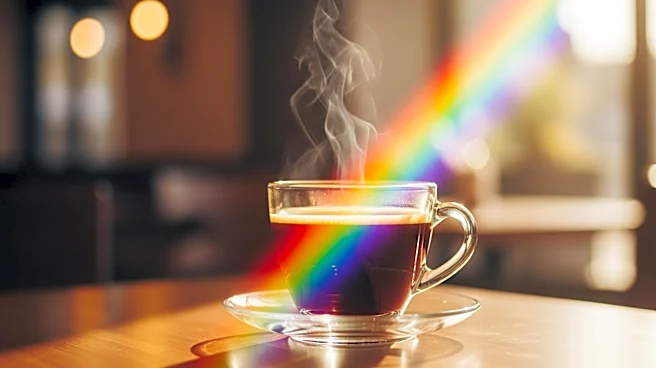
Philz Coffee, a San Francisco-based coffee chain, has reversed its decision to remove Pride flags from its stores following significant backlash. CEO Mahesh Sadarangani issued an apology, acknowledging the mistake and expressing regret for the confusion
and hurt caused by the initial decision. The company confirmed that all Pride flags will remain displayed, and any that were previously removed can be reinstated. This decision came after discussions with San Francisco Pride leaders, who emphasized the importance of the Pride flag as a symbol of safety and belonging for the LGBTQ+ community. The reversal was prompted by criticism from customers, employees, and LGBTQ advocates, as well as an online petition urging the company to keep the flags.
Why It's Important?
The decision by Philz Coffee to reinstate Pride flags highlights the influence of public opinion and advocacy on corporate policies, especially regarding issues of identity and inclusion. The backlash underscores the importance of symbols like the Pride flag in representing safety and belonging for marginalized communities. This incident reflects a broader trend where companies are increasingly held accountable by consumers and advocacy groups for their stances on social issues. The reversal also demonstrates the potential reputational risks businesses face when their policies are perceived as exclusionary or insensitive, particularly in politically charged climates.
What's Next?
Philz Coffee plans to feature locally created artwork in its stores, shaped by the voices of team members and the neighborhoods they serve, as a living expression of the diverse communities they are part of. This initiative aims to further demonstrate the company's commitment to inclusivity and community engagement. The company will likely continue to engage with LGBTQ+ leaders and advocates to ensure its policies align with the values of its diverse customer base. The incident may also prompt other businesses to reevaluate their own policies and practices regarding inclusivity and representation.