



What's Happening?
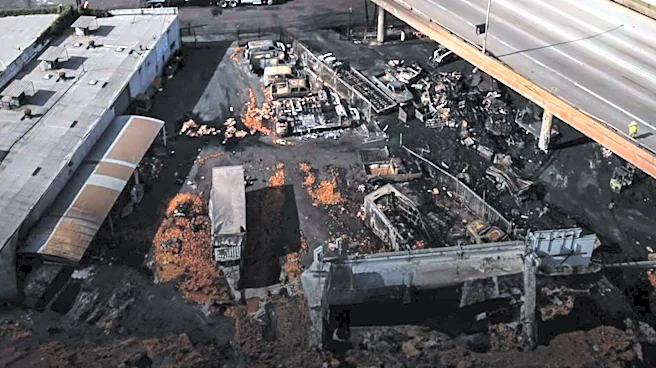
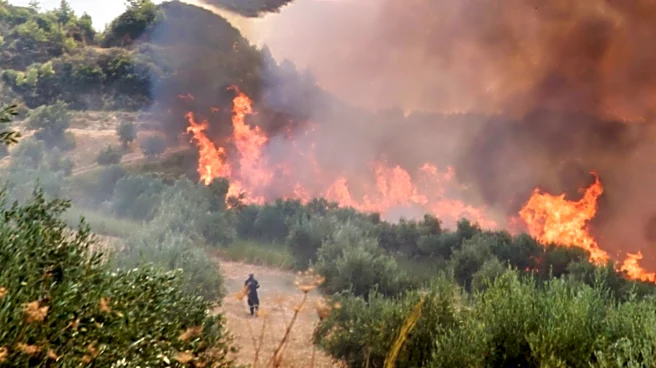
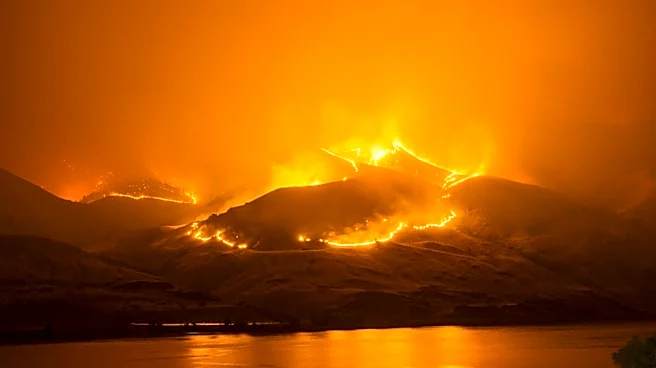
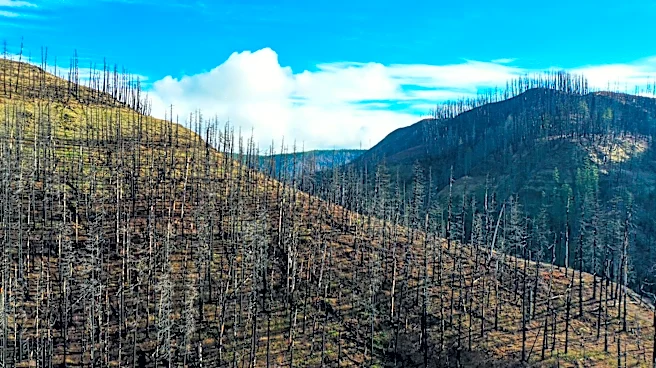
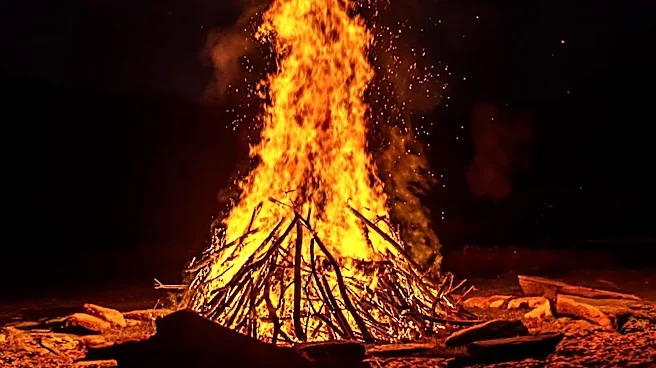
Oregon is experiencing its worst wildfire season on record, with over 2.3 million acres burned so far in 2026. The Big Grass Fire, the largest in the state, has consumed more than half a million acres and is only 41% contained. Other significant fires
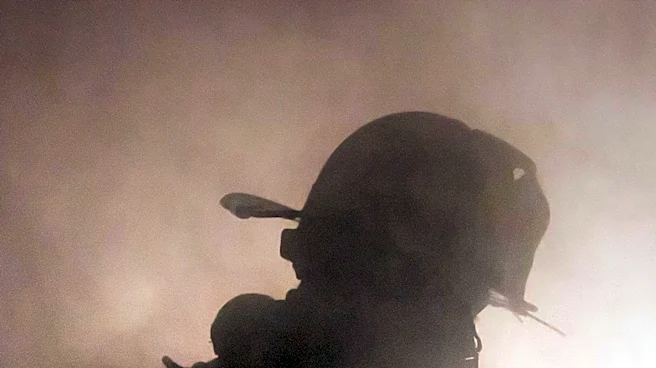
include the Rowe Creek Complex and the Grasshopper Fire, which have prompted evacuation orders and continue to challenge firefighting efforts. The fires are fueled by dry conditions and challenging weather, complicating containment efforts.
Why It's Important?
The record-breaking wildfire season in Oregon highlights the increasing threat of wildfires in the region, driven by climate change and extreme weather conditions. The fires pose significant risks to communities, infrastructure, and natural resources, necessitating urgent action to improve wildfire management and prevention strategies. The economic impact is also substantial, affecting local economies and requiring significant resources for firefighting and recovery efforts. The situation underscores the need for comprehensive policies to address the root causes of increased wildfire activity.
What's Next?
Firefighting efforts will continue, with additional resources likely to be deployed to the most affected areas. Authorities may implement further evacuation orders as conditions evolve. The ongoing situation underscores the need for long-term strategies to address the root causes of increased wildfire activity, including climate change and land management practices. Stakeholders, including government agencies, environmental organizations, and local communities, will need to collaborate on comprehensive plans to reduce future wildfire risks.