






What's Happening?
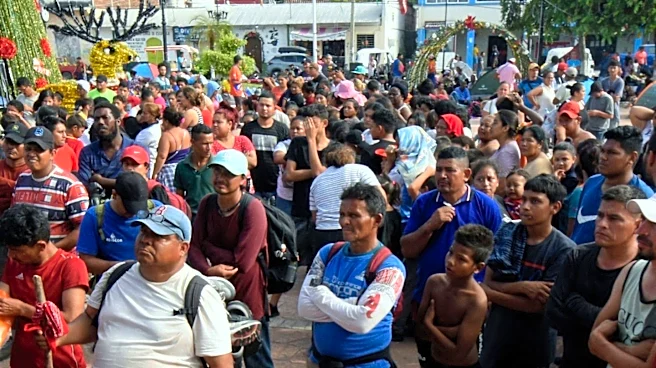
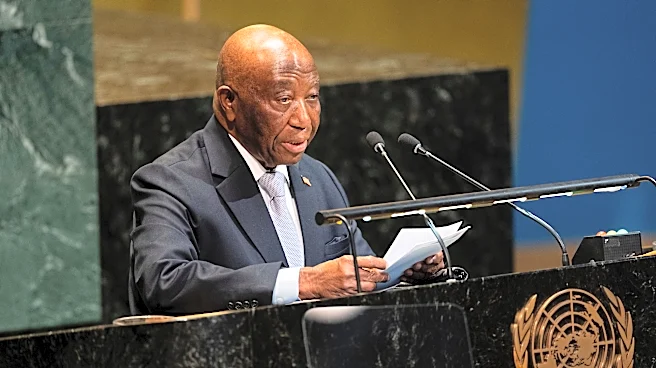
Since the beginning of the year, 2,284 Mexican citizens deported from the United States have arrived in Guatemala. Guatemalan President Bernardo Arévalo confirmed that these individuals are being transported on the same planes used to return Guatemalans
to their home country. Guatemala is serving as a transit point, with the deported Mexicans subsequently transported to Mexico under an agreement with the Mexican government. President Arévalo stated that the return to Mexico typically occurs within 24 hours, and transportation costs are covered by either Mexico or the United States. This practice has drawn objections from the Mexican Ministry of Foreign Affairs, which is coordinating with the involved countries to ensure the safe return of its citizens and asserts every Mexican citizen's right to enter their country. Migration experts suggest that routing deportees through third countries like Guatemala or Honduras could complicate future attempts to cross the U.S. border.
Why It's Important?
This development signifies a notable shift in U.S. deportation procedures for Mexican citizens, potentially impacting immigration patterns and international relations in Central America. The use of Guatemala as a transit country, rather than direct deportation to Mexico, introduces a new layer of complexity to the process. For the deported individuals, this indirect route could create additional logistical and financial burdens, as well as psychological stress, by extending their journey and potentially making re-entry into the U.S. more challenging. For Guatemala, it means managing an increased flow of individuals through its territory, albeit temporarily. The Mexican government's objection highlights concerns over national sovereignty and the welfare of its citizens, indicating potential diplomatic friction. This strategy by the U.S. could be an attempt to deter repeat border crossings, but it also raises questions about the humanitarian implications and the effectiveness of such a multi-country deportation process.
What's Next?
The Mexican Ministry of Foreign Affairs is actively coordinating with the U.S. and Guatemala to address its objections and ensure the safe return of its citizens. This suggests ongoing diplomatic discussions and potential negotiations to alter or refine the current deportation arrangement. It remains to be seen whether these discussions will lead to changes in U.S. policy regarding the transit of Mexican deportees through third countries. Migration experts will likely continue to monitor the impact of this practice on re-entry attempts and the overall flow of migration. Additionally, human rights organizations are expected to scrutinize the conditions and processes involved in these multi-country deportations, particularly concerning the rights and well-being of the individuals being moved. The long-term implications for regional migration policies and international cooperation on immigration issues will also be a key area of observation.
Beyond the Headlines
The practice of deporting Mexican citizens through third countries like Guatemala or Honduras raises deeper ethical and legal questions about the responsibilities of nations in managing migration flows. While the U.S. aims to enforce its immigration laws, the method of deportation can have significant humanitarian consequences. The involvement of multiple countries in the deportation process complicates accountability and oversight, potentially creating vulnerabilities for individuals who are already in a precarious situation. This approach could also set a precedent for other countries to adopt similar multi-stage deportation strategies, further internationalizing the complexities of immigration enforcement. The underlying tension between national security interests, immigration control, and human rights will continue to be a critical aspect of this evolving situation, prompting ongoing debate among policymakers, international organizations, and civil society groups.