


What's Happening?
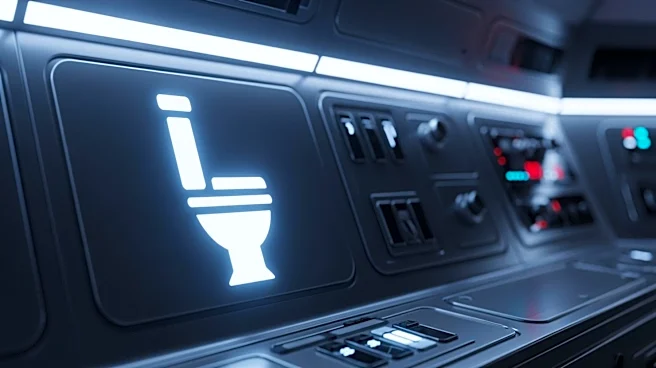
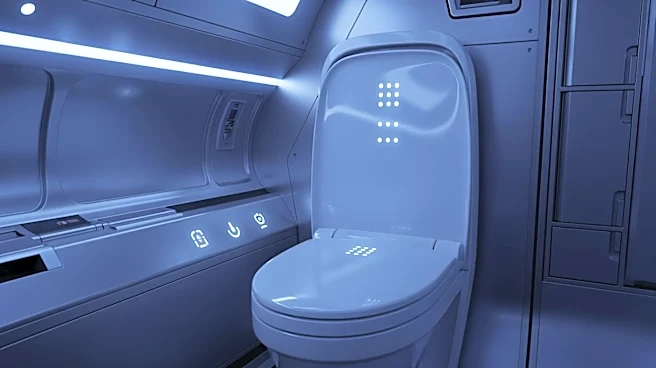
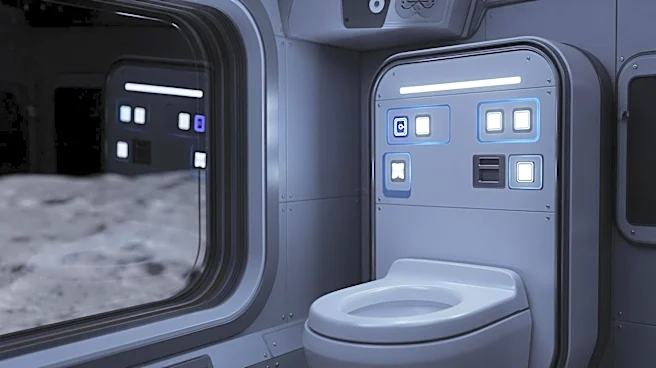
NASA's Artemis II mission, which aims to send astronauts around the Moon, encountered an unexpected issue with the spacecraft's toilet system shortly after launch. The problem began when the urine collection system failed to function properly due to it not
being fully primed with water. Although this was corrected, another issue arose involving frozen urine in the vent line, which required the spacecraft to be repositioned to allow sunlight to clear the blockage. The toilet was then cleared for limited use, which quickly became a topic of humor online. Astronaut Christina Koch reported an unusual smell from the hygiene bay, described as a 'kind of burning heater smell.' Despite these issues, mission control confirmed there were no major concerns, and the system was cleared for continued use.
Why It's Important?
The incident highlights the challenges of maintaining life-support systems in space, which are crucial for the safety and comfort of astronauts on long-duration missions. The toilet malfunction, while seemingly minor, underscores the importance of reliable waste management systems in space exploration. The public's reaction, particularly through memes and jokes, reflects a broader interest and engagement with space missions, which can influence public support and funding for NASA. Additionally, the incident serves as a reminder of the complexities involved in space travel and the need for thorough testing and preparation for all onboard systems.
What's Next?
NASA will likely conduct a thorough review of the toilet system to prevent similar issues in future missions. This may involve redesigning components or implementing new protocols for system checks before launch. The incident could also prompt discussions within NASA and the broader space community about the design and reliability of life-support systems. Public interest generated by the memes and online discussions may lead to increased media coverage of the Artemis II mission, potentially influencing public perception and support for NASA's lunar exploration goals.