








What's Happening?
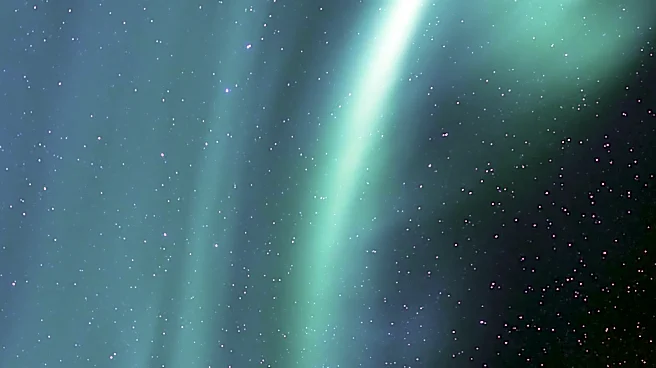
Late Friday night, residents of West Seattle experienced a rare sighting of the Northern Lights over Puget Sound. The aurora, described as a faint green band, was visible for a few minutes and was primarily captured through phone cameras and long-exposure
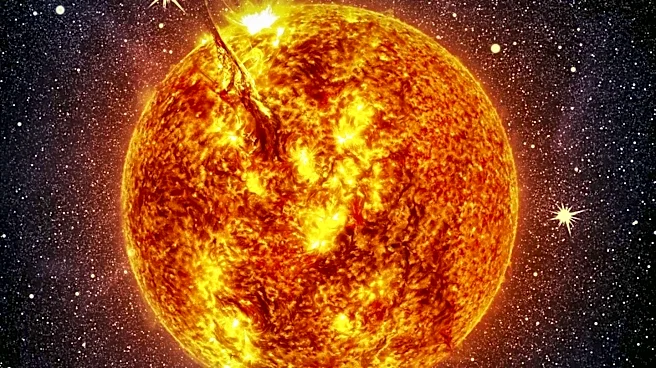
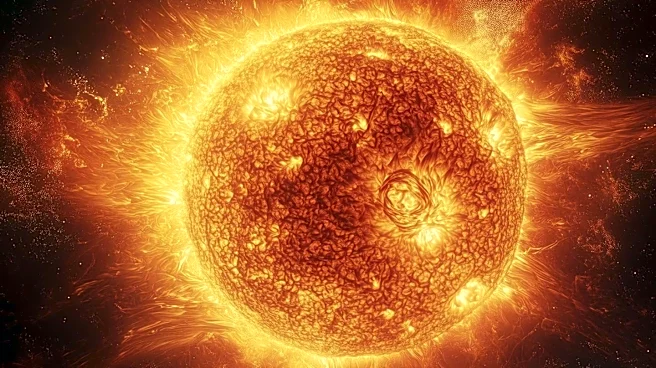
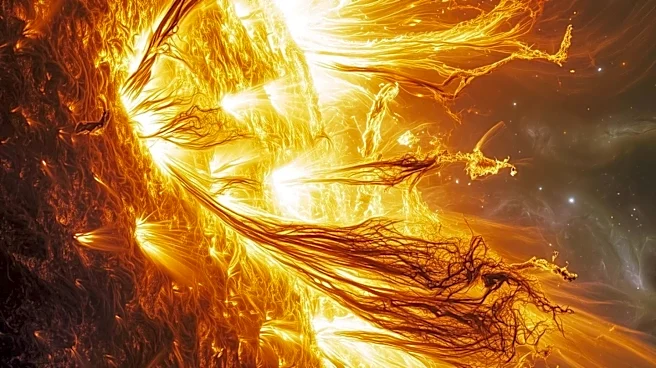
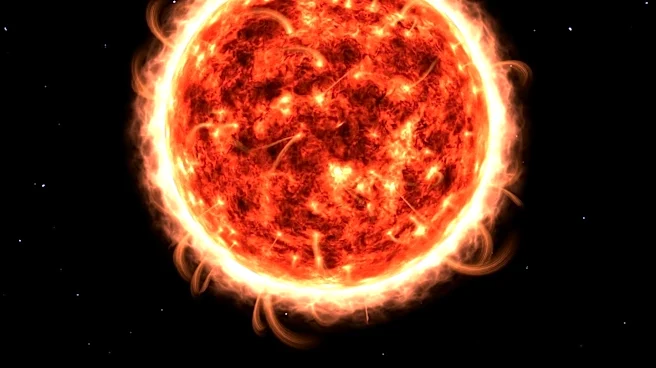
photography. This unexpected display was linked to solar activity, specifically an X1.1-class solar flare on June 30, which resulted in a coronal mass ejection (CME) directed towards Earth. The CME's interaction with Earth's magnetic field allowed charged particles to illuminate the upper atmosphere, extending the aurora's visibility further south than usual. The West Seattle Blog reported the event after a reader submitted a photo, and the aurora forecast map confirmed Seattle's position within the auroral zone.
Why It's Important?
The occurrence of the Northern Lights in areas like Seattle, which are not typically known for such displays, highlights the impact of solar activity on Earth's atmosphere. This event underscores the importance of monitoring space weather, as solar flares and CMEs can have significant effects on satellite operations, communication systems, and power grids. For local residents, the sighting provided a unique opportunity to witness a natural phenomenon that is usually reserved for higher latitudes. It also serves as a reminder of the interconnectedness of space and terrestrial weather systems, prompting interest and awareness in space weather forecasting.
What's Next?
Skywatchers in the Seattle area are advised to remain vigilant for potential future auroral displays, as additional CMEs are expected to brush past Earth over the holiday weekend. To increase the chances of witnessing the Northern Lights, residents should seek out dark locations away from city lights and use cameras with night mode or long-exposure settings. Checking real-time updates from NOAA's Space Weather Prediction Center can provide guidance on the likelihood of auroral activity. Continued solar activity could lead to more opportunities for viewing the aurora in unexpected locations.