


What's Happening?
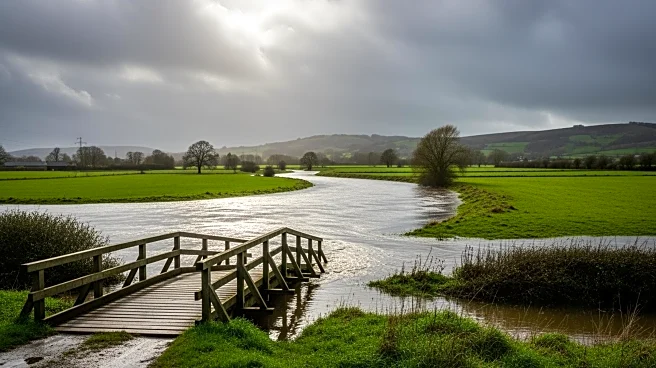
The Trump administration has delayed billions of dollars in federal funding intended for disaster preparedness and prevention, leaving rural towns like Duryea, Pennsylvania, vulnerable to extreme weather events. The town, located on the banks of the Lackawanna
River, faces increased flooding risks due to climate change and development changes. Despite the need for levee upgrades to protect against rising water levels, local authorities have been unable to access federal grants due to the administration's withholding of funds. The Federal Emergency Management Agency (FEMA) has recently agreed to restart the largest federal grant program for disaster preparedness following a lawsuit by 20 states. However, competition for these funds is expected to be intense, as two years' worth of applicants will vie for one year's worth of money.
Why It's Important?
The delay in federal funding has significant implications for rural communities that rely on government support to protect against natural disasters. Without these funds, towns like Duryea cannot afford necessary infrastructure upgrades, leaving them at risk of catastrophic flooding. The situation highlights the broader issue of how federal policies and funding decisions impact local disaster preparedness and resilience. The Trump administration's cuts to disaster preparedness programs have left many communities vulnerable, raising concerns about the federal government's role in supporting climate change adaptation and infrastructure improvements. The outcome of this funding delay could affect public safety, economic stability, and the ability of rural areas to withstand future extreme weather events.
What's Next?
With FEMA's agreement to restart the disaster preparedness grant program, rural communities are hopeful for the resumption of funding. However, the process of reviewing applications and disbursing funds could take time, especially given the backlog of applications and the agency's reduced workforce. The prioritization of major infrastructure projects may influence which communities receive funding, potentially disadvantaging smaller towns with limited resources. The ongoing debate over federal disaster preparedness funding and climate change policies is likely to continue, with potential implications for future infrastructure projects and community resilience efforts.