




What's Happening?
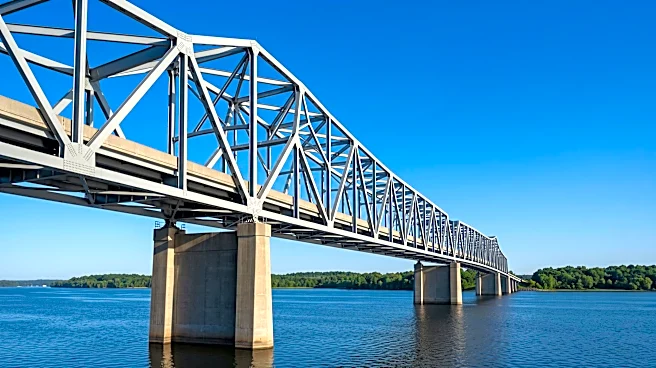
The groundbreaking ceremony for the Blatnik Bridge reconstruction project recently took place, bringing together numerous public servants, community leaders, and partners. This project is significant for the City of Superior, as the Blatnik Bridge is a vital
transportation artery, accommodating over 30,000 vehicles daily. Its reconstruction is expected to have a substantial impact on the community, requiring patience and collaboration during the multi-year endeavor. Senator Tammy Baldwin emphasized the necessity of local, state, and federal partners working together to realize this project. The collaborative spirit among Wisconsin, Minnesota, city officials, WisDOT, and MnDOT was crucial in reaching this milestone. The project aims to enhance safety for both vehicles and pedestrians, better facilitate oversized loads, and establish a dependable connection between Superior and Duluth for future generations. Hundreds of leaders, engineers, trade workers, and transportation professionals are expected to contribute their expertise to this complex undertaking.
Why It's Important?
The reconstruction of the Blatnik Bridge holds significant importance for regional infrastructure and economic stability. As a critical link carrying substantial daily traffic, its modernization will directly impact the flow of goods and people between Superior, Wisconsin, and Duluth, Minnesota. Improved safety features and the capacity to handle oversized loads will enhance commercial transportation efficiency, potentially reducing logistical costs for businesses operating in the region. The project also represents a substantial investment in public infrastructure, creating jobs for engineers, trade workers, and other professionals, thereby stimulating local economies. The emphasis on collaboration among various governmental levels underscores a model for addressing large-scale infrastructure challenges, which could serve as a precedent for other states facing similar needs. A reliable and safe bridge is fundamental for sustained economic growth and community connectivity in the Upper Midwest.
What's Next?
The Blatnik Bridge reconstruction project is now officially underway, marking the beginning of a multi-year construction phase. The immediate next steps will involve the detailed planning and execution of the construction schedule, which will undoubtedly require ongoing coordination among Wisconsin, Minnesota, and local authorities. Residents and businesses in Superior and Duluth should anticipate significant traffic adjustments and potential disruptions as the project progresses, necessitating clear communication from transportation departments. The successful completion of this project will depend on the continued collaboration highlighted by Senator Baldwin, ensuring that all stakeholders remain aligned throughout the construction period. Regular updates on project milestones and traffic impacts will be crucial for managing public expectations and minimizing inconvenience. The long-term outcome will be a modernized bridge designed to serve the region's transportation needs for decades.
Beyond the Headlines
Beyond the immediate benefits of improved infrastructure, the Blatnik Bridge project highlights broader themes of regional cooperation and long-term planning in the face of aging national infrastructure. The collaborative effort between Wisconsin and Minnesota, along with federal and local entities, demonstrates how complex, multi-jurisdictional projects can be advanced through shared vision and commitment. This project also underscores the economic imperative of maintaining and upgrading critical transportation links, as their deterioration can severely impede commerce and daily life. The emphasis on accommodating oversized loads reflects evolving logistical needs in modern economies, where larger shipments are becoming more common. Furthermore, the project's duration and anticipated impact on daily commuters will test community resilience and the effectiveness of public engagement strategies, offering valuable lessons for future large-scale public works. It represents a proactive approach to infrastructure investment, aiming to prevent future crises rather than merely reacting to them.