


What's Happening?
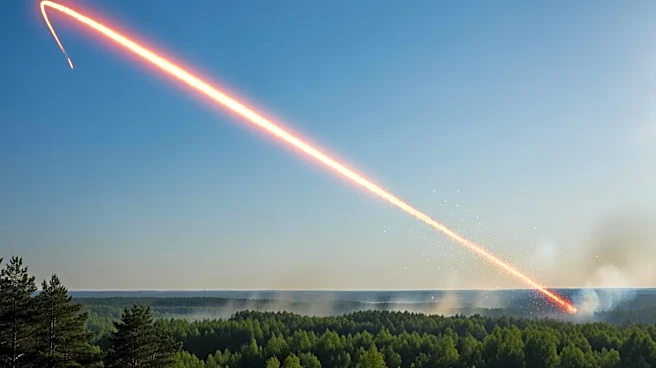
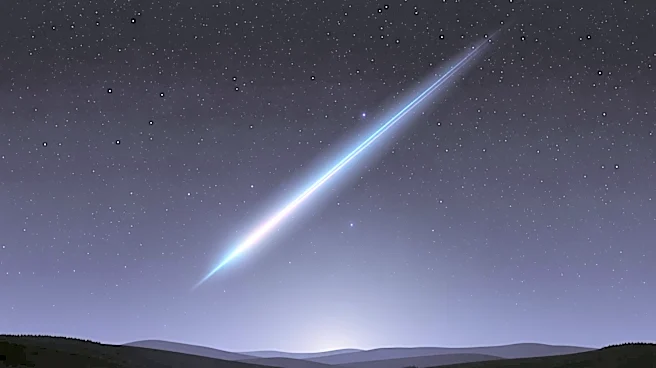
The Lyrid meteor shower is expected to peak overnight on April 21-22, offering a dazzling display of shooting stars. This annual event occurs as Earth passes through the debris trail left by Comet C/1861 G1 Thatcher. During the peak, up to 18 meteors
per hour may be visible, originating from the constellation Lyra near the bright star Vega. The Lyrids are known for their bright, fast-moving meteors, which can occasionally produce spectacular fireballs. The best viewing time is in the early hours of April 22, when the radiant is high above the eastern horizon and the moon is set, providing optimal dark sky conditions.
Why It's Important?
Meteor showers like the Lyrids offer a unique opportunity for both amateur and professional astronomers to observe celestial phenomena. They serve as a reminder of the dynamic nature of our solar system and the ongoing interactions between Earth and cosmic debris. For photographers and skywatchers, the Lyrids provide a chance to capture stunning images of meteors streaking across the sky. Additionally, these events can inspire interest in astronomy and science, encouraging educational activities and public engagement with space exploration.
What's Next?
As the Lyrid meteor shower approaches, enthusiasts are advised to find locations away from city lights to maximize visibility. Allowing time for eyes to adjust to the dark and using red light for illumination can enhance the viewing experience. The shower may continue to produce meteors on surrounding nights, so observers should remain vigilant. This event also sets the stage for future meteor showers, maintaining interest in astronomical events throughout the year.