




What's Happening?
Since the announcement of a ceasefire with Iran, the nature of the conflict has shifted from military engagements to psychological and economic warfare. Despite the absence of active military confrontations, tensions remain high as global markets react
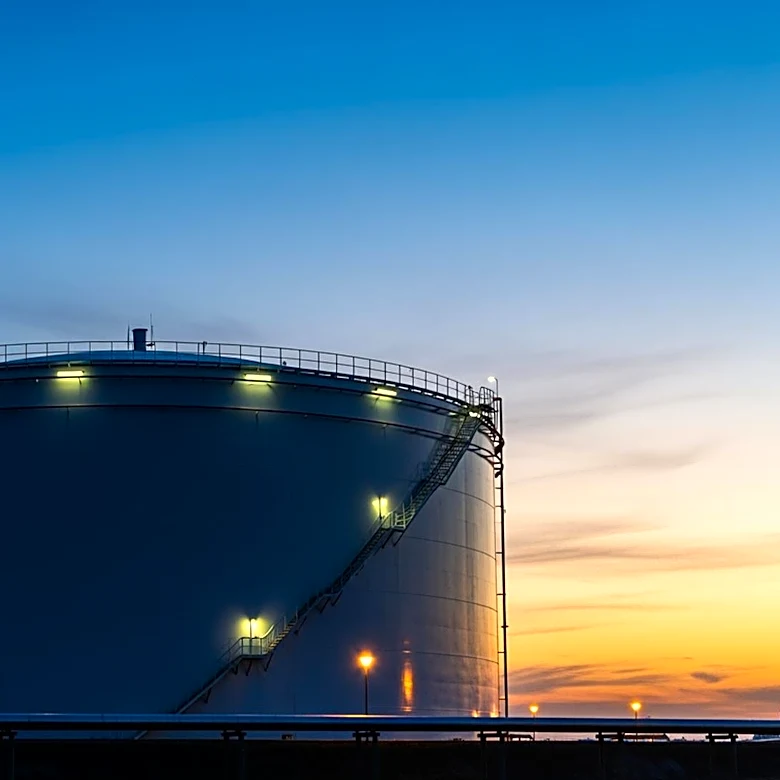
to the potential for disruption, particularly in the Strait of Hormuz, a critical passage for global oil supply. The conflict has evolved into a strategic war of perception, with both sides engaging in rhetoric that influences global economic stability. The situation highlights the changing nature of modern warfare, where economic disruption can have far-reaching impacts without traditional military engagements.
Why It's Important?
The shift in conflict dynamics underscores the increasing importance of economic factors in modern warfare. The potential disruption of oil supplies through the Strait of Hormuz can lead to significant economic consequences, including rising oil prices, increased shipping costs, and inflationary pressures worldwide. This situation affects not only the countries directly involved but also has broader implications for global economic stability. The strategic use of economic leverage in conflicts represents a new dimension of warfare that requires careful management to prevent escalation and maintain international stability.
Beyond the Headlines
The current situation reflects a broader trend in international relations where economic and psychological strategies play a crucial role in conflict resolution. The ability to influence global markets and public perception has become a powerful tool in modern warfare. This development raises questions about the ethical implications of using economic disruption as a weapon and the long-term impact on global economic systems. As conflicts increasingly involve non-military dimensions, there is a need for new frameworks to address these challenges and ensure sustainable peace.