




What's Happening?
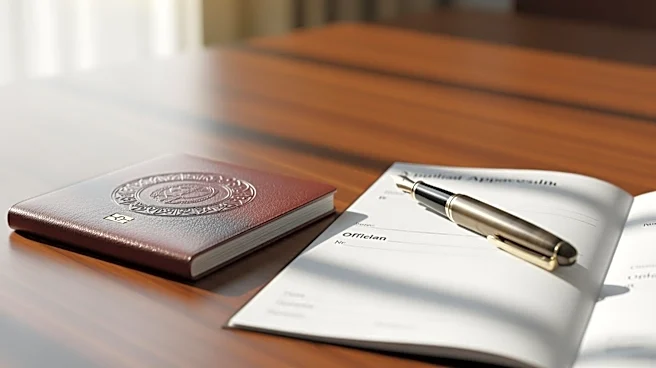
The U.S. State Department has announced a series of special passport acceptance fairs to be held throughout May, aimed at easing the application process for first-time applicants, children, and those required to apply in person. These events will be hosted
at various facilities such as post offices, libraries, and community centers across eight states, including Florida, New York, Virginia, California, Hawaii, Georgia, New Jersey, and Nevada. The fairs will offer extended hours, including evenings and weekends, to accommodate high demand and provide more opportunities for applicants to submit their paperwork outside of regular business hours. Some locations may also accept renewal applications, although this will vary by site. The initiative is designed to alleviate the difficulty some applicants face in securing appointments during standard hours.
Why It's Important?
The introduction of these special passport acceptance fairs is significant as it addresses the ongoing high demand for passports, which has made it challenging for many to secure appointments. By offering extended hours and additional locations, the State Department aims to improve accessibility and convenience for applicants, particularly those who cannot visit during regular business hours. This move could potentially reduce wait times and streamline the application process, benefiting individuals planning international travel. The initiative also highlights the government's responsiveness to public needs and its efforts to enhance service delivery in response to increased demand.
What's Next?
Applicants interested in attending these fairs are encouraged to check specific details for each location, as some may require appointments or advance registration, while others will operate on a walk-in basis. Capacity may be limited, so it is advisable for individuals to plan ahead and confirm the requirements for their chosen site. The success of these fairs could lead to similar initiatives in the future if demand remains high, potentially setting a precedent for how the State Department manages passport services during peak periods.