



What's Happening?
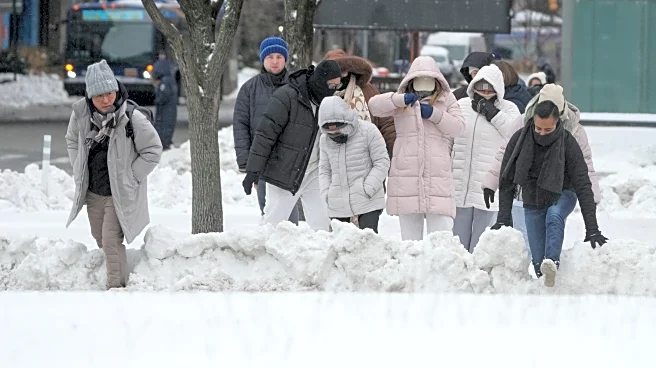
New York City Mayor Zohran Mamdani declared a state of emergency due to a powerful coastal storm expected to bring blizzard conditions, record-breaking snowfall, and dangerous coastal flooding to the tri-state area. The National Weather Service has labeled
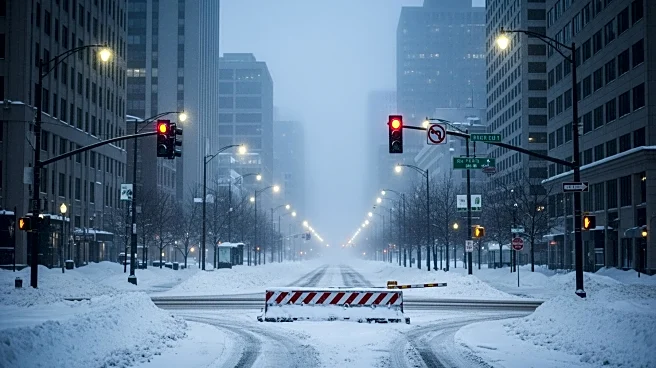
the storm as potentially historic, with snowfall totals of one to two feet expected and up to three feet in some areas. A citywide travel ban will be in effect from 9 p.m. Sunday to noon Monday, affecting all non-essential vehicular traffic. The storm is expected to cause significant disruptions, including the closure of city streets, highways, and bridges. Coastal flooding is also a concern, with a storm surge of 2.5 to 3.5 feet anticipated. The New York Fire Department and other city services are on high alert, with additional resources deployed to manage the storm's impact.
Why It's Important?
The travel ban and state of emergency highlight the severe impact of the blizzard on New York City and the surrounding areas. The storm poses significant challenges to transportation, with potential disruptions to public services and safety concerns for residents. The declaration aims to mitigate risks by restricting non-essential travel and ensuring emergency services can operate effectively. The economic impact could be substantial, affecting businesses, travel, and daily life. The storm also underscores the importance of emergency preparedness and the need for coordinated responses to extreme weather events.
What's Next?
The travel ban is set to lift at noon Monday, but lingering snow and potential coastal flooding could continue to affect the area. Residents are advised to stay informed and avoid unnecessary travel. The city will continue to monitor the situation and deploy resources as needed. Property owners are reminded to clear sidewalks once the snow stops. The storm's aftermath may lead to delays in trash and recycling collection, and a secondary system could bring additional snow later in the week.