








What's Happening?
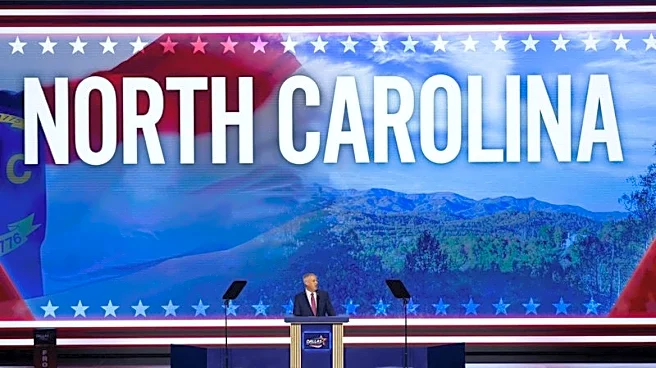
North Carolina Attorney General Jeff Jackson, alongside 16 other bipartisan attorneys general and the U.S. Department of Justice, has reached a settlement with three major egg producers: Cal-Maine, Hickman’s Family Farms, and Versova. The settlement addresses
allegations that these companies violated the Sherman Antitrust Act by colluding from 2022 to 2025 to share information and coordinate bidding. This alleged coordination manipulated a key industry benchmark, leading to artificially inflated egg prices. As a result of this settlement, approximately 50 million eggs will be distributed to food banks across the United States. In North Carolina specifically, three million eggs are being distributed statewide, with nearly 2.5 million already delivered. The Food Bank of the Albemarle in Elizabeth City recently received nearly 300,000 eggs as part of this initiative. Attorney General Jackson emphasized that the settlement holds these companies accountable and provides much-needed protein to North Carolinians.
Why It's Important?
This settlement is significant because it directly addresses anti-competitive practices that harmed consumers by artificially inflating prices for a staple food item. The manipulation of industry benchmarks by major egg producers had a ripple effect, impacting the prices paid by large buyers like grocery stores and restaurants, which ultimately translated to higher costs for consumers. The provision of 50 million eggs to food banks nationwide, including three million in North Carolina, offers immediate relief to food-insecure communities. Lean protein, such as eggs, is a highly requested item by hunger-relief networks, making this donation crucial for supporting vulnerable populations. Beyond the immediate impact, the settlement aims to restore fair market competition in the egg industry, ensuring that pricing is determined by legitimate supply and demand rather than collusive practices.
What's Next?
Following the settlement, the involved egg companies are mandated to cease their illegal coordination to manipulate price benchmarks. They must also implement compliance measures to prevent future violations and cooperate with ongoing oversight by the states. Additionally, these companies are required to designate compliance officers who will report any breaches of the settlement terms to the states and the U.S. Department of Justice. The remaining deliveries of the three million eggs to North Carolina food banks are scheduled to be completed this month. This ongoing distribution will continue to provide essential nutritional support to communities in need. The long-term impact will depend on the effectiveness of the compliance measures and the vigilance of regulatory bodies in preventing future antitrust violations within the egg industry.
Beyond the Headlines
This case highlights the broader issue of antitrust enforcement in essential goods markets and its direct impact on everyday consumers. The alleged collusion among egg producers underscores the potential for market concentration to lead to anti-competitive behavior, where a few dominant players can manipulate prices for their benefit. The settlement serves as a deterrent, signaling that regulatory bodies are actively monitoring and prosecuting such practices. Furthermore, the use of egg donations as a component of the settlement demonstrates a creative approach to restitution, directly benefiting those most affected by price gouging—low-income individuals and families who rely on food banks. This approach not only punishes corporate misconduct but also addresses the social consequences of such actions, reinforcing the idea that corporate responsibility extends beyond legal compliance to societal well-being.