



What's Happening?
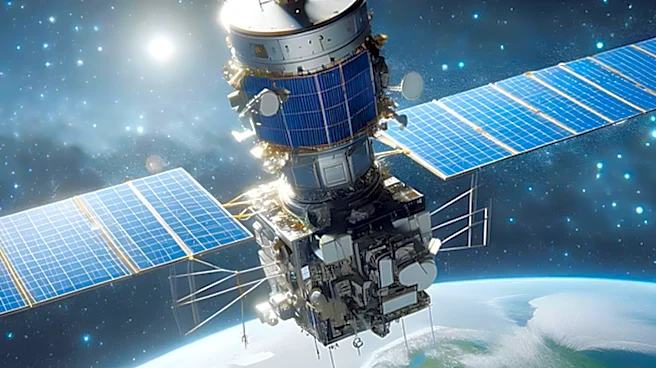
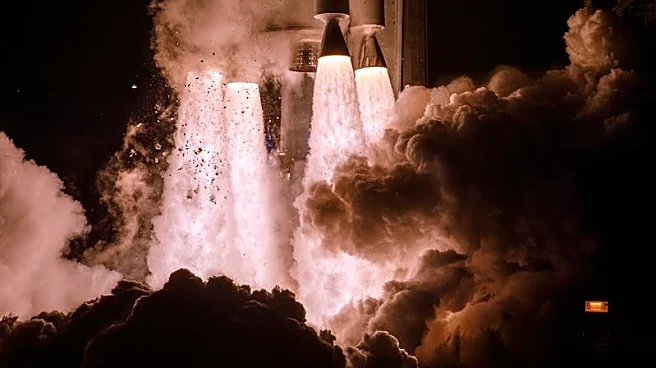
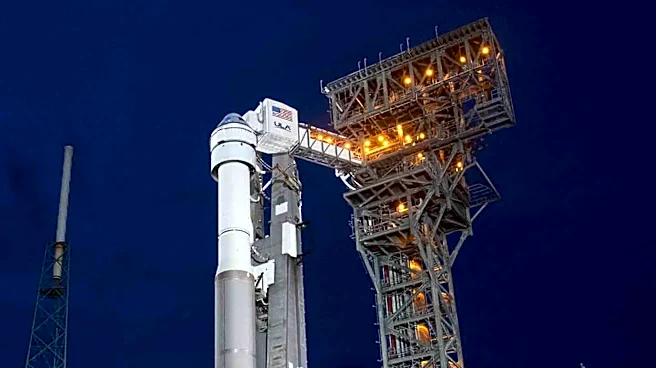
A United Launch Alliance (ULA) Vulcan rocket experienced an anomaly approximately 10 minutes into its flight on Sunday, failing to deliver 40 Amazon Leo satellites to orbit. The mission, which launched from Cape Canaveral Space Force Station in Florida
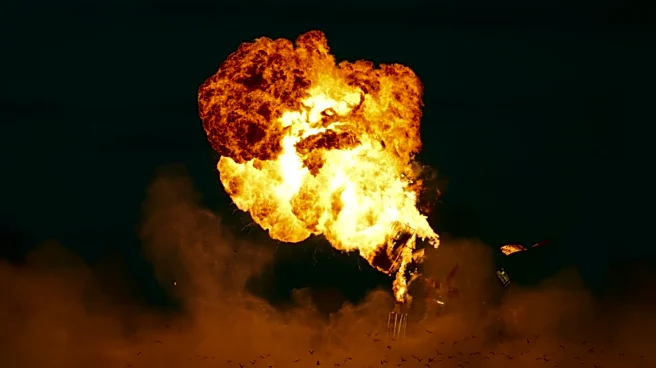
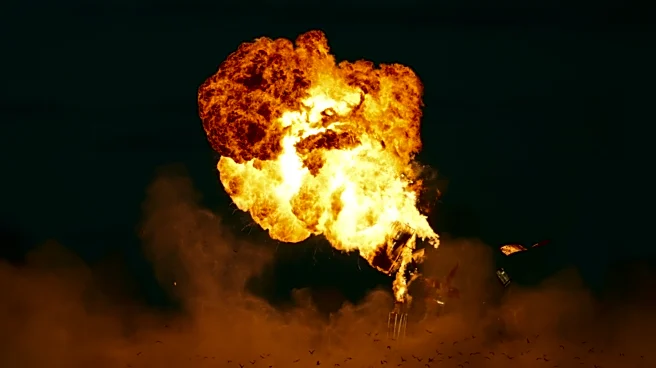
at 12:40 p.m. ET, was the Vulcan rocket's first launch for the Amazon Leo constellation and marked its return to flight after months out of service. The launch broadcast initially showed the vehicle clearing the pad and solid rocket boosters jettisoning successfully. The booster engine cut off, and the upper stage engine ignited as planned. However, ULA later confirmed the anomaly, stating that the mission did not meet its standard for success. This incident represents the first full launch failure for ULA. The Vulcan rocket had been out of service since February due to an anomaly with its solid rocket motors, though Northrop Grumman, the manufacturer of the motors, stated that the GEM 63XL boosters performed as expected in this latest launch.
Why It's Important?
This launch failure carries significant implications for both ULA and Amazon. For ULA, it's a major setback, especially as the Vulcan rocket was intended to be a 'gamechanger' and 'workhorse' for Amazon's constellation, with nearly half of Amazon's planned 1,500 satellites slated for Vulcan launches. The failure could impact ULA's reputation and future contracts, particularly after previous delays and an earlier anomaly that suspended launches for the National Security Space Launch program. For Amazon, the loss of 40 Leo satellites represents a delay in the deployment of its internet constellation, which aims to provide global broadband access. While Amazon acknowledged the inherent risks of inaugural missions and expressed continued trust in ULA, repeated failures could affect the timeline and cost-effectiveness of its satellite internet service, potentially impacting its competitive position in the burgeoning satellite internet market.
What's Next?
ULA has stated its commitment to working closely with Amazon and other relevant organizations to determine the cause of the anomaly, implement corrective actions, and return the Vulcan rocket to flight as quickly as possible. An investigation into the failure is expected to commence immediately. This process will likely involve detailed analysis of telemetry data and potentially a review of manufacturing and operational procedures. The outcome of this investigation will be crucial for ULA to regain confidence from its customers and the broader space industry. For Amazon, the immediate next steps will involve assessing the impact on its Leo constellation deployment schedule and potentially adjusting its launch plans. Future launches for Amazon's constellation, including the remaining 37 planned Vulcan missions and eight Atlas V missions, will likely be contingent on the findings and resolutions from ULA's investigation.
Beyond the Headlines
The incident highlights the inherent complexities and risks associated with space launches, even for established companies like ULA. It underscores the delicate balance between innovation, cost-efficiency, and reliability in the rapidly expanding commercial space sector. The failure could also prompt broader discussions within the industry regarding launch vehicle redundancy, insurance implications for satellite deployments, and the due diligence required for new rocket systems. For the U.S. space industry, maintaining a high success rate is vital for national security missions and commercial competitiveness. The incident serves as a reminder that despite advancements, space exploration and commercialization remain challenging endeavors where unforeseen anomalies can have significant consequences, influencing investment, technological development, and strategic partnerships.