



What's Happening?
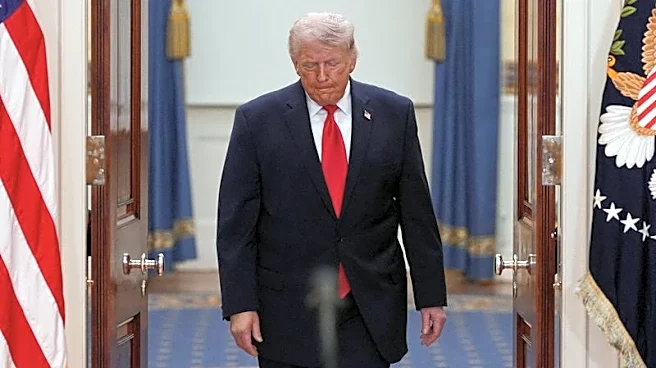
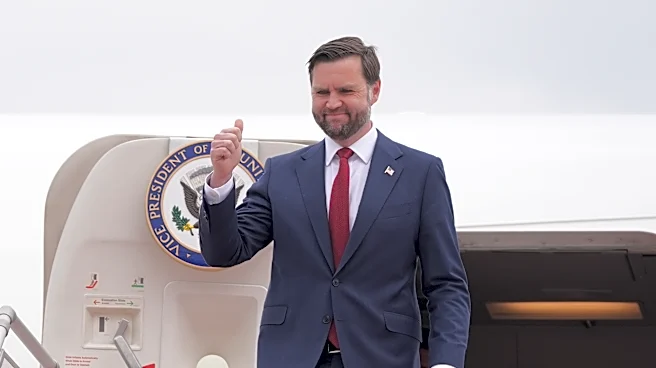
Robert Malley, former U.S. special envoy for Iran, provided insights into the recent failed negotiations between the U.S. and Iran. The talks, which took place in Islamabad, ended without a resolution, with Malley suggesting that the U.S. approach was
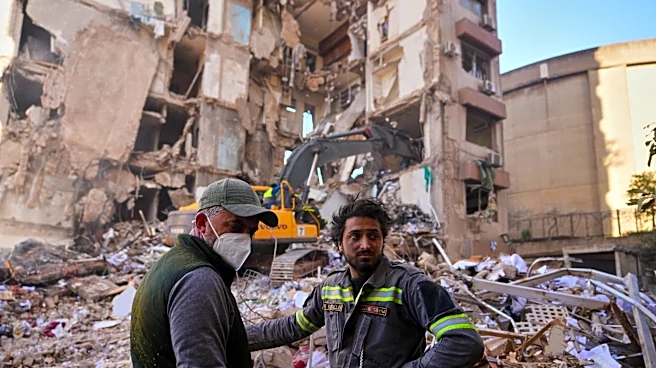
more performative than substantive. He criticized the U.S. for reiterating demands that Iran had previously rejected, such as the dismantling of enrichment facilities. Malley emphasized that the U.S. needs to offer compromises that allow Iran to save face, especially given the economic strain both countries are experiencing. The negotiations are further complicated by the ongoing conflict between Israel and Hezbollah in Lebanon, which indirectly affects U.S.-Iran relations.
Why It's Important?
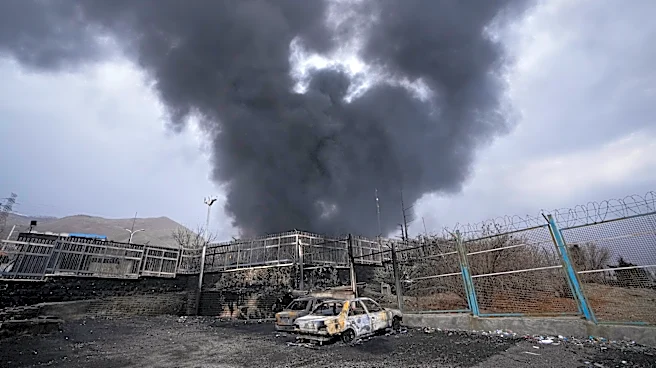
The failure of these negotiations highlights the ongoing tension between the U.S. and Iran, with significant implications for international diplomacy and regional stability. The U.S. economy could face increased inflation if the situation remains unresolved, affecting political dynamics domestically. For Iran, continued economic hardship could lead to further instability. The broader Middle East region remains volatile, with the Israel-Hezbollah conflict adding another layer of complexity. Successful negotiations could ease economic pressures and improve diplomatic relations, but the current stalemate suggests a challenging path forward.
What's Next?
Future diplomatic efforts will need to focus on finding a compromise that addresses both U.S. and Iranian interests. Malley suggests that the U.S. should approach negotiations with a willingness to offer concessions that allow Iran to maintain dignity and avoid further conflict. The upcoming talks between Israel and Lebanon could also influence U.S.-Iran relations, as regional dynamics shift. Both countries have a vested interest in resolving the conflict to prevent further economic and political fallout.
Beyond the Headlines
The ongoing U.S.-Iran tensions underscore the complexities of international diplomacy, where historical grievances and regional conflicts intersect. The situation highlights the need for nuanced negotiation strategies that consider the broader geopolitical landscape. The humanitarian impact on Lebanon, often overshadowed by larger geopolitical concerns, remains a critical issue, with long-term consequences for the region's stability and development.