






What's Happening?
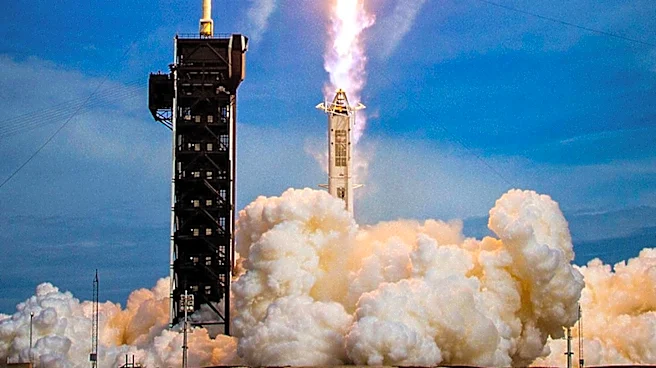
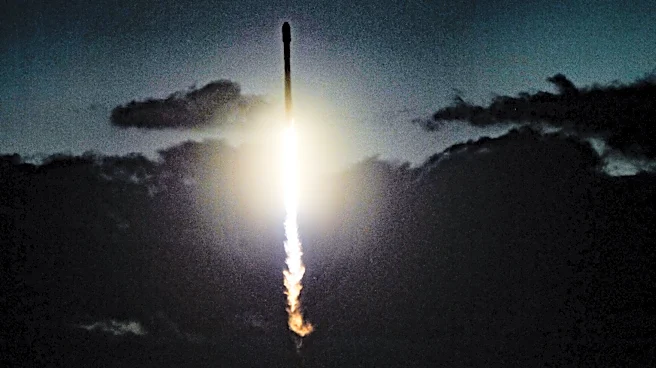
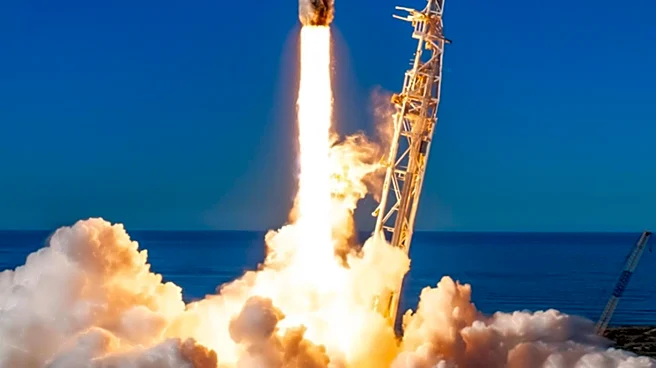
On November 6, 2026, SpaceX successfully launched a classified U.S. Space Force mission, designated USSF-432, from Vandenberg Space Force Base in California. The mission utilized a Falcon 9 rocket, with its first-stage booster (1095) completing its eighth
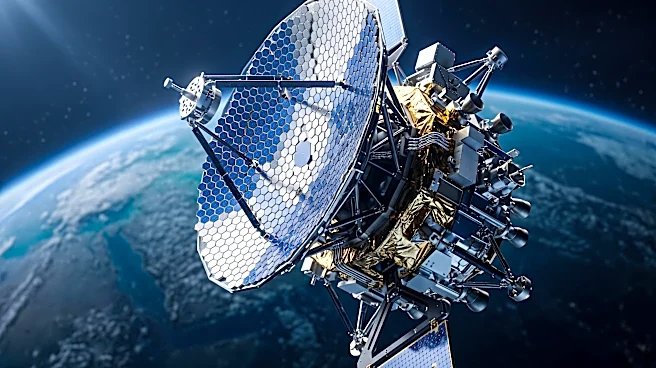
flight by landing on the autonomous droneship 'Of Course I Still Love You' in the Pacific Ocean. Unlike commercial launches, details regarding the payload, its purpose, or intended orbit were not disclosed by either SpaceX or the U.S. Space Force. SpaceX ended its public webcast approximately 10 minutes after liftoff, shortly after the booster recovery, leaving the upper stage to continue into space with its undisclosed cargo. This launch marks the 14th national-security Falcon 9 flight of 2026, highlighting the increasing reliance of U.S. defense organizations on commercial launch providers. The secrecy surrounding USSF-432 has led to speculation, particularly concerning the possibility of a new deployment of military surveillance satellites, potentially for low Earth orbit (LEO) sensing and targeting operations.
Why It's Important?
The classified nature of the USSF-432 mission underscores a growing trend in U.S. national security space operations: the strategic use of secrecy for military advantage and the increasing integration of commercial space capabilities. The lack of public information about the payload's identity and mission objectives suggests that the U.S. Space Force is developing or deploying advanced capabilities it deems critical to national security, which could include next-generation surveillance, communication, or targeting satellites. This approach allows the U.S. to maintain an edge over potential adversaries by keeping them guessing about the full extent of its space-based assets. Furthermore, the frequent use of SpaceX's Falcon 9 for these missions demonstrates the U.S. military's confidence in commercial launch reliability and cost-effectiveness, shifting away from exclusive reliance on government-operated launch systems. This integration could accelerate the deployment of new military space technologies, enhancing U.S. defense posture and intelligence gathering capabilities in an increasingly contested space domain.
What's Next?
While immediate details about the USSF-432 mission remain classified, observers will likely continue to monitor public satellite catalogs for any new entries that could correspond to the launch. The U.S. Space Force typically catalogs its operational satellites, and the emergence of new, unidentified objects in specific orbital parameters could provide indirect clues about the mission's success and purpose. The ongoing series of classified launches indicates a sustained effort by the U.S. to bolster its space-based defense infrastructure. Future developments may include further classified missions, potentially utilizing similar flight profiles, as the Space Force continues to expand its capabilities. The reliance on commercial partners like SpaceX is expected to continue, potentially leading to more frequent and cost-efficient deployments of advanced military payloads. The broader implication is a continued arms race in space, where nations strive for technological superiority through advanced satellite networks, making future classified launches a recurring feature of the U.S. space agenda.
Beyond the Headlines
The USSF-432 mission highlights a broader strategic shift in military space operations towards distributed satellite architectures, moving away from a few large, vulnerable satellites to numerous smaller, more resilient ones. If the speculation about LEO satellites for sensing and targeting proves true, it signifies a move towards a more robust and responsive space-based intelligence, surveillance, and reconnaissance (ISR) network. This distributed approach enhances resilience against anti-satellite threats, as the loss of a single satellite would have less impact on overall system functionality. Ethically, the increasing secrecy around military space assets raises questions about transparency and the potential for miscalculation in an already complex domain. The dual-use nature of many space technologies—serving both civilian and military purposes—further complicates international efforts to establish norms and prevent weaponization of space. The long-term implications include a potential acceleration of space militarization, with nations investing heavily in offensive and defensive space capabilities, thereby increasing the risk of conflict in orbit.