
What's Happening?
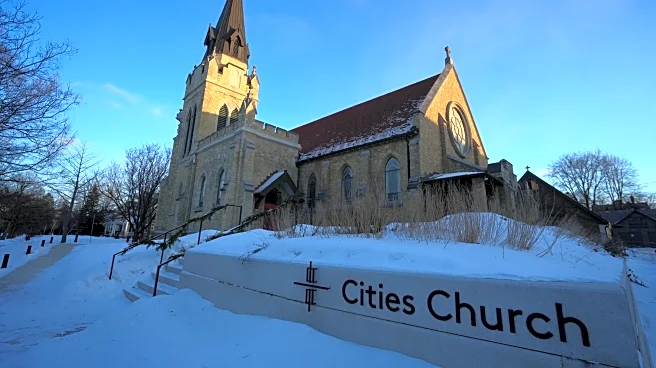
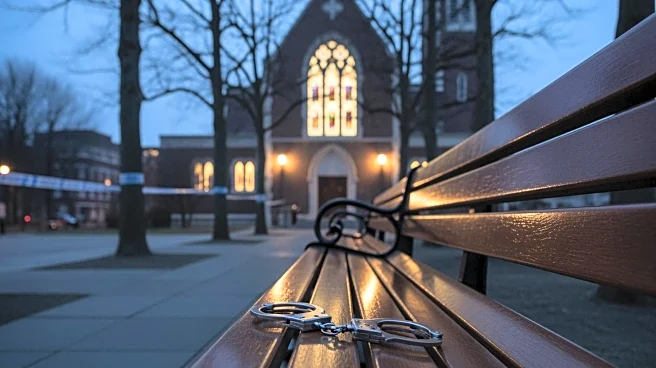
Attorney General Pam Bondi announced the arrest of two individuals, Ian Davis Austin and Jerome Deangelo Richardson, in connection with a protest at The Cities Church in St. Paul, Minnesota. This protest,
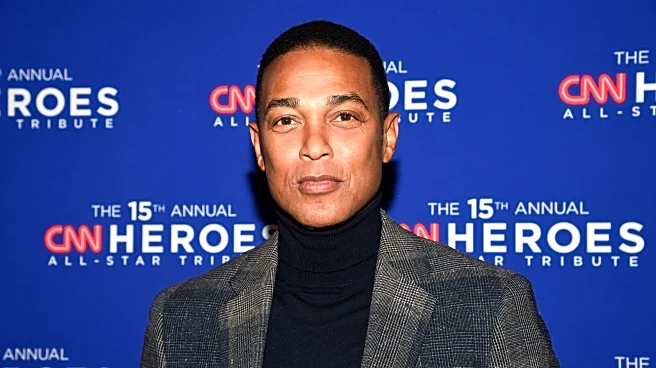
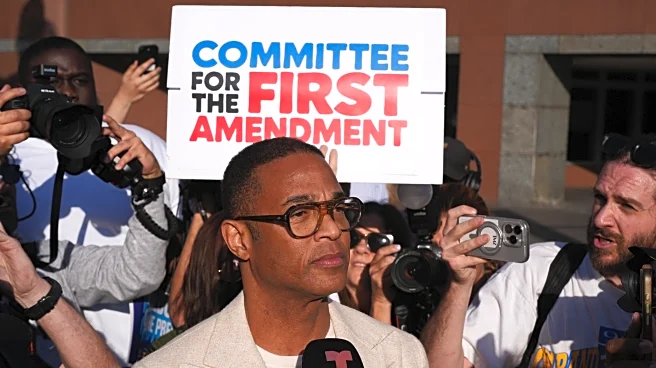
which took place on January 18, was directed at the church's pastor, who is alleged to work for Immigration and Customs Enforcement (ICE). The Department of Homeland Security described the protest as a coordinated attack on the church. Among those indicted by a federal grand jury were journalists Don Lemon, a former CNN anchor, and Georgia Fort. The indictment charges the defendants with conspiracy against the rights of religious freedom and interfering with the exercise of religious rights at a place of worship. Lemon was arrested but later released by a federal magistrate who found the administration lacked probable cause for the arrests under the federal statute cited.
Why It's Important?
The arrests, particularly of high-profile journalist Don Lemon, have sparked significant controversy and added to the ongoing debate over the Trump administration's immigration policies. The incident highlights tensions between law enforcement and media coverage of protests, raising concerns about press freedom and the use of legal statutes in protest contexts. The case also underscores the broader societal and political divisions regarding immigration enforcement and religious freedom, with potential implications for how similar protests might be handled in the future. The legal proceedings could set precedents for the application of federal laws in protest situations, especially those involving places of worship.
What's Next?
The legal proceedings following these arrests are likely to draw significant public and media attention, particularly regarding the charges of conspiracy against religious freedom. The outcomes could influence future legal strategies and law enforcement approaches to protests, especially those involving high-profile figures or sensitive locations like places of worship. Stakeholders, including civil rights organizations and media advocacy groups, may increase their scrutiny of the case, potentially leading to broader discussions about the balance between security measures and civil liberties. The administration's handling of this case could also impact public perception and policy discussions related to immigration and religious rights.