







What's Happening?
President Trump has extended the deadline for imposing new tariffs on Canada, indicating that the two nations are close to reaching a trade agreement. This decision temporarily averts a fresh wave of tariffs that could have significantly impacted both
economies. The U.S. Chamber of Commerce had actively advocated for a deal, emphasizing that increased tariffs would harm both countries, raise costs for American families, disrupt critical supply chains, and jeopardize the 13 million American jobs reliant on trade under the US-Mexico-Canada Trade Agreement (USMCA). The extension suggests ongoing negotiations are progressing towards a resolution, aiming to prevent economic repercussions that could arise from a trade dispute between the two close allies.
Why It's Important?
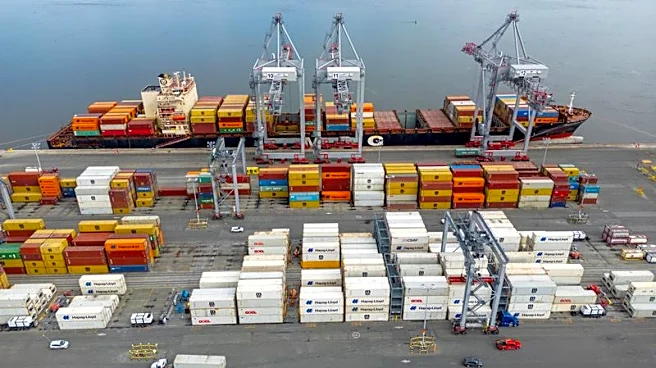
The potential imposition of new tariffs on Canada carried significant economic implications for the United States. The U.S. Chamber of Commerce highlighted that such tariffs would not only damage both the U.S. and Canadian economies but also directly affect American consumers through increased costs. Furthermore, they warned of disruptions to critical supply chains, which are vital for various U.S. industries, and a risk to the 13 million American jobs supported by the USMCA. A trade war with Canada, a major trading partner, could have led to higher prices for goods, reduced consumer spending, and instability in sectors heavily dependent on cross-border trade, such as automotive, agriculture, and manufacturing. The extension of the deadline provides a window for negotiators to finalize an agreement, thereby safeguarding these economic interests and preventing potential job losses and market volatility.
What's Next?
The immediate next step involves continued negotiations between the U.S. and Canada to finalize a trade deal. The extension of the tariff deadline suggests a commitment from both sides to reach an agreement, likely focusing on key areas of contention that have prevented a resolution thus far. Stakeholders, including the U.S. Chamber of Commerce and various industry groups, will closely monitor these discussions, hoping for a comprehensive agreement that maintains stable trade relations and protects the economic benefits derived from the USMCA. The outcome of these negotiations will determine the future of trade policies between the two countries and could set a precedent for how the U.S. approaches trade disputes with other partners.
Beyond the Headlines
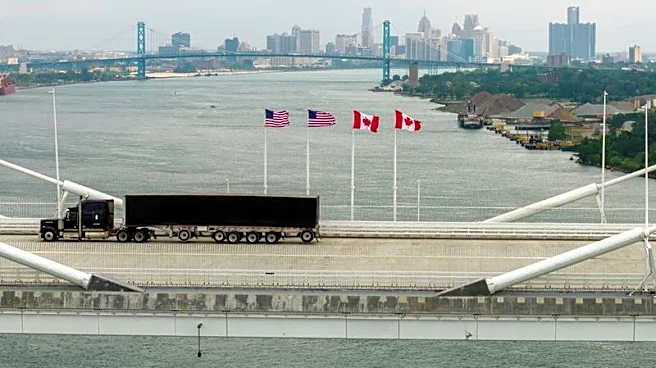
Beyond the immediate economic concerns, the ongoing trade discussions with Canada highlight the broader complexities of international trade relations and the impact of protectionist policies. The threat of tariffs, even when used as a negotiating tactic, can create uncertainty for businesses and consumers, influencing investment decisions and long-term economic planning. This situation also underscores the interconnectedness of the North American economy, where disruptions in one country can quickly ripple across borders. The emphasis on protecting American jobs and supply chains reflects a growing national focus on economic security and resilience, which could shape future trade agreements and domestic policy decisions. The resolution of this trade issue will not only impact bilateral relations but also contribute to the global perception of U.S. trade policy.