






What's Happening?
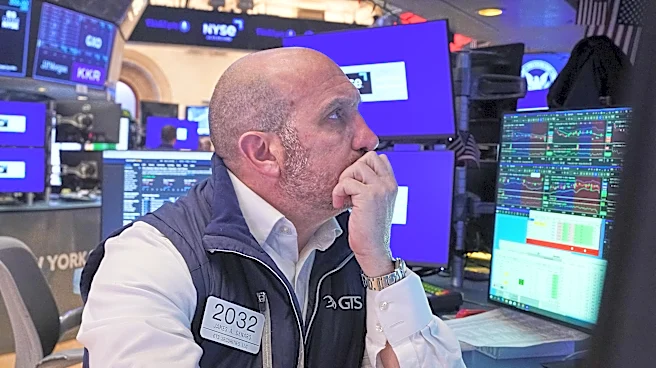
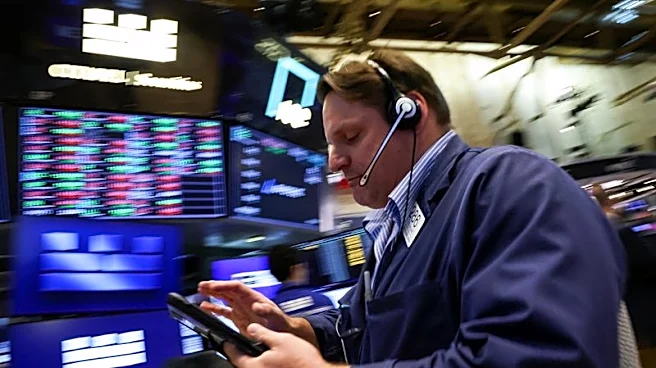
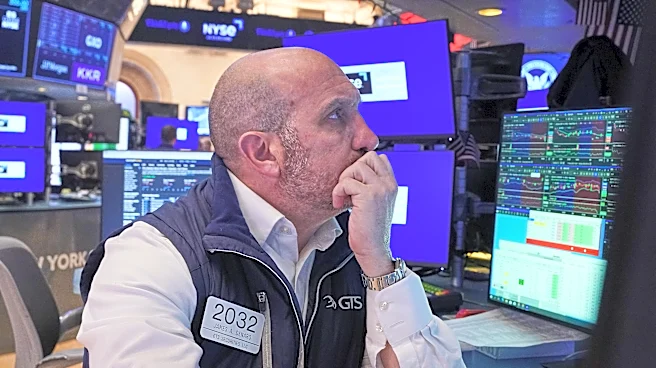
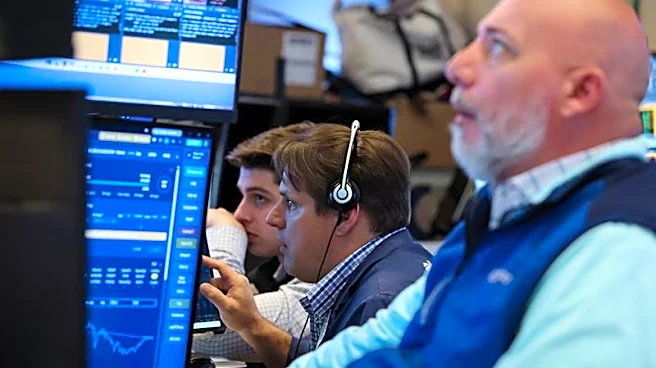
Wall Street's main indexes are set to open higher following President Trump's decision to extend the ceasefire with Iran. This move, requested by Pakistani mediators, aims to ease tensions despite ongoing uncertainties about Iran and Israel's commitment
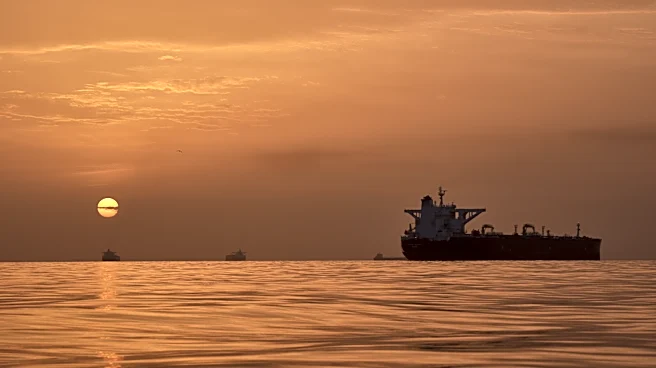
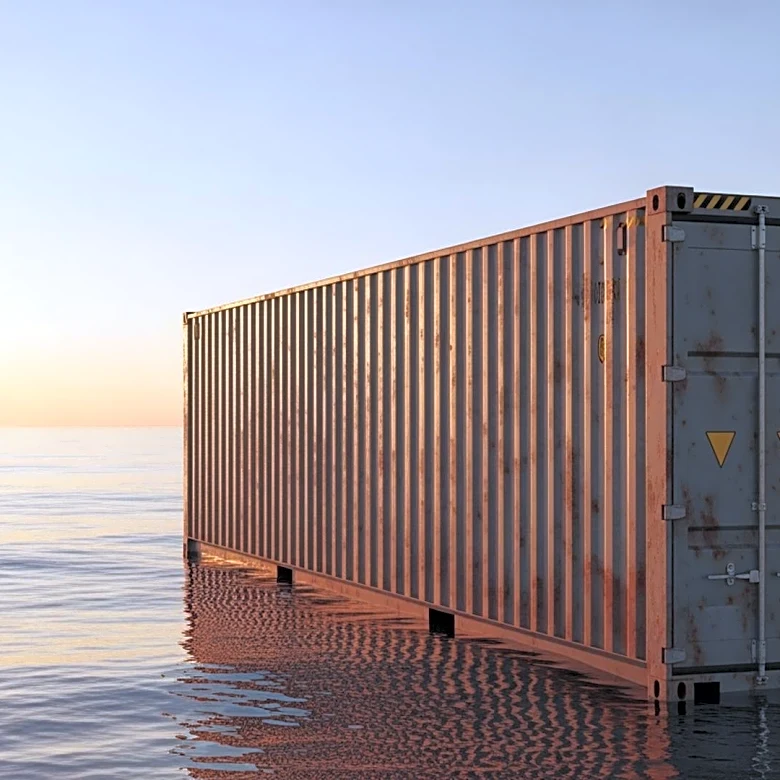
to the truce. The U.S. Navy's blockade of Iranian ports remains, and Iran has seized two ships in the Strait of Hormuz, a critical oil shipping route. The market's positive response reflects investor optimism that the conflict will be resolved through negotiations rather than military action. As of 8:31 a.m. ET, Dow E-minis rose 326 points, S&P 500 E-minis gained 48.25 points, and Nasdaq 100 E-minis advanced 229.25 points. However, risks of inflation persist with oil prices nearing $100 per barrel.
Why It's Important?
The extension of the ceasefire is significant for global markets, particularly the U.S., as it reduces immediate geopolitical risks that could disrupt economic stability. The positive market reaction underscores investor confidence in diplomatic resolutions over military confrontations, which can have severe economic repercussions. The ongoing tensions in the Strait of Hormuz, a vital oil passage, highlight the potential for oil price volatility, impacting inflation and consumer costs. The situation also affects U.S. foreign policy and its relations with Middle Eastern allies, influencing broader geopolitical dynamics.
What's Next?
The continuation of the ceasefire will likely lead to further diplomatic engagements aimed at a more permanent resolution. However, the situation remains fragile, with potential for escalation if the truce is violated. Investors and policymakers will closely monitor developments, particularly any changes in oil prices or military actions. The U.S. administration may face pressure to balance diplomatic efforts with maintaining strategic military positions in the region.