




What's Happening?
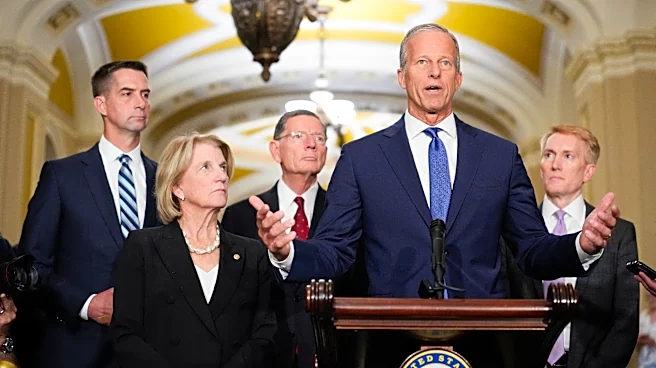
U.S. Representative Mike Lawler (R-N.Y.) and U.S. Representative Josh Gottheimer (D-N.J.) have introduced new federal legislation aimed at expanding organ donation and improving access to life-saving transplant opportunities. The announcement was made
at the Westchester Medical Center Health Network (WMCHealth). This bipartisan bill, known as the Lauren Shields Organ Donation Act, honors the legacy of Lauren Shields, a pediatric heart transplant patient and advocate who passed away earlier this year at age 26. Shields' previous advocacy led to New York State's 2012 'Lauren's Law,' which mandated that the organ donation designation question be asked at Department of Motor Vehicles (DMV) offices. The new federal legislation seeks to expand this initiative by applying similar organ donor designation questions to federal documents, such as passport applications and tax forms, thereby creating millions of new opportunities for Americans to consider becoming organ donors. The initiative is a direct response to the thousands of Americans currently awaiting life-saving transplants.
Why It's Important?
This legislation is significant because it addresses a critical public health need by aiming to increase the number of available organs for transplantation across the United States. Thousands of Americans are on transplant waiting lists, and expanding opportunities for donor registration could directly save lives. By integrating organ donor questions into federal documents, the bill leverages existing administrative processes to reach a broader segment of the population, potentially overcoming barriers to registration that currently exist. The bipartisan nature of the bill, with support from both Republican Representative Lawler and Democratic Representative Gottheimer, underscores the widespread recognition of the issue's importance and the potential for collaborative solutions in Congress. This effort could set a precedent for how federal agencies can be utilized to promote public health initiatives, impacting healthcare systems and individual patients nationwide.
What's Next?
The proposed legislation will now proceed through the federal legislative process, requiring consideration and votes in both the House of Representatives and the Senate. If passed, federal agencies responsible for passport applications and tax forms will need to implement the necessary changes to include organ donor designation questions. This implementation would likely involve public awareness campaigns to inform citizens about the new option and the importance of organ donation. Major stakeholders, including organ procurement organizations, transplant centers, and patient advocacy groups, will likely monitor the bill's progress and support its passage. The success of this federal expansion could also inspire further state-level initiatives or broader public health campaigns aimed at increasing organ donor registration rates.
Beyond the Headlines
Beyond its immediate impact on organ donation rates, this legislation highlights the power of individual advocacy in shaping public policy. Lauren Shields' story, from a pediatric patient to an influential advocate, demonstrates how personal experiences can drive significant legislative change. The bipartisan support for the bill also reflects a growing trend of collaboration on issues with clear humanitarian benefits, even in a politically divided climate. Ethically, the legislation promotes informed consent and individual choice regarding organ donation, making it easier for citizens to express their wishes. Culturally, it could contribute to a broader societal shift towards greater awareness and acceptance of organ donation as a life-saving act, potentially reducing the stigma or lack of information that sometimes hinders registration.