



What's Happening?
Petras Auštrevičius, a Member of the European Parliament, has supported the efforts of 'Wings for Europe,' a Luxembourg-based volunteer organization, in expanding its production of drone interceptors for Ukraine. The organization is introducing a new
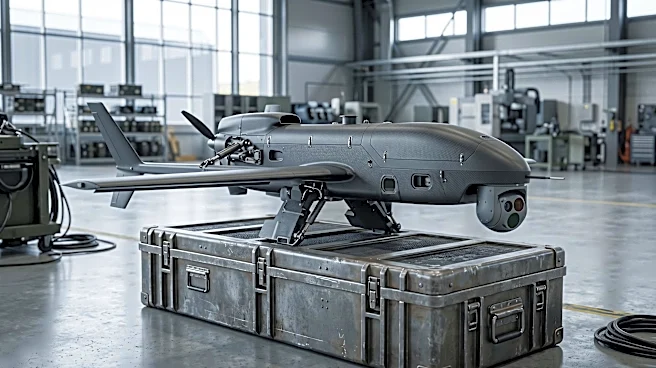
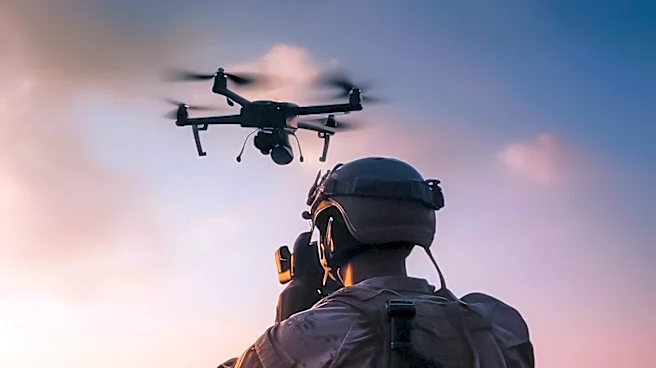
type of drone, the 'Guardian,' designed to counter Russian unmanned aerial vehicles. This initiative comes as Ukrainian forces face evolving aerial threats, prompting volunteers and engineers across Europe to develop new ways to protect Ukrainian cities and infrastructure. 'Wings for Europe,' founded in 2023, has grown into an international volunteer network that assembles and delivers drones to Ukrainian defenders. The 'Guardian' interceptor was designed by Teufel, a 27-year-old German engineering student volunteering with the organization, following a request from Ukraine's 25th Airborne Brigade. The first successful interception with the 'Guardian' reportedly occurred in December 2025. The organization has assembled approximately 1,000 drones and currently sends around 100 per month to Ukraine, with over 250 trained volunteers across Europe.
Why It's Important?
The support from European Parliament members like Petras Auštrevičius highlights the growing international recognition and backing for grassroots initiatives aimed at aiding Ukraine's defense. The development and deployment of specialized drone interceptors like the 'Guardian' signify an adaptive response to the evolving nature of modern warfare, particularly in countering aerial threats. This effort underscores the critical role of technological innovation and volunteer networks in supplementing traditional military capabilities. The organization's reliance on private donations and its efforts to increase the use of European-made parts also point to a broader trend of localized and collaborative defense support. The involvement of MEPs in transporting drones to Ukraine further emphasizes the political will within parts of Europe to directly assist Ukraine's defense, potentially influencing future policy decisions regarding military aid and technological cooperation.
What's Next?
Wings for Europe aims to scale up the production of the 'Guardian' interceptor, though securing sufficient funding for components remains a significant challenge. The organization is also preparing to present its work at the NSPA Autonomy and AI Summit 2026, scheduled for Tuesday, November 24, at the European Convention Center Luxembourg (ECCL). As a member of the Luxembourg Drone Federation, Wings for Europe has been invited to showcase its activities and discuss the challenges of expanding volunteer-led drone production. This presentation could attract further funding, partnerships, and volunteers, potentially accelerating the deployment of these interceptors. Continued support from European Parliament members and other political figures will be crucial for the organization's sustained growth and impact.
Beyond the Headlines
The 'Wings for Europe' initiative, supported by figures like Petras Auštrevičius, reflects a deeper societal engagement in geopolitical conflicts, moving beyond traditional state-centric responses. The personal motivation of volunteers, such as Teufel, who lost contact with Ukrainian friends after they volunteered for defense, illustrates the human element driving these efforts. This blend of technological innovation, volunteerism, and political support creates a complex ecosystem of defense that challenges conventional notions of military aid. The emphasis on sourcing European-made parts also hints at a broader strategic goal of strengthening European industrial autonomy in defense technology. The success and expansion of such initiatives could set a precedent for future responses to international crises, highlighting the potential for non-state actors and cross-border civilian cooperation to significantly impact global security.