






What's Happening?
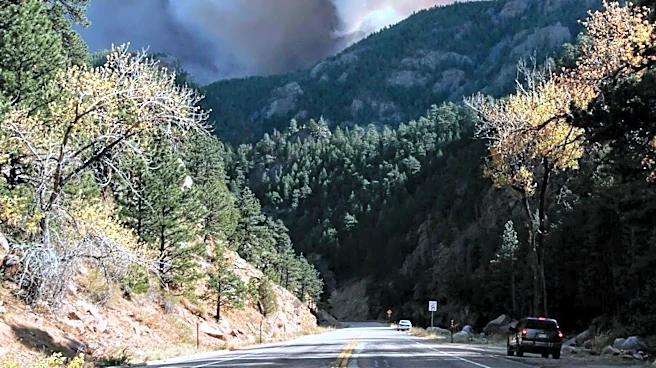
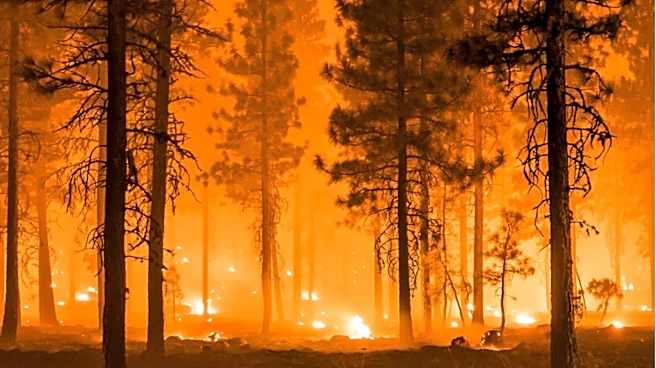
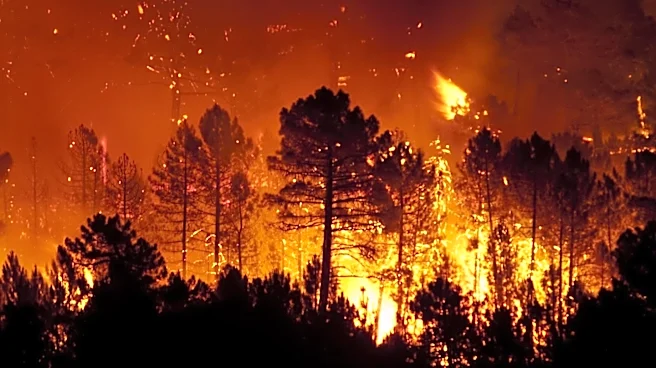
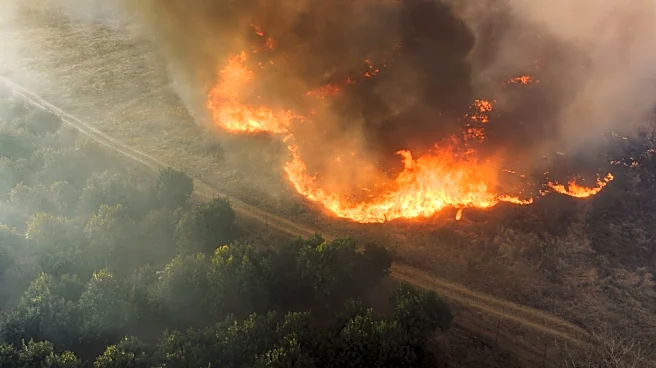
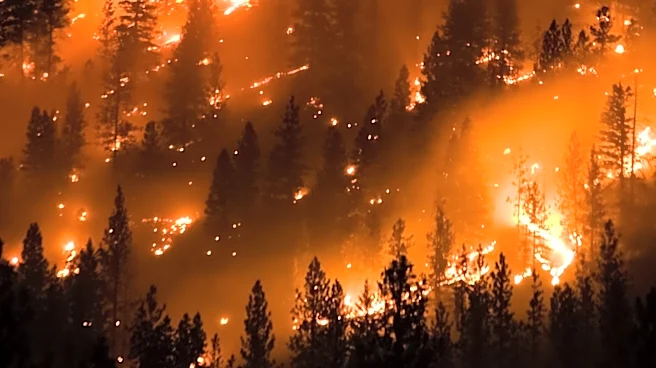
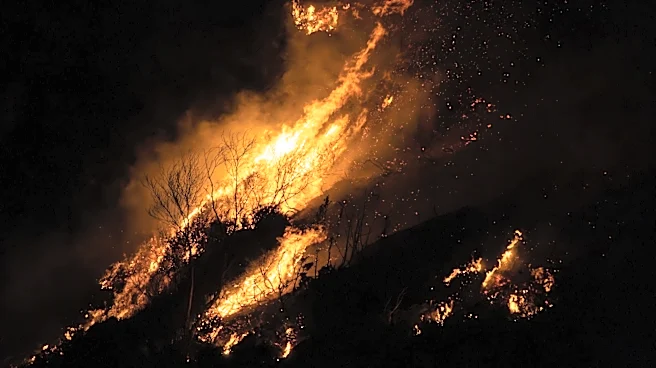
Wildfire smoke from Canada is affecting large areas of the Midwest and Northeast U.S., exposing millions to hazardous air pollution. The smoke has led to decreased air quality across the Northeast, with conditions expected to worsen as the smoke moves
eastward. Minnesota has issued an air quality alert, with very heavy smoke anticipated in the state's northeastern regions. Michigan and Wisconsin have also warned residents about prolonged air quality issues. New York City and other parts of New York are under air quality advisories, with the city ranked among the most polluted globally due to the smoke.
Why It's Important?
The widespread impact of the wildfire smoke highlights the significant public health risks associated with air pollution, particularly for vulnerable populations. The situation underscores the need for effective air quality management and emergency response strategies to protect public health. It also draws attention to the broader implications of climate change, as rising temperatures and dry conditions contribute to the frequency and intensity of wildfires. The event serves as a reminder of the interconnected nature of environmental challenges and the importance of cross-border cooperation in addressing them.
What's Next?
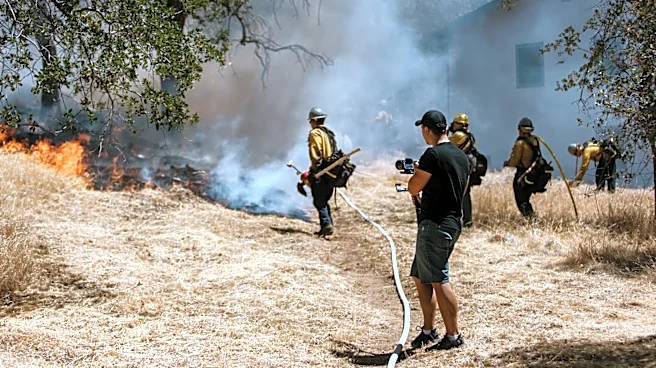
As the smoke continues to affect air quality, authorities are likely to extend air quality alerts and advisories, urging residents to minimize outdoor exposure and take protective measures. The situation may prompt further discussions on climate change mitigation and adaptation strategies, as well as the need for improved wildfire management practices. Public health officials will continue to monitor air quality levels and provide guidance to mitigate health risks. The ongoing impact of the smoke may also influence policy discussions on environmental protection and climate resilience.