





What's Happening?
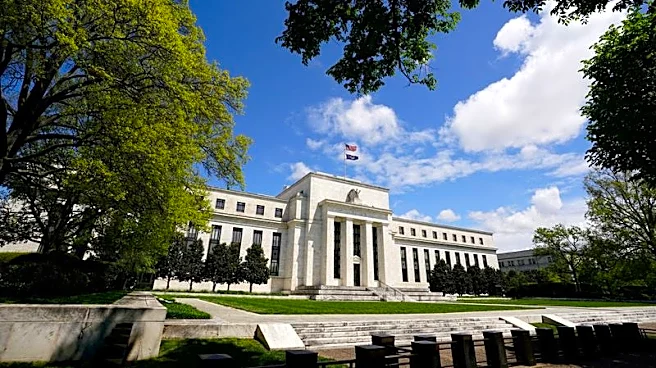
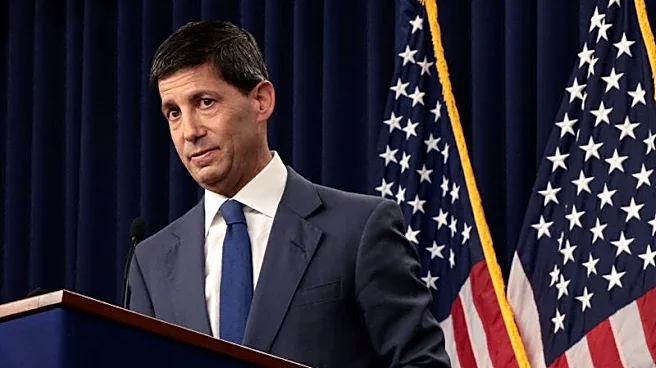
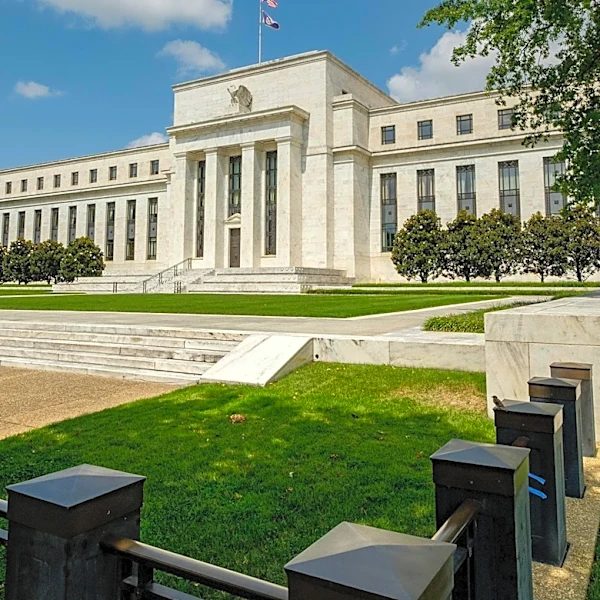
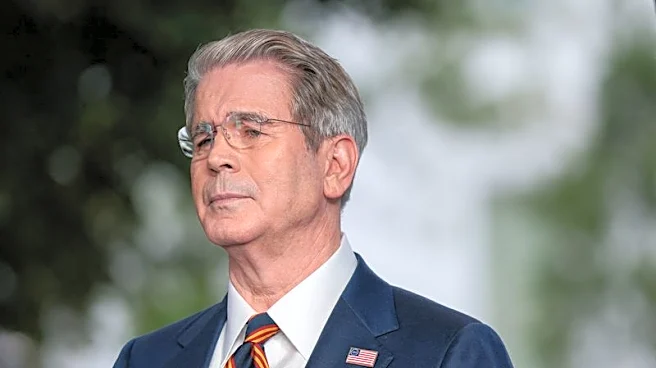
President Trump expressed frustration with the Federal Reserve's interest rate policy, arguing that solid economic data should not prevent the central bank from adopting an easier policy stance. He accused Fed officials, excluding Chairman Kevin Warsh,
of having political motives in their decisions. President Trump stated that Warsh, whom he nominated earlier this year, is doing a 'great job,' but that the 'political board' with members appointed by previous administrations is voting to raise interest rates. The Fed has not voted to raise its benchmark interest rate in over three years, having cut rates three times in 2025 and three times in the prior year. However, President Trump believes the pace of reductions has been insufficient, advocating for lower rates to stimulate economic growth and reduce the burden of the nation's nearly $40 trillion debt. His comments coincided with the release of minutes from the July Federal Open Market Committee (FOMC) meeting, which indicated that 'many' officials expected higher rates might be necessary unless inflation showed more progress, despite generally positive inflation data since then.
Why It's Important?
President Trump's public criticism of the Federal Reserve's interest rate policy is significant because it highlights ongoing tensions between political leadership and the central bank's independence. Such interventions can undermine public confidence in the Fed's autonomy and its ability to make decisions based solely on economic data, free from political pressure. The President's argument that good economic numbers should lead to lower interest rates contradicts conventional economic theory, which often suggests that a strong economy might warrant higher rates to prevent overheating and inflation. His concern about the national debt's financing burden underscores the fiscal challenges facing the US, where rising interest rates increase the cost of servicing the nearly $40 trillion debt. This dynamic creates a complex interplay between monetary policy, fiscal policy, and political objectives, potentially leading to uncertainty in financial markets and impacting investment decisions. The differing views on the necessity of rate cuts also reflect a broader debate about the appropriate role of monetary policy in managing economic growth and inflation.
What's Next?
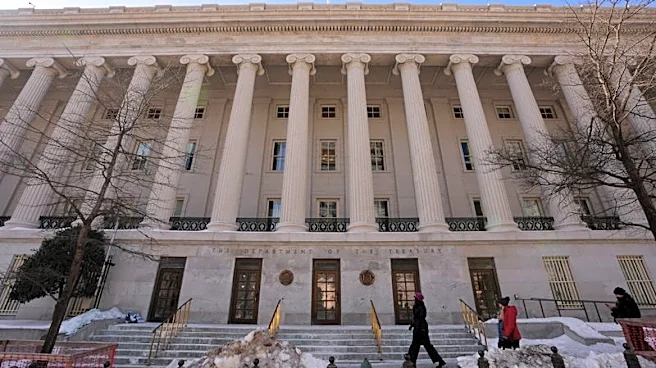
The Federal Reserve will likely continue to navigate the delicate balance between managing inflation and supporting economic growth, while also contending with political pressure. The FOMC's future decisions on interest rates will be closely watched, particularly in light of President Trump's comments and the ongoing debate about the economy's trajectory. The minutes from subsequent FOMC meetings will provide further insight into the internal discussions and consensus among Fed officials. President Trump may continue to voice his opinions on monetary policy, potentially influencing public perception and market expectations. The Treasury Department's recent expansion of its bond buyback program, aimed at longer-maturity debt, could also be a factor in managing interest rates and the national debt. The interplay between presidential rhetoric, Fed policy, and market reactions will be a key area of focus for economists, investors, and policymakers in the coming months.
Beyond the Headlines
The deeper implications of President Trump's remarks extend to the fundamental principles of central bank independence, a cornerstone of modern economic governance. Undermining this independence can have long-term consequences for economic stability, as it can lead to policies driven by short-term political gains rather than sound economic principles. This situation also highlights the challenge of communicating complex economic policies to the public, especially when political figures offer simplified or alternative interpretations. The President's comparison of US interest rates to those in countries like Switzerland, which faces different economic conditions, underscores the complexity of global economic comparisons and the need for nuanced policy approaches. Ultimately, this ongoing tension could lead to a re-evaluation of the relationship between the executive branch and the Federal Reserve, potentially sparking debates about the Fed's mandate, accountability, and its role in a highly politicized economic landscape.