






What's Happening?
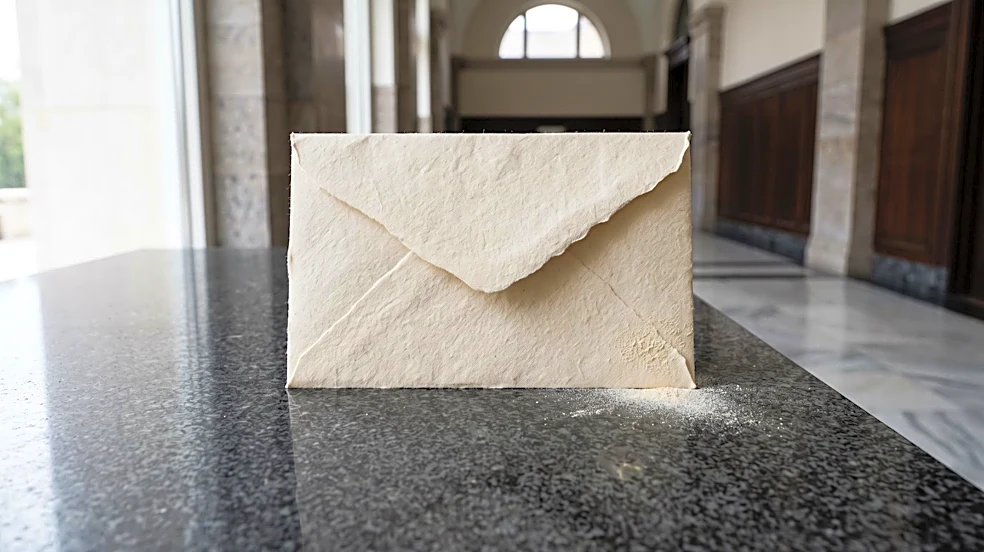
A second suspicious envelope was received at the Skokie office of Rep. Jan Schakowsky (D-IL) on Wednesday morning, leading to a response from a hazmat team and the FBI. A spokesperson for the Evanston Democratic Congresswoman confirmed the incident, noting
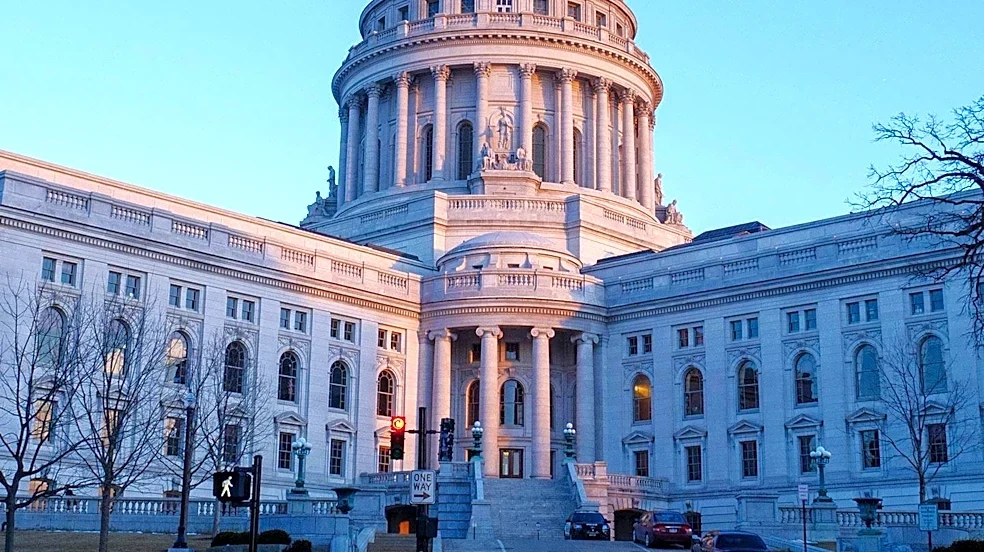
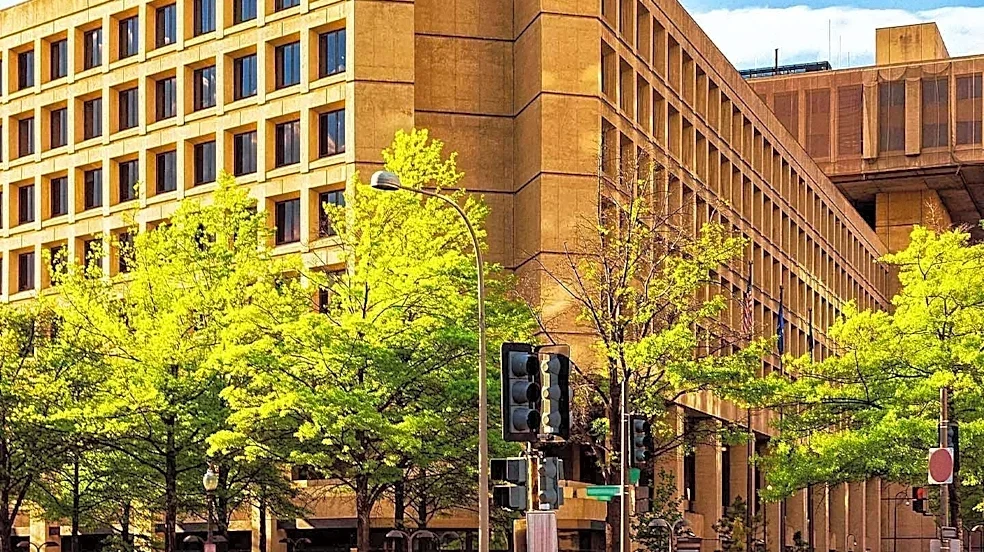
that the envelope contained a 'rattling' sound, which raised suspicion. Office staff contacted Skokie police as a precautionary measure, though they observed that this envelope appeared different from one received last week. The previous week, Schakowsky's office, along with several other Democratic members of Illinois' Congressional delegation including Reps. Delia Ramirez, Mike Quigley, Brad Schneider, and Robin Kelly, reported receiving similar suspicious envelopes. These incidents are part of a broader pattern of suspicious mail sent to Democratic offices across the country. Skokie police and fire departments, along with the FBI and a hazmat team, responded to the scene, and U.S. Capitol Police were also informed.
Why It's Important?
The repeated targeting of congressional offices with suspicious mail, particularly those containing unknown substances or making threats, poses a significant security concern for elected officials and their staff. Such incidents can disrupt official duties, create an atmosphere of fear, and necessitate costly emergency responses involving law enforcement and hazardous materials teams. This pattern of threats against Democratic members of Congress, as reported across Illinois and the nation, highlights potential vulnerabilities in mail screening processes and raises questions about the motivations behind these actions. It underscores the challenges faced by public servants in maintaining security while remaining accessible to their constituents. The involvement of federal agencies like the FBI and U.S. Capitol Police indicates the seriousness with which these threats are being treated, reflecting a broader concern for the safety of government officials and the integrity of democratic processes.
What's Next?
Federal authorities, including the FBI and U.S. Capitol Police, are actively investigating the suspicious letters sent to Rep. Jan Schakowsky's office and other congressional members. This investigation will likely involve forensic analysis of the envelopes and their contents to identify the substances, determine their origin, and potentially identify the perpetrators. Security protocols for handling mail at congressional offices may be reviewed and enhanced to prevent future incidents and ensure the safety of staff. Law enforcement will aim to ascertain if these incidents are coordinated or isolated acts. The ongoing nature of these threats could lead to increased vigilance and security measures across government facilities. Public statements from law enforcement or congressional leaders may follow as more information becomes available, potentially offering guidance or reassurance to other offices that might be targeted.