



What's Happening?
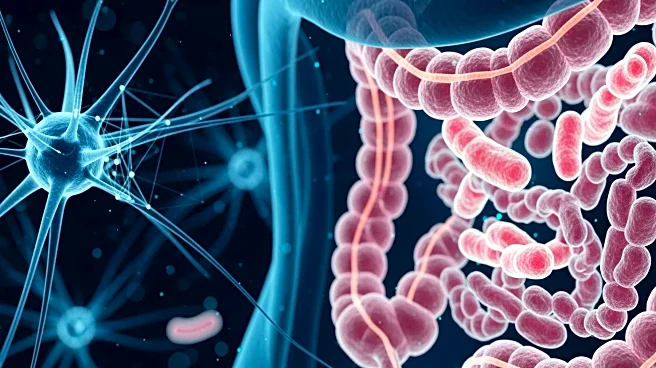
Researchers from Case Western Reserve University have published a study in Cell Reports identifying a connection between gut bacteria and neurodegenerative diseases such as Amyotrophic Lateral Sclerosis (ALS) and Frontotemporal Dementia (FTD). The study found
that harmful gut bacteria produce inflammatory glycogen, which triggers immune responses damaging to the brain. This discovery provides a potential mechanism for therapeutic intervention. The study highlights the role of the gut-brain axis in neurodegeneration, with findings showing that 70% of ALS/FTD patients had high levels of harmful glycogen, compared to only one-third of those without the diseases.
Why It's Important?
This research is crucial as it opens new avenues for treating ALS and FTD by targeting the gut microbiome. Identifying bacterial sugars as a trigger for neurodegenerative immune responses offers a novel approach to developing therapies that could mitigate or prevent these diseases. The study's implications extend to improving patient care by providing biomarkers for identifying individuals who might benefit from gut-targeted treatments. This could lead to significant advancements in managing ALS and FTD, potentially improving patient outcomes and extending lifespans.
What's Next?
The research team plans to conduct larger studies to further explore the gut microbiome's role in ALS and FTD. They aim to understand the timing and reasons for harmful glycogen production in patients. Clinical trials to test whether degrading glycogen in ALS/FTD patients can slow disease progression are anticipated to begin within a year. These efforts could lead to groundbreaking treatments that address the root causes of these neurodegenerative diseases.