

What's Happening?
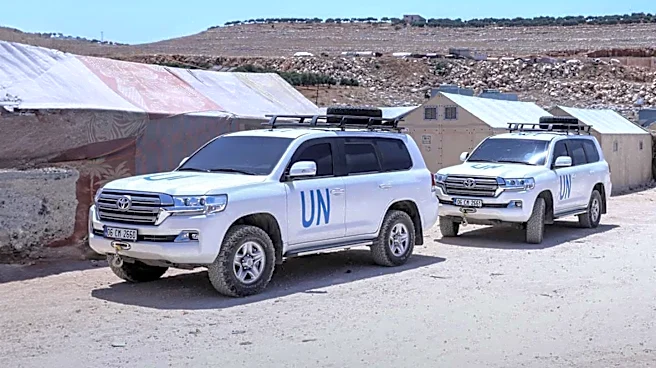
South Sudan is currently hosting 661,529 refugees and asylum-seekers across 31 locations nationwide, according to a statement released by the United Nations High Commissioner for Refugees (UNHCR). This total comprises 657,479 registered refugees and 4,050
asylum-seekers. The vast majority of these individuals, 95 percent, are from Sudan, with 2 percent from the Democratic Republic of the Congo, and the remainder from Ethiopia, Eritrea, the Central African Republic, and other nationalities. The government of South Sudan continues to grant prima facie refugee status to those fleeing the ongoing conflict in Sudan. Among the refugee population, females aged 0-59 constitute 49 percent, and women and children together account for 75 percent. The asylum-seeker population is primarily composed of nationals from Eritrea and Ethiopia, each representing 38 percent, followed by Burundians at 11 percent, and other nationalities.
Why It's Important?
This significant influx of refugees and asylum-seekers places immense pressure on South Sudan's already strained resources and infrastructure. The high percentage of women and children among the refugee population highlights particular vulnerabilities and increased needs for protection, healthcare, education, and specialized support services. The ongoing conflict in neighboring Sudan is a primary driver of this displacement, indicating a regional humanitarian crisis that continues to escalate. South Sudan itself is grappling with its own displacement challenges, with over 2.3 million South Sudanese living as refugees in neighboring countries. This dual burden of hosting a large refugee population while also having a substantial number of its own citizens displaced underscores the complex and interconnected nature of humanitarian crises in the region, demanding sustained international attention and aid.
What's Next?
The government of South Sudan is expected to continue its policy of granting prima facie refugee status to those fleeing Sudan, which will likely lead to a continued increase in the refugee population if the conflict persists. International humanitarian organizations, including UNHCR, will need to scale up their operations and resources to meet the growing needs of these vulnerable populations. This will involve securing additional funding, expanding aid distribution, and establishing more robust support systems in the 31 host locations. Furthermore, there will be an ongoing need for coordination between South Sudan and neighboring countries to manage the regional displacement crisis effectively. Efforts to address the root causes of displacement, particularly the conflict in Sudan, will be crucial for any long-term resolution to the refugee situation.
Beyond the Headlines
The demographic breakdown of the refugee population, with 75 percent being women and children, points to profound societal impacts. This demographic profile often means increased risks of gender-based violence, exploitation, and limited access to education and healthcare, particularly for young girls and mothers. The long-term presence of such a large displaced population can also strain social cohesion within host communities and potentially exacerbate existing tensions over resources. The granting of prima facie refugee status, while humanitarian, also carries implications for South Sudan's national development plans and resource allocation. The situation highlights the critical need for comprehensive, rights-based approaches to refugee protection that go beyond immediate aid to include sustainable solutions, such as education and livelihood opportunities, to prevent a 'lost generation' and foster self-reliance.