





What's Happening?
Researchers have developed a method to convert carbon dioxide from the atmosphere into graphite using molten salt electrolysis. This process involves using electrodes to heat salts, which then pull CO2 from the air and transform it into solid graphite.
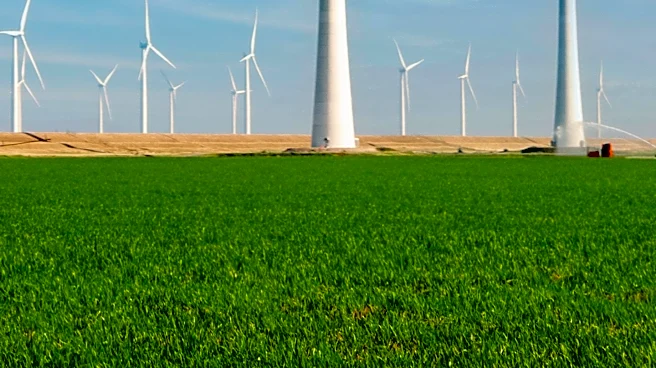
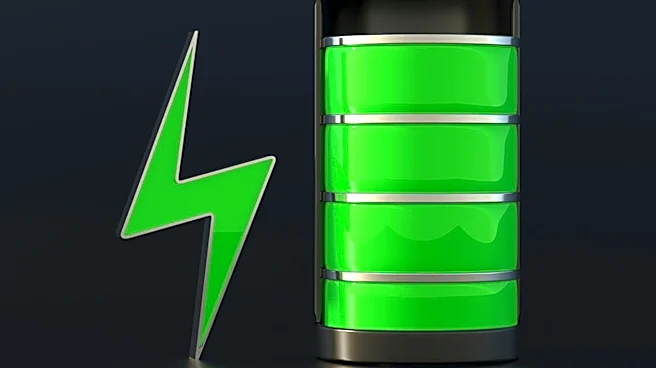
The study, led by chemical physicist Sander Ratso, was published in Nature Communications. The research provides insights into the molecular changes during the reaction, potentially allowing for the production of graphite for use in batteries and other industrial applications. The method could contribute to reducing atmospheric CO2 levels when combined with renewable energy sources.
Why It's Important?
This breakthrough in carbon capture technology offers a promising approach to addressing climate change by reducing atmospheric CO2 levels. By converting CO2 into graphite, a valuable material for batteries and electronics, the method not only mitigates emissions but also provides a sustainable source of graphite. This could have significant implications for industries reliant on graphite, such as the battery and electronics sectors, by reducing their carbon footprint and reliance on traditional graphite mining. The development aligns with global efforts to combat climate change and transition to more sustainable industrial practices.