








What's Happening?
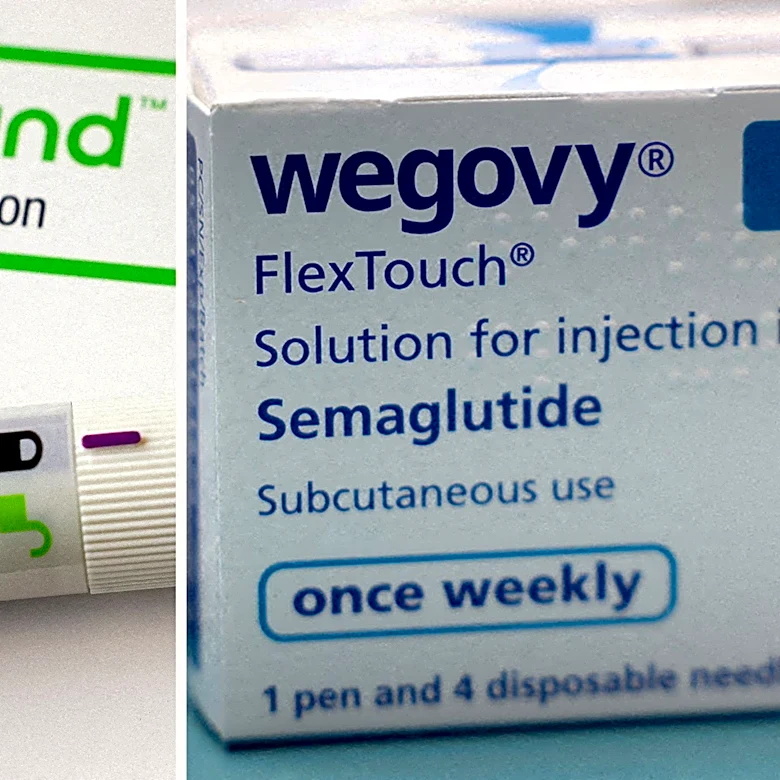
A recent systematic review and meta-analysis, published in the International Journal of Obesity, has confirmed the significant efficacy and safety profile of subcutaneous semaglutide for weight management in adults with overweight or obesity who do not
have diabetes. The analysis pooled data from nine randomized controlled trials involving 6,239 participants, with 4,203 receiving semaglutide and 2,036 receiving a placebo. The findings revealed that semaglutide was associated with a 12.04-percentage-point greater reduction in body weight, a 9.36 cm greater reduction in waist circumference, and a 40.90-percentage-point greater reduction in C-reactive protein (CRP) compared to placebo. These results highlight semaglutide's substantial improvements in weight-related outcomes and its anti-inflammatory effects.
Why It's Important?
Obesity is a growing public health concern, associated with numerous serious comorbidities such as cardiovascular diseases, osteoarthritis, and certain cancers. The introduction of glucagon-like peptide-1 receptor agonists (GLP-1 RAs) like semaglutide has expanded pharmacological options for weight management. This meta-analysis provides robust evidence supporting semaglutide as a clinically efficacious intervention, not only for weight loss but also for reducing inflammation, as indicated by the significant decrease in CRP levels. This dual benefit is crucial, as chronic inflammation is often linked to obesity-related health issues. The findings underscore the potential of semaglutide to improve overall health outcomes and reduce the burden of obesity-related complications in a large segment of the population, offering a valuable tool for healthcare providers in managing this complex condition.
What's Next?
While the current evidence strongly supports semaglutide's benefits, the review noted limitations, including single-trial data for higher doses (e.g., 7.2 mg) and variable treatment durations. Future research will need to confirm the efficacy and safety of higher doses and conduct longer-term trials to evaluate multi-year safety profiles and physiological benefits across diverse patient cohorts. This will provide a more comprehensive understanding of semaglutide's long-term impact and help refine treatment guidelines. The ongoing exploration of semaglutide's effects on broader inflammatory biomarkers, beyond CRP, such as interleukin-6 and TNF-alpha, will also be important. As more data emerges, healthcare providers will be better equipped to tailor semaglutide treatments to individual patient needs, further optimizing weight management and metabolic health.
Beyond the Headlines
The success of semaglutide in promoting weight loss and reducing inflammation has broader implications for public health and the pharmaceutical industry. It highlights the potential of GLP-1 RAs to address not just obesity but also its systemic consequences, potentially leading to a reduction in the incidence of related chronic diseases. This could shift healthcare strategies towards earlier and more aggressive pharmacological interventions for weight management. However, the widespread adoption of such medications also raises questions about accessibility, cost, and the potential for over-reliance on pharmaceutical solutions over lifestyle modifications. The ongoing research into higher doses and long-term effects will be critical in establishing a balanced and sustainable approach to managing obesity and its associated health challenges.