



What's Happening?
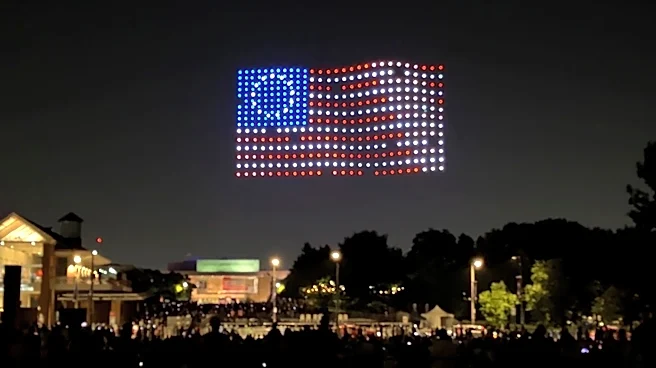
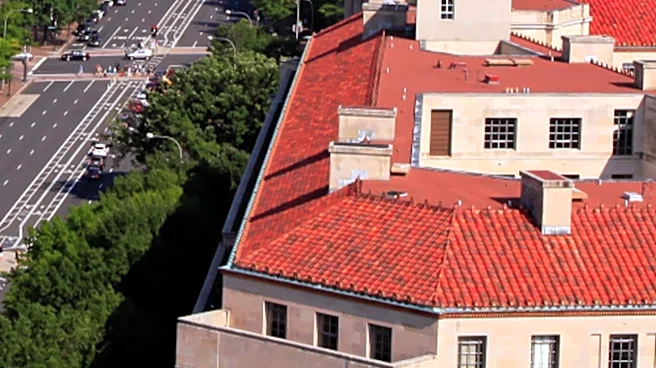
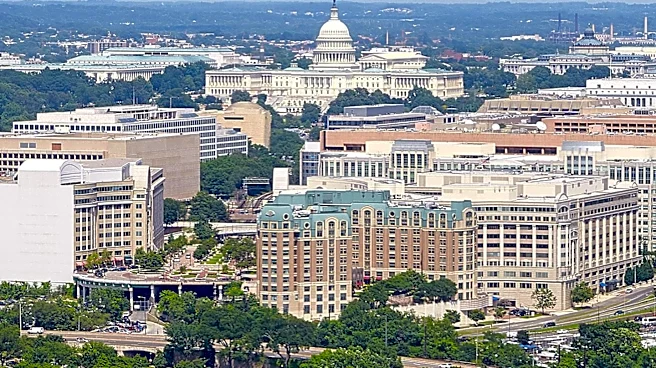
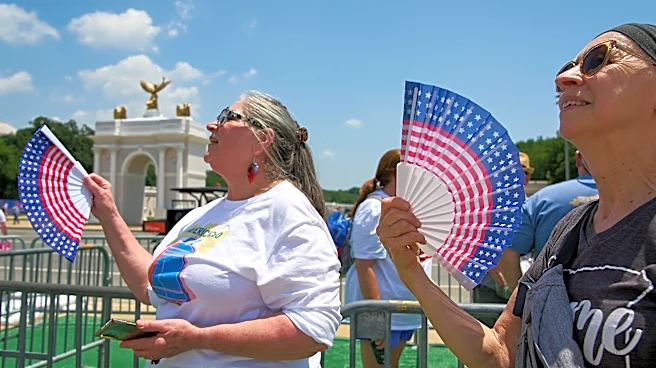
Organizers of the Independence Day parade in Washington DC canceled the event due to extreme heat conditions. The National Park Service, which was hosting the event, made the decision after the National Weather Service issued an extreme heat warning.
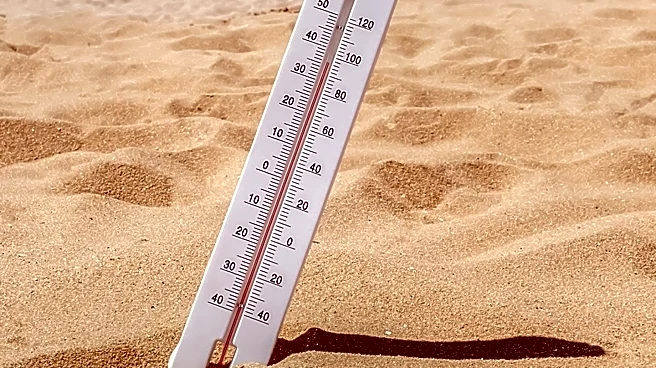
Temperatures in Washington DC were expected to reach 102F, with heat index values between 110 and 115F. The heat has been affecting transport services and the electricity grid, causing disruptions as the city prepared to celebrate the 250th anniversary of the US Declaration of Independence. The decision to cancel the parade was made after consultations with the municipal government and the Trump administration, which had planned various activities for the celebration.
Why It's Important?
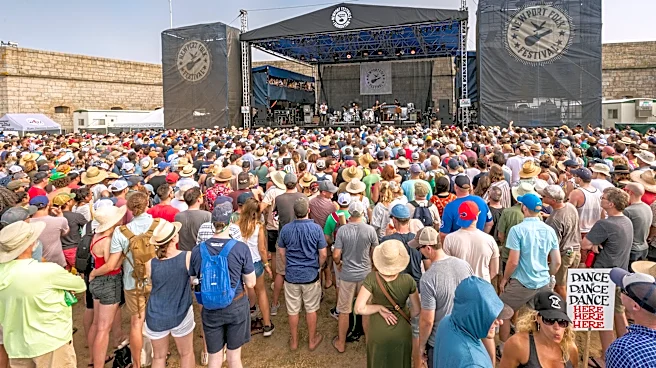
The cancellation of the parade highlights the significant impact of extreme weather conditions on public events and infrastructure. The decision underscores the challenges cities face in managing public safety during extreme heat events, which are becoming more frequent due to climate change. The disruption of such a major event also reflects the broader implications for tourism and local businesses that rely on holiday celebrations. The situation raises concerns about the preparedness of urban areas to handle extreme weather and the need for adaptive measures to protect public health and safety.
What's Next?
With the parade canceled, attention may shift to other planned activities, such as President Trump's scheduled speech and the fireworks show. Authorities may need to implement additional safety measures to protect attendees from heat-related illnesses. The situation could prompt discussions among city officials and event organizers about future strategies to mitigate the impact of extreme weather on public events. There may also be increased advocacy for policies addressing climate change and its effects on urban environments.