





What's Happening?
The Colorado School of Mines recently hosted its inaugural nuclear energy symposium, focusing on the comprehensive nuclear energy ecosystem required for successful development in the state. A key highlight of the event was the discussion around Small
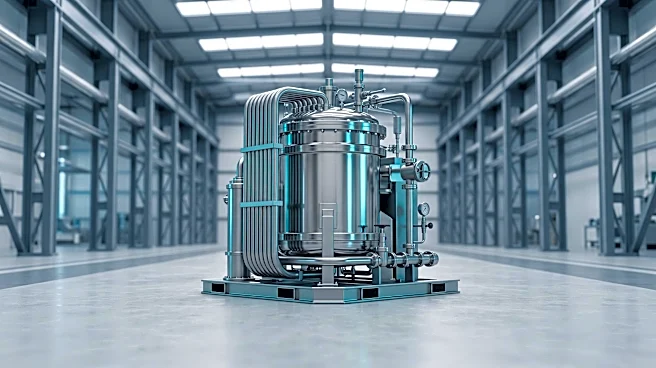
Modular Reactors (SMRs) and microreactors, which are advanced nuclear fission reactors designed for factory assembly and modular installation. These reactors offer lower power outputs compared to conventional gigawatt reactors, with SMRs generating up to 300 megawatts and microreactors producing less than 50 megawatts. The symposium noted that the Radiant Kaleidos 1MW microreactor has been selected to power critical operations at Buckley Space Force Base in Colorado, with power production anticipated to begin in 2028. This project is poised to be the next operational nuclear power plant in North America. Experts at the symposium also identified Texas as a leader in the SMR arena due to the creation of the Texas Advanced Nuclear Energy Office with significant state funding.
Why It's Important?
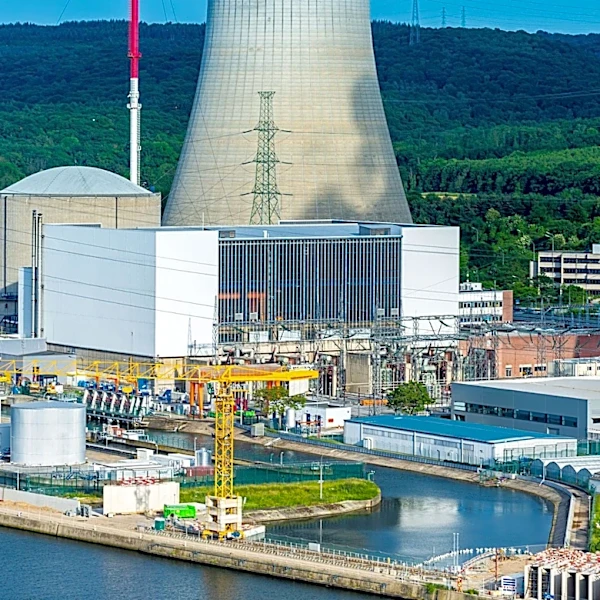
The increasing focus on SMRs and microreactors in the U.S. signifies a strategic shift towards more flexible, reliable, and low-carbon energy sources. The deployment of a microreactor at Buckley Space Force Base underscores the potential for these technologies to support critical infrastructure and national security operations, providing localized and resilient power. The discussion at the Colorado School of Mines symposium, particularly the emphasis on placing SMRs at decommissioned coal plants, highlights a significant economic and environmental opportunity. This approach allows for the reuse of existing transmission infrastructure and offers re-employment opportunities for coal plant workers, mitigating the economic impact of the transition away from fossil fuels. Furthermore, the development of state-level initiatives, such as the Texas Advanced Nuclear Energy Office, indicates a growing governmental recognition of nuclear energy's role in meeting future energy demands and achieving decarbonization goals, potentially attracting further investment and innovation in the sector.
What's Next?
The anticipated power production from the Radiant Kaleidos 1MW microreactor at Buckley Space Force Base in 2028 will serve as a crucial test case and demonstration of SMR technology in a real-world operational setting. The success of this project could accelerate the adoption of similar microreactor deployments across other critical U.S. facilities. Following Texas's lead, other states, including Colorado, are being urged to consider establishing their own state nuclear offices to foster SMR development and deployment. This could lead to a patchwork of state-level policies and incentives aimed at attracting nuclear energy investments. Additionally, the ongoing assembly of TerraPower’s Natrium reactor in Wyoming, founded by Bill Gates, is being closely watched as a leading SMR project. Its progress and community engagement efforts could set a precedent for future SMR developments, particularly regarding transparency and local support. The broader trend suggests a continued push for SMRs to replace or supplement traditional energy sources, especially at sites with existing energy infrastructure.
Beyond the Headlines
The shift towards SMRs and microreactors carries deeper implications for the U.S. energy landscape, extending beyond immediate power generation. The modular and factory-built nature of these reactors could revolutionize construction practices in the nuclear industry, potentially reducing costs and construction timelines, which have historically been major barriers for large-scale nuclear projects. This industrialization of nuclear power could also lead to the creation of new manufacturing jobs and supply chains. However, the increased reliance on nuclear energy, even from smaller reactors, will inevitably strain uranium supplies, necessitating a significant ramp-up in uranium mining and potentially accelerating the development of nuclear fuel recycling technologies. This raises ethical and environmental considerations regarding resource extraction and waste management. The strategic placement of SMRs at former coal plants also represents a significant step towards a just energy transition, aiming to provide economic stability to communities historically reliant on fossil fuel industries while advancing clean energy goals.