


What's Happening?
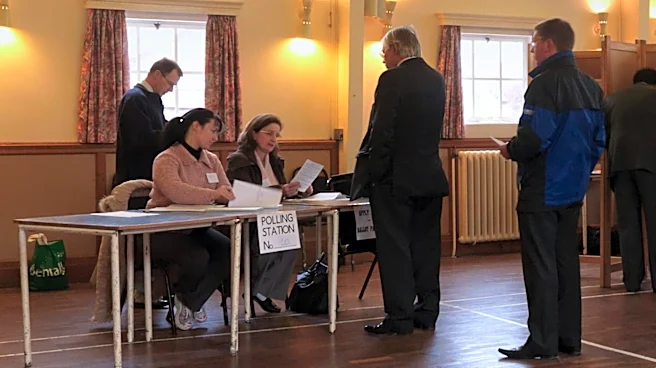
Idaho Secretary of State Phil McGrane has highlighted the indispensable role of poll workers in ensuring accessible, secure, and transparent elections in the state. McGrane emphasized that approximately 5,000 poll workers are needed for Idaho's November
general election. He detailed the extensive work involved, from setting up equipment and posting signs to meticulously accounting for ballots and returning materials to county election offices. McGrane shared a personal anecdote about June Pack, a poll worker who served for 55 years until her retirement at age 91, and noted that his own daughter recently served as a poll worker, underscoring a legacy of civic duty. He urged Idahoans to consider volunteering, describing it as a profound act of public service.
Why It's Important?
The call for poll workers by Secretary McGrane is crucial for maintaining the integrity and efficiency of the democratic process in Idaho. A sufficient number of trained poll workers ensures that polling places operate smoothly, reducing wait times and potential errors, which in turn builds public confidence in election outcomes. The emphasis on the meticulous nature of their work underscores the security measures in place, addressing concerns about election integrity. Furthermore, the involvement of community members as poll workers fosters a sense of local ownership and trust in the electoral system, reinforcing the foundational principles of democracy at the grassroots level. Without adequate staffing, the logistical challenges of conducting elections could compromise voter access and the perceived fairness of the process.
What's Next?
County election offices across Idaho will continue their efforts to recruit and train poll workers in preparation for the upcoming November general election. Secretary McGrane's message is likely to be amplified through various public awareness campaigns, encouraging more citizens to volunteer. Training sessions will focus on the detailed procedures and rules necessary to ensure consistent and secure election operations. The success of these recruitment drives will directly impact the voter experience and the overall administration of the election. Continued engagement from community leaders and election officials will be vital to meet the staffing needs and uphold the state's commitment to accessible and transparent elections.
Beyond the Headlines
The reliance on volunteer poll workers for elections points to a deeper societal commitment to civic engagement and democratic participation. Beyond the immediate logistical needs, the act of volunteering as a poll worker strengthens community bonds and educates citizens about the intricacies of the electoral process. This hands-on involvement can demystify elections, counter misinformation, and foster a more informed and engaged electorate. However, it also highlights a potential vulnerability: the electoral system's dependence on a consistent supply of volunteers. Challenges in recruitment, particularly in an increasingly polarized political climate, could necessitate discussions about alternative staffing models or increased incentives to ensure the long-term sustainability of this vital democratic function.