





What's Happening?
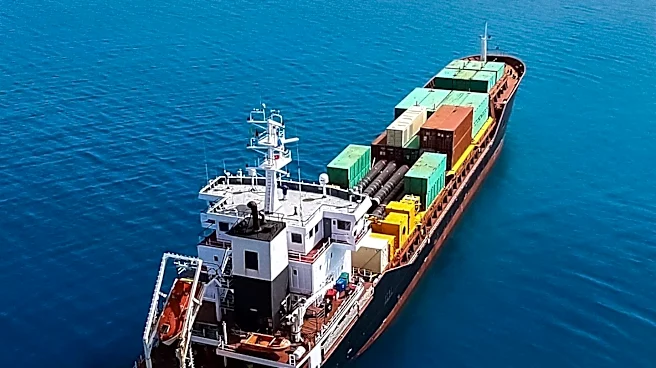
Tanker traffic through the Strait of Hormuz has come to a standstill following renewed hostilities between the United States and Iran. President Trump declared the ceasefire over, leading to missile exchanges between the two nations. The strategic waterway,
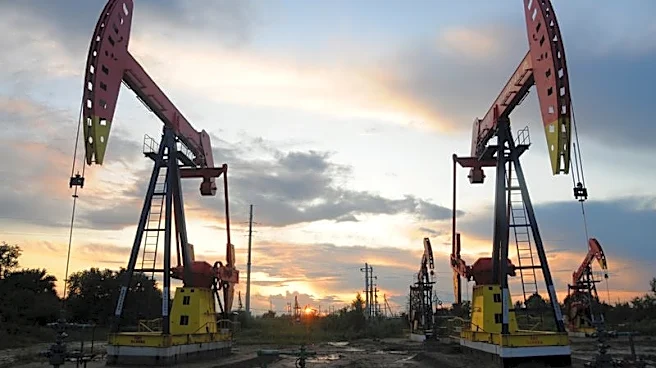
crucial for global oil and gas shipments, saw a significant drop in vessel movement, with only one tanker reported in transit. This contrasts sharply with the previous average of 34 tanker crossings per day. The escalation has caused several tankers to reverse course, avoiding the chokepoint, and has led to a spike in oil prices, reversing a recent downward trend.
Why It's Important?
The Strait of Hormuz is a vital artery for the global energy supply, with a significant portion of the world's oil passing through it. The halt in tanker traffic due to U.S.-Iran tensions could disrupt global oil markets, leading to increased prices and potential supply shortages. This situation underscores the geopolitical risks associated with energy transportation and the potential for regional conflicts to impact global economies. The U.S. and Iran's actions in this region have far-reaching implications for international relations and energy security.
What's Next?
The situation in the Strait of Hormuz remains volatile, with potential for further military escalation or diplomatic efforts to restore peace. The international community, including major oil-importing countries, will likely push for de-escalation to ensure the free flow of energy resources. The U.S. and Iran may face pressure to engage in negotiations to prevent further disruptions. Energy markets will continue to react to developments in the region, with stakeholders closely monitoring the situation for any signs of resolution or further conflict.