

What's Happening?
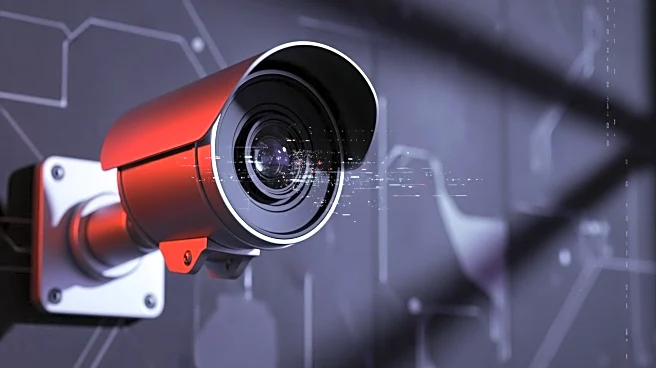
A surge in cyberattacks targeting internet-connected surveillance cameras across the Middle East has been linked to Iranian threat actors. Check Point Research (CPR) reports that the campaign, which began intensifying on February 28, has affected countries
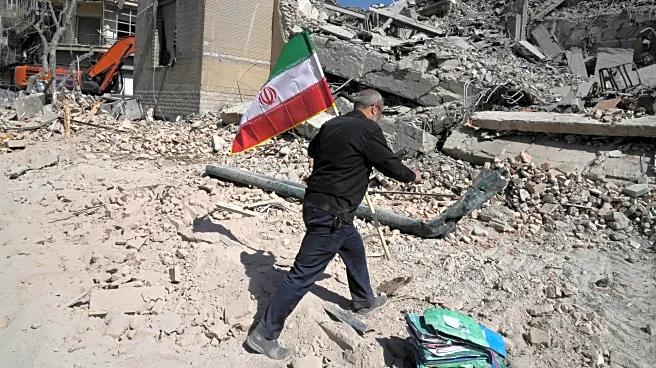
including Israel, Qatar, Bahrain, Kuwait, the UAE, and Cyprus. The attacks focus on exploiting vulnerabilities in Hikvision and Dahua products, aligning with Iran's military doctrine of using compromised cameras for operational planning and battle damage assessment. The campaign coincides with key geopolitical events, such as heightened tensions and public warnings from Iranian leadership about potential U.S. strikes.
Why It's Important?
The targeting of surveillance cameras by Iranian hackers highlights the strategic use of cyber operations to support military objectives. By compromising these devices, threat actors can gather intelligence, monitor movements, and assess the impact of military actions. This capability poses significant security risks, particularly in regions experiencing heightened tensions. The attacks underscore the need for robust cybersecurity measures to protect critical infrastructure and prevent unauthorized access to sensitive data. The use of commercial VPNs and virtual private servers by threat actors further complicates attribution and response efforts.
What's Next?
To mitigate the risks associated with these cyberattacks, organizations should implement strong security measures, such as removing public exposure of surveillance cameras, using VPNs, enforcing strong credentials, and keeping firmware up-to-date. Network segmentation and monitoring for unusual activity are also recommended to detect and respond to potential threats. As geopolitical tensions continue to evolve, ongoing vigilance and collaboration between cybersecurity experts and government agencies will be essential to address emerging threats and protect critical infrastructure.