




What's Happening?
Estonia has decided to cancel its planned acquisition of new infantry fighting vehicles (IFVs) and instead focus on upgrading its existing fleet of CV9035NL IFVs. This decision is part of a broader strategy to reallocate defense funds towards counter-unmanned
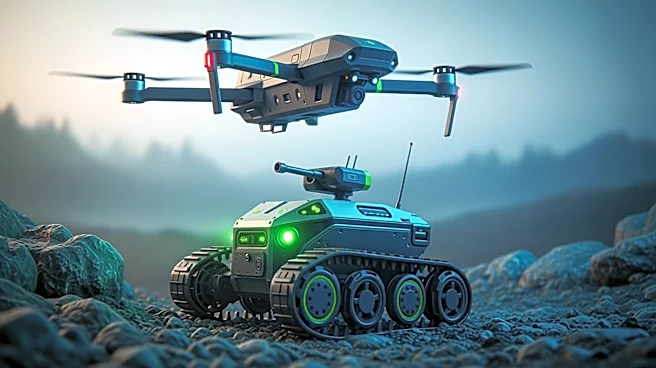
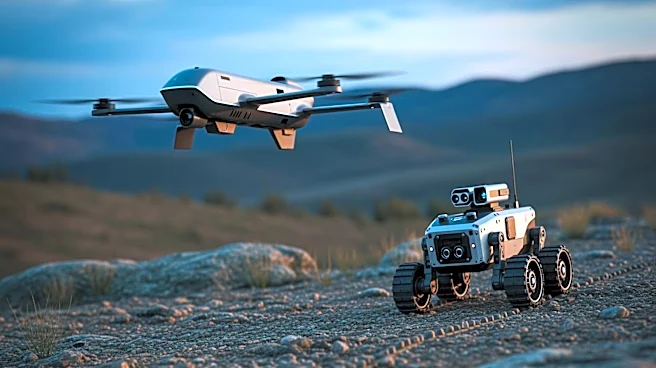
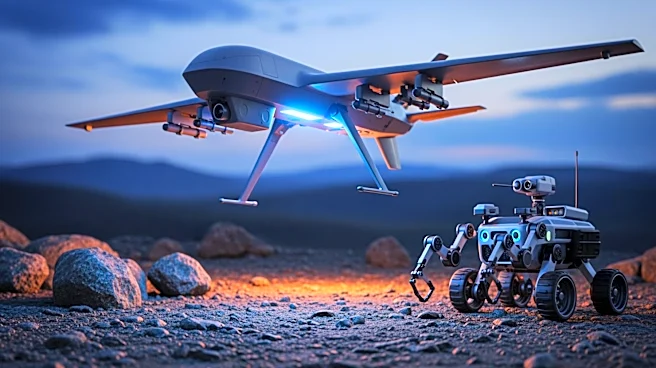
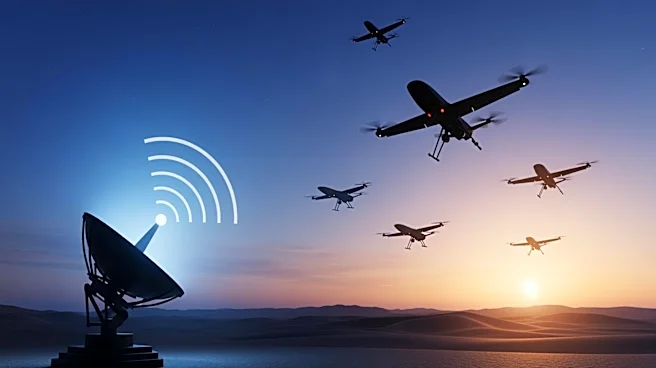
aerial systems (UAS) and first-person view (FPV) strike drones. The move comes as Estonia seeks to address the growing tactical and strategic influence of drones in modern warfare, as evidenced by their use in the Ukraine conflict. The Estonian Center for Defence Investments has confirmed that the 44 CV9035NL IFVs will receive a €100 million ($117.8 million) upgrade package. Additionally, Estonia has completed the delivery of Otokar ARMA and Nurol Machina armored personnel carriers, further bolstering its defense capabilities. Estonia's defense spending has significantly increased, with the 2025 budget estimated at over $1.6 billion, nearly double the 2022 figure.
Why It's Important?
The reallocation of funds towards counter-UAS and drone systems highlights Estonia's strategic shift in response to evolving battlefield threats. This decision underscores the increasing importance of drone technology in modern military operations, as seen in the Ukraine conflict. By investing in these capabilities, Estonia aims to enhance its defense posture and maintain a technological edge. The significant increase in defense spending also reflects Estonia's commitment to strengthening its military capabilities amid regional security concerns. This move could influence other NATO members to reassess their defense priorities and investments, particularly in drone and counter-drone technologies.
What's Next?
Estonia's decision to focus on counter-UAS and drone systems is likely to prompt further investments in these areas, potentially leading to collaborations with other NATO countries. The ongoing modernization of Estonia's military assets will continue, with the upgraded CV9035NL IFVs expected to play a crucial role in the country's defense strategy. As Estonia enhances its capabilities, it may also seek to participate in joint exercises and initiatives with allied nations to improve interoperability and readiness. The broader implications of this shift could see increased emphasis on drone warfare in NATO's strategic planning.