





What's Happening?
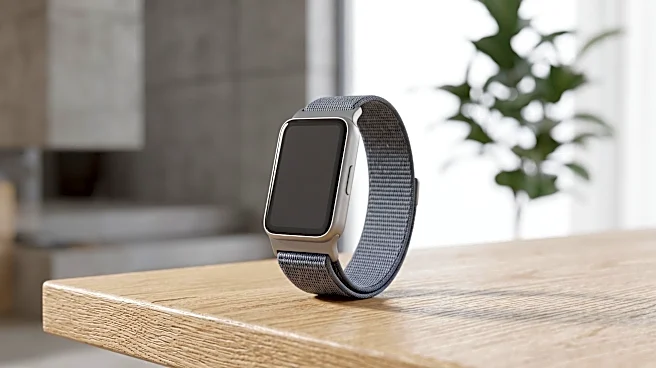
A recent study conducted by Florida International University (FIU) has found that popular fitness trackers, including the Apple Watch Series 8, Fitbit Sense 2, Samsung Galaxy Watch 5, and Garmin Forerunner 955, tend to overstate the number of calories
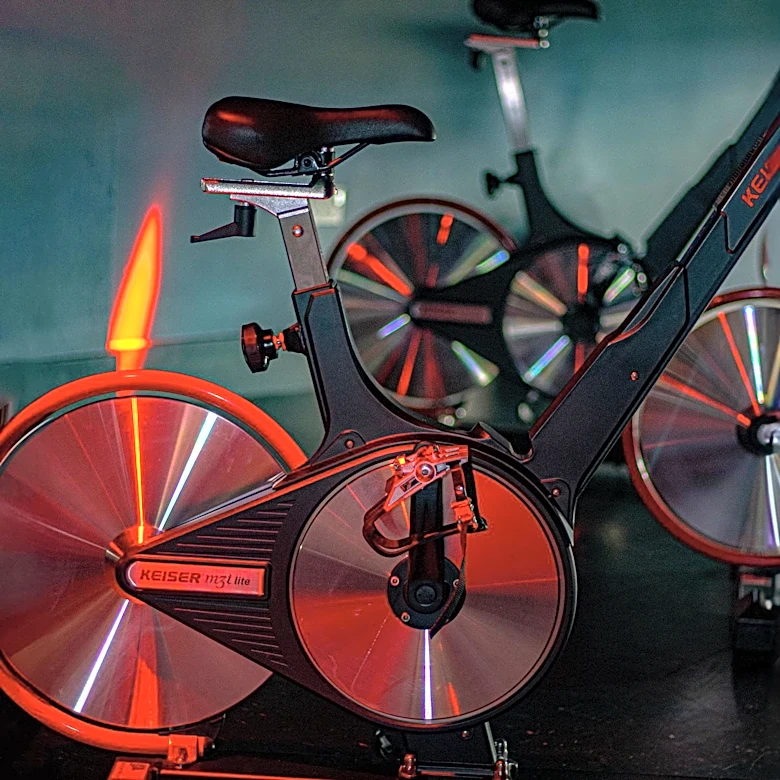
individuals burn during exercise. The research, which compared data from these devices against clinical lab equipment, indicated that the inaccuracies were most pronounced in participants with higher body fat percentages. Lead author Jason Kostrna, an associate professor of kinesiology and exercise science, stated that the calorie burn numbers provided by these devices should not be treated as accurate, as discrepancies could lead to a calorie surplus when users believe they are in a deficit. The study involved 58 Hispanic adults who wore the fitness trackers simultaneously during 10-minute stationary bike workouts of varying intensity. Their data was then cross-referenced with measurements from a COSMED K5 metabolic analyzer, a device that accurately measures breath, oxygen consumption, and energy expenditure. While the Apple Watch Series 8 was found to be the most accurate among the tested devices, Garmin and Samsung models showed the greatest overestimation of calories burned. The Fitbit Sense 2 sometimes failed to generate readings or reported implausibly low counts, leading to some of its data being excluded from the study.
Why It's Important?
This study carries significant implications for public health and the fitness technology industry in the U.S. Many individuals rely on fitness trackers for weight management and health monitoring, often making dietary and exercise decisions based on the calorie burn data provided by these devices. The findings suggest that users, particularly those with higher body fat who may be more motivated to track calories, could be inadvertently undermining their weight loss efforts by consuming more calories than they realize, due to inaccurate device readings. This could lead to frustration, discouragement, and a lack of progress, potentially impacting adherence to fitness routines. For the fitness tracker industry, the study highlights a need for improved accuracy in their algorithms, especially concerning diverse body compositions. The current reliance on potentially generalized algorithms, as theorized by Kostrna, may not adequately account for individual physiological differences. This could prompt manufacturers to invest further in research and development to refine their products, ensuring more precise and reliable data for consumers. The study also underscores the importance of critical evaluation of health data provided by consumer electronics and encourages a more holistic approach to health and fitness beyond sole reliance on device metrics.
What's Next?
The researchers at Florida International University plan to continue their investigation into the accuracy of fitness trackers, with the next phase focusing on how these devices estimate calories during strength training workouts. This is particularly relevant as strength training involves short bursts of energy, which can be more challenging for smartwatches to monitor accurately. The findings from this ongoing research could further inform both consumers and manufacturers about the limitations and potential improvements needed in fitness tracking technology. It is anticipated that the study's results may prompt fitness tracker companies to review and potentially refine their algorithms to enhance accuracy, especially for diverse user populations. This could involve incorporating more varied test data during algorithm development to better account for individual differences in body composition and exercise types. Consumers might also become more discerning about the data provided by their devices, potentially seeking out more comprehensive health guidance that combines device metrics with professional advice. The study's publication could also lead to increased public discourse on the reliability of wearable technology for health purposes and potentially influence future industry standards or guidelines for accuracy claims.
Beyond the Headlines
The FIU study delves into a deeper issue concerning the intersection of technology, health, and consumer trust. The widespread adoption of fitness trackers has created an expectation among users that these devices provide precise and actionable health data. However, the study reveals a potential disconnect between this expectation and the actual capabilities of the technology, particularly regarding calorie expenditure. This raises ethical questions for manufacturers about the transparency of their device's accuracy and the potential for misleading consumers, especially those who are vulnerable or highly motivated to achieve health goals. The findings could also contribute to a broader conversation about data privacy and the algorithms used by tech companies, as the study suggests that the underlying methodologies for calorie estimation may not be robust enough for all users. Furthermore, the study highlights the challenge of creating 'one-size-fits-all' health technology in a diverse population, emphasizing the need for personalized health solutions. The long-term implications could include a shift in how fitness trackers are marketed, moving away from definitive calorie counts towards more general activity and trend tracking, or a push for regulatory bodies to establish standards for accuracy in health-related wearable technology.