


What's Happening?
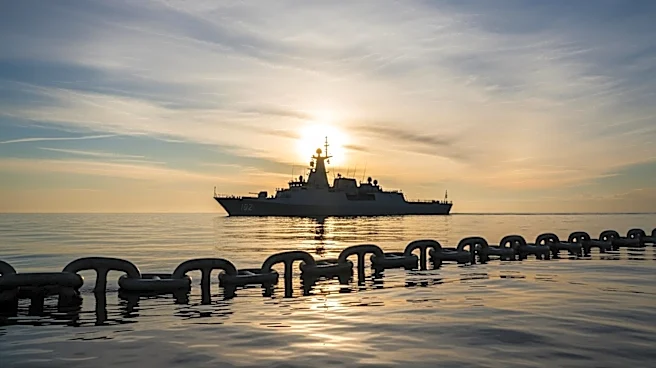
Iran's military has reinstated strict control over the Strait of Hormuz in response to President Donald Trump's ongoing naval blockade. According to Iranian state broadcaster IRIB, Iran agreed to allow limited ship passage but accused the U.S. of not
fulfilling its obligations, leading to the closure of the strait. The waterway will remain under Iranian military control as long as the U.S. blockade persists. This development follows President Trump's announcement on Truth Social that the strait was open, although the blockade would continue until a transaction with Iran is fully completed. The two-week ceasefire between the U.S. and Iran is set to expire soon, adding urgency to the situation.
Why It's Important?
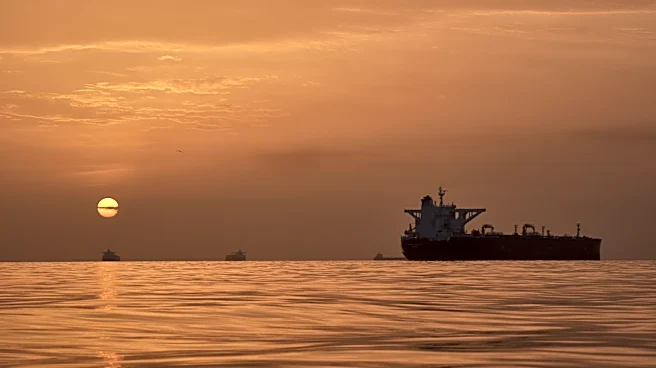
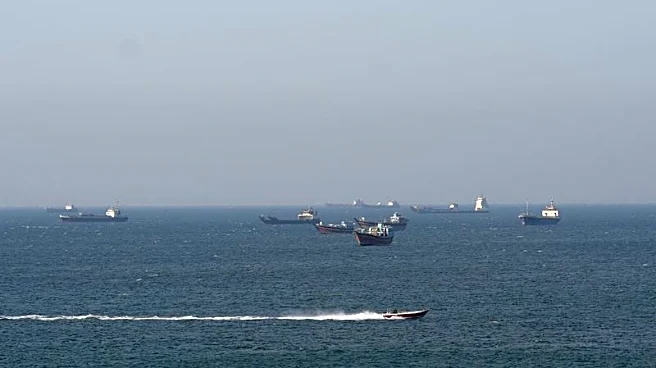
The Strait of Hormuz is a vital passage for global oil supplies, with about 20% of the world's oil passing through it. Any disruption could lead to significant increases in energy prices and destabilize global markets. The U.S. blockade and Iran's response highlight the fragile nature of international relations in the region. The situation underscores the potential for economic and geopolitical consequences if tensions are not resolved. The U.S. Central Command's enforcement of the blockade and Iran's military actions could escalate into broader conflict, affecting global trade and energy security.
What's Next?
With the ceasefire nearing its end, both the U.S. and Iran face critical decisions regarding their next moves. The international community will be watching closely, as any escalation could have far-reaching impacts on global energy markets and geopolitical stability. Diplomatic efforts may intensify to prevent further conflict, but the potential for military engagement remains if negotiations fail. Stakeholders in the energy sector and governments worldwide will need to prepare for possible disruptions in oil supply and price volatility.