




What's Happening?
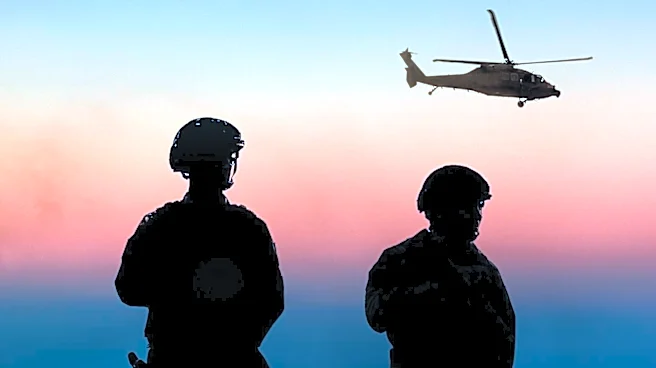
Nigerian President Bola Tinubu has authorized a significant pay increase for the country's armed forces, with raises of up to 80% for certain ranks. This decision, announced by the presidency, aims to improve troop welfare as Nigeria continues to face
severe security threats, including insurgency, banditry, and kidnappings. The salary adjustments, effective from September 1, will see officers above the rank of colonel receive a 30% increase, while those from colonel to warrant officer will get a 50% raise. Soldiers from private to staff sergeant will benefit from an 80% salary hike. The move is part of a broader strategy to enhance military morale and effectiveness in combating ongoing security issues across various regions of Nigeria.
Why It's Important?
The pay rise is a strategic effort to bolster the morale and operational capacity of Nigeria's military forces, which are crucial in addressing the country's persistent security challenges. By improving the welfare of military personnel, the government aims to strengthen its defense against insurgent groups like Boko Haram and ISWAP, as well as criminal gangs in the northwest. This initiative reflects the administration's commitment to prioritizing national security and modernizing the armed forces. The increased military expenditure, however, will raise the annual wage bill significantly, impacting Nigeria's fiscal budget. The success of this policy could influence public confidence in the government's ability to manage security and economic stability.
What's Next?
The implementation of the new pay structure will likely be closely monitored by both domestic and international observers, as it could set a precedent for military compensation in the region. The Nigerian government may face pressure to ensure that the increased spending translates into tangible improvements in security. Additionally, there could be calls for further reforms in military strategy and equipment modernization to complement the pay rise. The effectiveness of these measures in reducing violence and improving security will be critical in shaping future policy decisions.