






What's Happening?
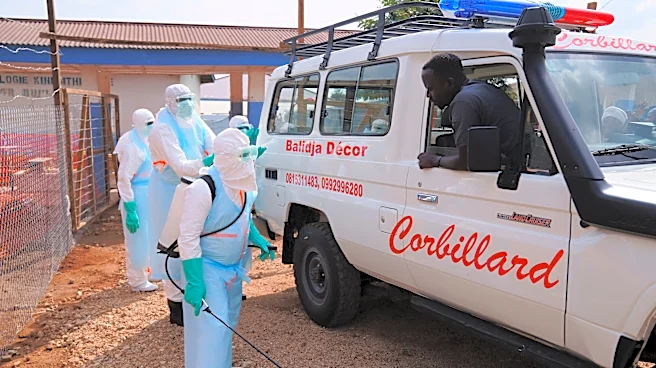
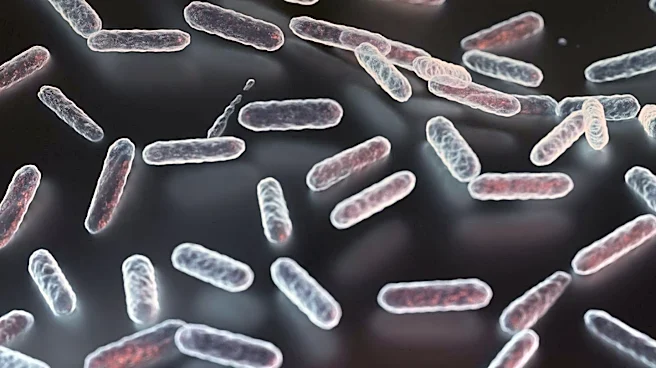
Cholera continues to pose a significant global health threat, particularly in regions lacking clean water and basic healthcare. In 2025, the disease reached its deadliest point in over a decade, with nearly 7,600 deaths reported across 33 countries. The
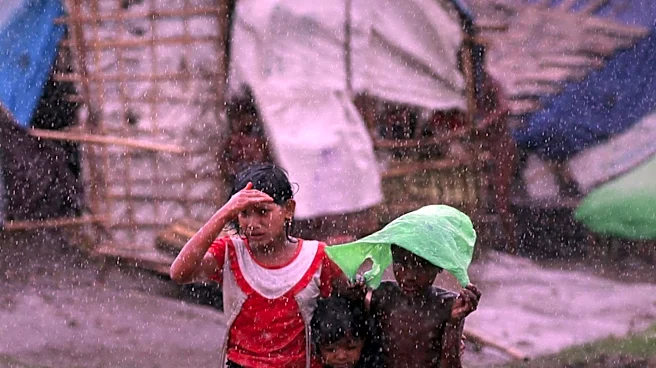
World Health Organization (WHO) estimates the actual number of cases and deaths to be much higher, potentially ranging from 1.3 million to 4 million cases and 21,000 to 143,000 deaths annually. The disease has surged over the past five years, with reported cases increasing by approximately 175% from 2021 to 2025. Africa accounted for about 70% of reported cholera deaths in 2025. Despite being easily treatable with oral rehydration solutions, cholera remains difficult to control due to the lack of clean water in affected regions.
Why It's Important?
The resurgence of cholera underscores the critical need for improved water sanitation and healthcare infrastructure in vulnerable regions. The disease's persistence highlights global inequalities, as it predominantly affects areas with inadequate access to clean water and healthcare. The WHO aims to reduce cholera deaths by 90% by 2030, emphasizing the importance of international cooperation and investment in public health infrastructure. The ongoing cholera crisis serves as a reminder of the interconnectedness of global health and the necessity for comprehensive strategies to address preventable diseases.