







What's Happening?
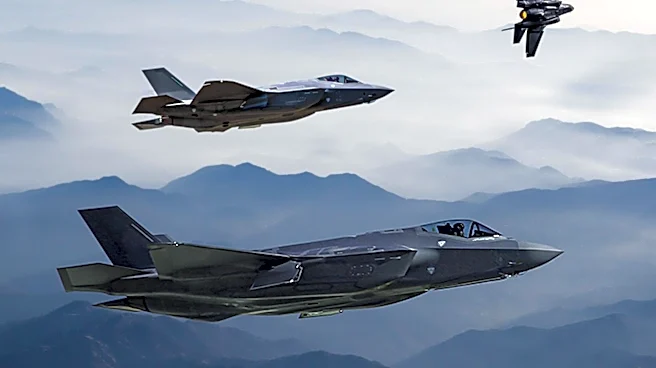
The South Dakota Air National Guard is actively advocating for its base in Sioux Falls to become a future home for the F-35 Lightning II fighter jet. This initiative comes as the F-16 Fighting Falcons, which have been stationed at the Sioux Falls base since
the early 1990s, are expected to be phased out over the next 10 to 15 years. A competitive process is currently underway through the Air Force, with nine bases vying for two available slots to host the F-35s. Major General Mark Morrell, the 23rd adjutant general of the South Dakota National Guard, emphasized that this competition represents the best opportunity for recapitalization, ensuring the continuation of fighter operations at the base. The F-35 is described as the world's most advanced and lethal fighter jet, offering significant technological advancements over the aging F-16s. The current F-16s, built in the late 1980s, are nearing the end of their service life, making the acquisition of new aircraft crucial for the base's future.
Why It's Important?
Securing the F-35s for the South Dakota Air National Guard is vital for both national defense and the local economy. The Guard employs over 1,100 members in the Sioux Falls area, contributing an estimated economic impact of nearly $100 million to the region. The transition to F-35s would ensure the continued presence of these jobs and the associated economic benefits. Furthermore, the F-35's advanced capabilities would enhance national security by providing a cutting-edge platform for aviation readiness. The synergy with the new B-21 Raider stealth bomber based at Ellsworth Air Force Base and access to the Powder River Training Complex would create a unique training environment where F-35s and B-21s could train together, a capability not found elsewhere in the nation. This would solidify South Dakota's role as a critical hub for advanced military operations and training.
What's Next?
The initial advocacy period for the F-35 competition extends through early December. The goal is to demonstrate strong community support for bringing the F-35 to Sioux Falls. The process is expected to narrow the field of nine competing sites to about half before a final selection is made in the first half of next year. If Sioux Falls is chosen, the number of aircraft and personnel at the base is expected to remain consistent. While the F-35 jets themselves are not anticipated to be operational until the late 2030s or around 2040, the decisions made now and in the coming year will be crucial in determining the future of fighter operations at the South Dakota Air National Guard base. The Greater Sioux Falls Chamber of Commerce is collecting organizational endorsements and encouraging businesses to send letters of support to the Secretary of the Air Force.
Beyond the Headlines
The competition for F-35 placement highlights a broader trend in military modernization and the strategic importance of regional air national guard bases. The phasing out of older aircraft like the F-16s underscores the continuous need for technological upgrades to maintain military superiority. The emphasis on community support and economic impact in the decision-making process reveals the intertwined nature of military installations and local economies. The South Dakota Air National Guard's strong reputation and ability to attract and retain personnel, including family members serving together, speaks to a unique organizational culture that could be a significant factor in its favor. This situation also reflects the ongoing efforts by states to secure high-tech military assets, recognizing their long-term economic and strategic value.