








What's Happening?
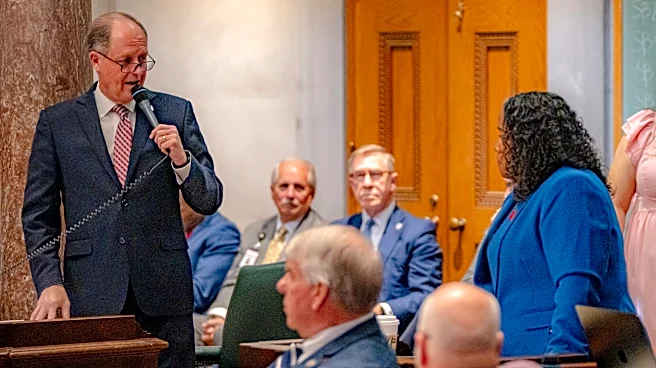
Tennessee Governor Bill Lee has signed a new bill into law that mandates public college and university governing boards to establish policies that differentiate between tenure decisions and disciplinary actions for faculty members. The legislation, known
as House Bill 2194, aims to standardize disciplinary procedures for both tenured and non-tenured faculty, ensuring that tenure cannot be used as a shield against misconduct allegations. Under the new law, faculty members facing termination or suspension due to misconduct allegations will receive a written notice and an opportunity to be heard by the institution's chief academic officer or chief executive officer. The decision to terminate or suspend will be made solely by these officers, without input from other faculty members. The bill also requires public institutions to adopt policies that uphold institutional neutrality, free expression, and civil discourse, and to make these policies publicly available on their websites.
Why It's Important?
The enactment of this bill is significant as it alters the traditional protections associated with tenure, potentially impacting the job security of faculty members in Tennessee's public colleges and universities. Supporters argue that the bill prevents tenure from being misused to avoid accountability, while critics contend that it undermines due process and weakens the tenure system. This legislative change could influence faculty recruitment and retention, as well as the overall academic environment, by shifting the balance of power in disciplinary matters. The requirement for institutions to maintain policies on free expression and civil discourse also highlights ongoing debates about academic freedom and the role of higher education institutions in fostering diverse viewpoints.
What's Next?
As the law takes effect, public colleges and universities in Tennessee will need to develop and implement the required policies, which may involve revising existing procedures and training staff on the new guidelines. The response from faculty and academic organizations will be crucial, as they may seek to challenge or adapt to the changes. Additionally, the impact of this legislation could prompt similar measures in other states, potentially leading to broader discussions about tenure and faculty rights across the U.S. Higher education institutions will need to balance the enforcement of disciplinary actions with the preservation of academic freedom and institutional integrity.