



What's Happening?
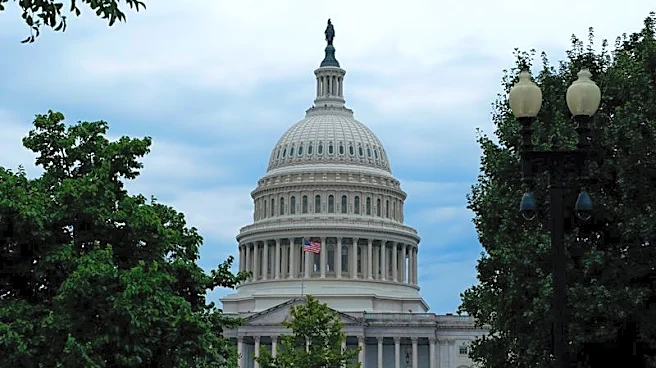
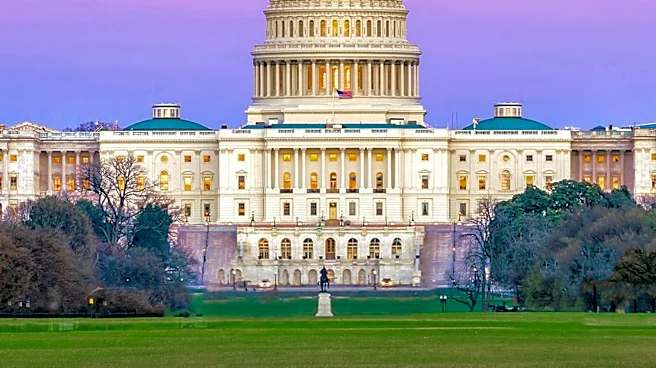
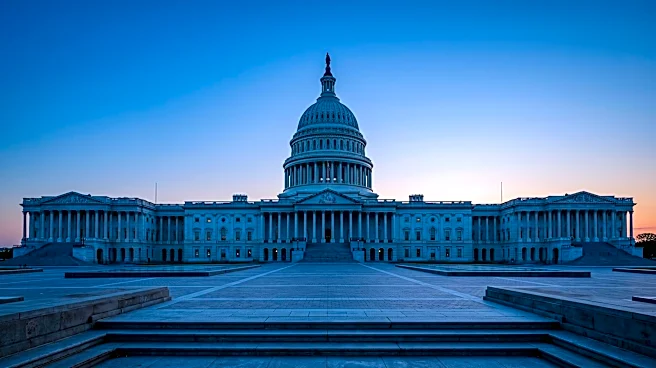
The U.S. House of Representatives has voted to delay new federal protections for North Atlantic right whales until 2035. These protections were designed to mitigate the risk of entanglement in fishing gear, a significant threat to the species. Despite
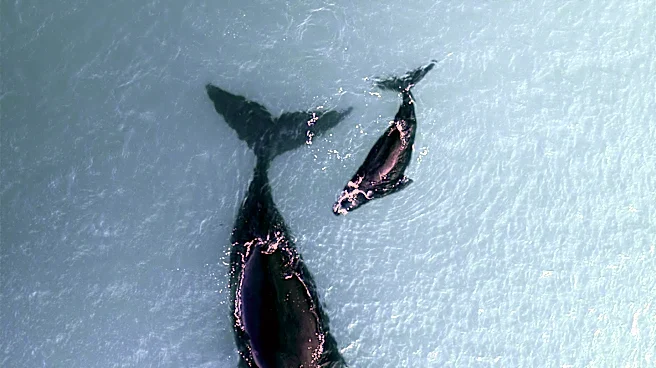
the critical status of the North Atlantic right whale population, with fewer than 400 individuals remaining and less than a quarter being reproductively active females, the majority of the House voted for this delay. Most of New Jersey’s congressional delegation opposed the delay, with the exceptions of Representatives Thomas Kean Jr., Jeff Van Drew, and Chris Smith. This decision is particularly alarming to conservationists, who fear that waiting until 2035 for stronger protections could lead to the extinction of these whales. Entanglement in fishing gear and vessel strikes are identified as primary causes of mortality for the species. A recent incident documented by the National Oceanic and Atmospheric Administration (NOAA) involved a five-year-old male right whale severely entangled in fishing line, an injury classified as likely fatal.
Why It's Important?
This delay in federal protections carries profound implications for the survival of the North Atlantic right whale, a species already teetering on the brink of extinction. The extended timeline for implementing protective measures means that the population will continue to face significant threats from fishing gear entanglement and vessel strikes for over a decade, potentially leading to irreversible decline. The decision highlights a conflict between economic interests, particularly within the fishing industry, and environmental conservation efforts. The New Jersey Conservation Foundation emphasizes the state's direct stake and moral duty to protect these whales, which are integral to the marine ecosystem and contribute to plankton growth and a healthy marine food web. The loss of even a single whale is detrimental to the small, fragile population. This legislative action could set a precedent for how critically endangered species are managed, potentially prioritizing short-term economic considerations over long-term ecological preservation.
What's Next?
The focus now shifts to the U.S. Senate, which will consider the House measure to delay protections for North Atlantic right whales. Conservation groups and advocates are urging New Jersey residents to contact their Senators to support strong, science-based protections that would immediately reduce threats to the whales. This legislative battle will determine the immediate future of conservation efforts for the species. If the Senate approves the delay, the whales will remain vulnerable for an extended period, increasing the urgency for alternative, non-legislative conservation strategies. Conversely, if the Senate rejects the delay, it could pave the way for earlier implementation of critical protections. The outcome will also influence public perception and political discourse surrounding environmental policy and the balance between economic activities and species preservation.
Beyond the Headlines
The debate over North Atlantic right whale protections extends beyond immediate legislative actions, touching upon broader ethical and ecological considerations. The whales play a crucial role in the marine ecosystem, supporting plankton growth and contributing to the ocean's oxygen production and carbon dioxide absorption. Their potential extinction would not only represent a significant loss of biodiversity but also disrupt the delicate balance of marine life. The decision to delay protections raises questions about humanity's responsibility towards endangered species and the long-term consequences of human activities on natural environments. It also underscores the challenge of achieving consensus on environmental policies when economic sectors are perceived to be at odds with conservation goals. The plight of the North Atlantic right whale serves as a poignant reminder of the interconnectedness of ecosystems and the far-reaching impacts of policy decisions on the natural world.