






What's Happening?
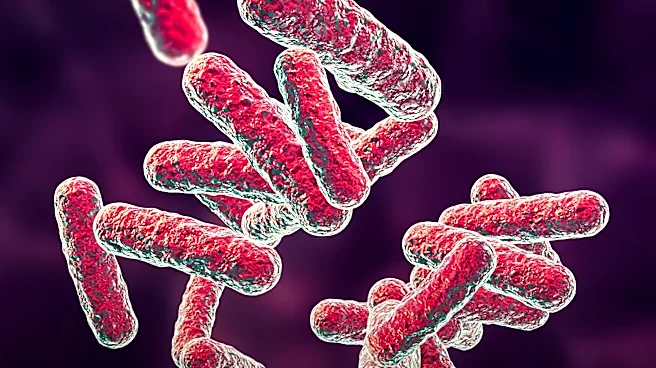
The market is seeing an increased focus on postbiotic formulations, particularly for their potential to influence the gut-brain axis. PhytoGaia is introducing PetGaia™ Post, a postbiotic product designed for companion animals, which combines Lactiplantibacillus
plantarum and palm fruit extract. This formulation aims to support both gut and cognitive wellness in pets. Beyond animal applications, postbiotics are being explored for broader health benefits, including digestive regularity, recovery after antibiotic use, women's urogenital health, and stress-related gut-brain axis support. The understanding of the gut's role as a communication hub, constantly exchanging information with the rest of the body, is driving this research and product development. The gut microbiome's influence on immune cells, inflammatory processes, skin health, and hormone production highlights its central role in overall well-being.
Why It's Important?
The growing interest in postbiotics signifies a shift in the wellness industry towards more targeted and stable microbiome-modulating solutions. For the U.S. pet care market, the introduction of products like PetGaia™ Post indicates a rising demand for advanced nutritional supplements that address cognitive and digestive health in companion animals. This trend reflects an increasing consumer awareness of the gut-brain connection and its implications for overall health, extending from humans to pets. The broader application of postbiotics in human health, such as for digestive regularity and stress management, suggests a potential for new product categories and market growth in the nutraceutical and functional food sectors. Companies investing in postbiotic research and development stand to gain a competitive edge by offering innovative solutions that cater to evolving consumer health priorities. This also underscores the scientific community's deepening understanding of the microbiome's complex interactions with various bodily systems.
What's Next?
The continued research into postbiotics is likely to uncover more specific applications and mechanisms of action, potentially leading to a wider array of targeted products for both human and animal health. We can anticipate further product launches focusing on specific health concerns, such as enhanced cognitive function, mood regulation, and immune support, leveraging the gut-brain axis connection. Regulatory bodies may also begin to develop more specific guidelines for postbiotic products as their prevalence and scientific backing grow. Consumer education will be crucial in distinguishing postbiotics from probiotics and prebiotics, highlighting their unique benefits and stability. The success of current offerings will likely spur further investment in clinical trials to substantiate health claims, particularly for human applications, which are currently less detailed in the provided sources.
Beyond the Headlines
The emergence of postbiotics represents a significant evolution in microbiome science, moving beyond live microorganisms (probiotics) to their beneficial byproducts. This shift addresses challenges associated with probiotic viability and stability, potentially offering more consistent and reliable health benefits. The focus on the gut-brain axis highlights a holistic view of health, recognizing the intricate communication between the digestive system and the central nervous system. This paradigm shift could lead to new therapeutic strategies for conditions ranging from mood disorders to neurodegenerative diseases, by targeting gut health. Ethically, the development of such products necessitates rigorous scientific validation to ensure efficacy and safety, especially as they move into broader consumer markets. The long-term impact could be a more personalized approach to health and wellness, where specific postbiotic formulations are recommended based on individual microbiome profiles and health needs.