






What's Happening?
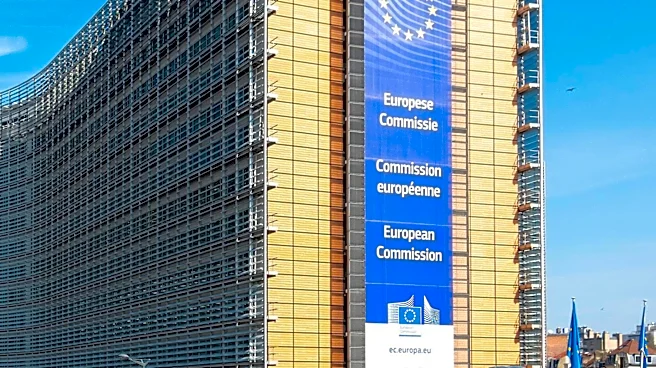
Ukraine's plan to conduct joint border checks with EU countries, including Poland, is being held up pending approval from the European Commission. Serhiy Derkach, Ukraine's First Deputy Minister for Restoration, Infrastructure and Transport, stated that
the delay stems from legal questions regarding the updated Schengen Borders Code and the authority Ukrainian border guards and customs officers would have on EU territory. Specifically, the parties need to establish clear rules for situations where Ukrainian officials might need to detain individuals or seize goods within an EU country. While Ukraine and Poland have exchanged letters confirming their readiness to sign an agreement on coordinated control, and similar texts have been agreed with Slovakia, talks with Romania and Hungary are ongoing. Four joint checkpoints already operate in Poland, where Ukrainian and Polish officials work together, and this practice could expand once EU approval is secured. Derkach hopes for finalization by the end of 2026, but the timeline is contingent on the European Commission's position.
Why It's Important?
The delay in securing EU approval for joint border checks is significant because it impacts Ukraine's ability to enhance border security and streamline cross-border operations, especially in the context of ongoing conflict. Moving inspections to EU territory would help maintain the functionality of checkpoints even if Ukrainian border infrastructure is damaged by attacks, as has occurred in the Odesa region. This initiative is crucial for ensuring the continuous flow of goods and people, which is vital for Ukraine's economy and humanitarian efforts. The legal complexities surrounding the authority of Ukrainian officials on EU soil highlight the challenges of integrating non-EU countries into shared security and customs frameworks. Resolving these issues would not only improve operational efficiency but also deepen Ukraine's integration with European Union standards and practices, fostering greater stability and cooperation in the region.
What's Next?
Ukraine will continue to await the European Commission's approval, which requires the relevant departments responsible for transport, home affairs, and customs to provide their positions on the agreements. Derkach hopes that the agreements can be finalized by the end of 2026, but this remains dependent on EU-level approval. In the interim, Ukraine plans to launch several pilot joint-control projects on its border with Moldova by the end of 2026, where an agreement is already in force, pending the readiness of necessary infrastructure and access to information systems. These pilot projects could provide valuable insights and models for future agreements with EU member states. The ongoing discussions and efforts underscore Ukraine's commitment to strengthening its border management capabilities and its desire for closer operational alignment with its European partners.
Beyond the Headlines
The complexities surrounding joint border checks extend beyond mere logistical arrangements; they touch upon fundamental questions of sovereignty, legal jurisdiction, and the practicalities of international cooperation. The need for EU approval highlights the intricate legal framework governing the Schengen Area and the challenges of extending its principles to non-member states, even in times of crisis. This situation also underscores the broader implications of the conflict in Ukraine for European security and integration. The desire to move border checks to EU territory reflects a strategic adaptation to wartime conditions, aiming to create more resilient and secure transit corridors. Successfully implementing these joint controls would not only benefit Ukraine but also strengthen the EU's external borders and enhance regional stability, setting a precedent for future collaborations between the EU and its neighbors.