







What's Happening?
On May 1, President Volodymyr Zelensky of Ukraine announced significant reforms to the country's armed forces. These reforms include pay raises for soldiers and changes to recruitment and service terms, with implementation expected to begin in June. The reforms aim
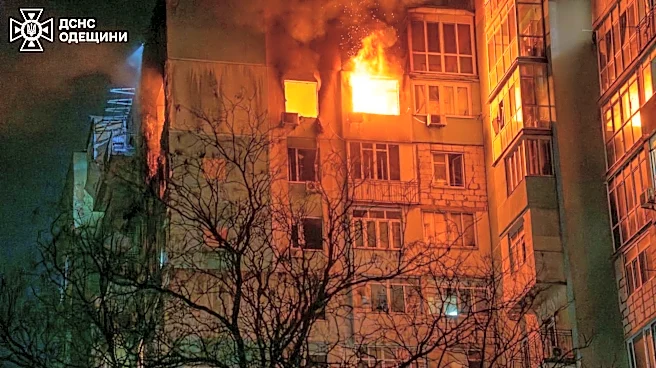
to increase fairness in compensation based on combat duties, experience, and effectiveness. The minimum salary for rear positions is set at Hr 30,000 (approximately $680), while infantry troops could earn between Hr 250,000 and Hr 400,000 (around $5,600-$9,000). The changes also aim to expand contract-based service and set clear service terms, allowing for the phased discharge of previously mobilized soldiers. This announcement comes amid ongoing tensions with Russia, highlighted by a recent Russian drone strike in Ternopil, Ukraine, which injured at least 12 people.
Why It's Important?
The military reforms announced by President Zelensky are crucial for Ukraine as it continues to face aggression from Russia. By increasing pay and clarifying service terms, the reforms aim to boost morale and retain skilled personnel within the armed forces. This is particularly important as Ukraine seeks to strengthen its defense capabilities against ongoing Russian military actions. The reforms also reflect Ukraine's commitment to modernizing its military structure, which could enhance its operational effectiveness. Additionally, these changes may influence international perceptions of Ukraine's military readiness and resilience, potentially affecting foreign aid and support.
What's Next?
The next steps involve the finalization of the reform details by the end of May, with the first tangible changes expected in June. The Ukrainian Defense Ministry and General Staff are tasked with providing specific timelines for the discharge of military personnel. As the reforms are implemented, there may be reactions from both domestic and international stakeholders. Domestically, the reforms could impact military recruitment and retention, while internationally, they may influence the level of support Ukraine receives from allies. The ongoing conflict with Russia will likely continue to shape the implementation and outcomes of these reforms.