







What's Happening?
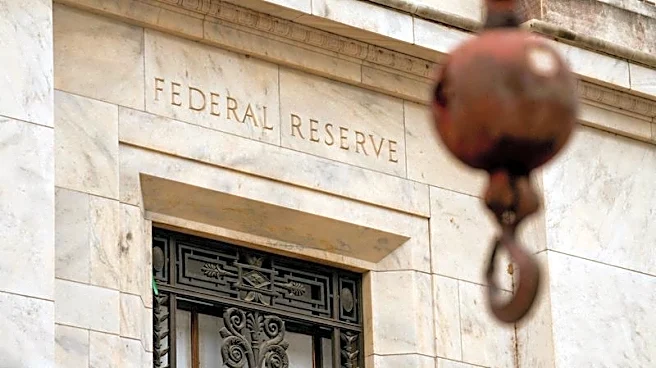
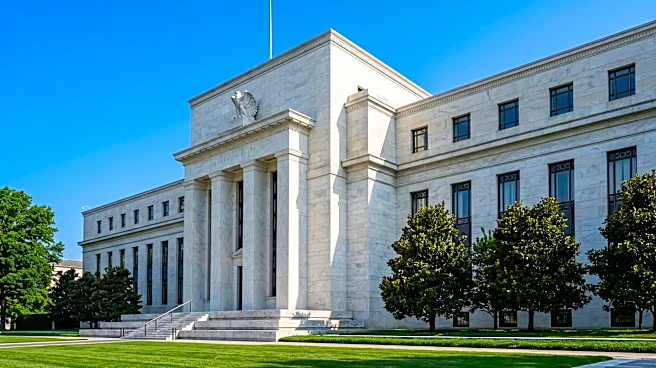
The Federal Reserve system is set to reform its processes for identifying and hiring key officials at its 12 reserve banks. This initiative follows an investigation by the central bank's inspector general, which identified several issues in the current
hiring practices. The report, released on Wednesday, examined practices between 2021 and 2024 and highlighted concerns such as a lack of screening for prohibited investments, the involvement of bankers in recruiting members for regional Fed bank boards of directors, and conflicts of interest during presidential searches. The investigation yielded five key findings and recommended ten policy changes, primarily aimed at establishing more standardized hiring processes across the entire Federal Reserve system.
Why It's Important?
These reforms are crucial for maintaining the integrity and public trust in the Federal Reserve, a cornerstone of the U.S. financial system. Conflicts of interest, or even the appearance of them, can undermine the credibility of monetary policy decisions and the overall impartiality of the central bank. By standardizing hiring processes and enhancing screening for prohibited investments, the Fed aims to ensure that its officials are free from undue influence and are solely focused on their public duties. This move is particularly important for financial markets and the broader economy, as decisions made by Federal Reserve officials have far-reaching impacts on interest rates, inflation, and economic stability. A transparent and ethical hiring process helps to safeguard against decisions that could be perceived as biased or self-serving, thereby reinforcing confidence in the institution.
What's Next?
The Federal Reserve will proceed with implementing the ten recommended policy changes to standardize hiring processes across its system. This will likely involve developing new guidelines for screening potential candidates for conflicts of interest, revising procedures for board member recruitment, and establishing clearer protocols for presidential searches. The central bank will need to ensure that these reforms are uniformly adopted and enforced across all 12 reserve banks. Stakeholders, including financial institutions, policymakers, and the public, will be watching closely to see how effectively these changes address the identified issues and enhance the transparency and accountability of the Federal Reserve's governance. The success of these reforms will be vital for the Fed to uphold its reputation as an independent and impartial economic authority.
Beyond the Headlines
The Federal Reserve's decision to address conflicts of interest among its reserve bank officials points to a broader societal demand for greater transparency and accountability from powerful institutions. This move reflects an evolving understanding of ethical governance, where not only actual conflicts but also potential conflicts of interest are scrutinized. The reforms could set a precedent for other governmental and quasi-governmental bodies to review and strengthen their own hiring and ethics policies. Furthermore, it highlights the ongoing tension between the need for specialized expertise in financial leadership and the imperative to prevent undue influence from the private sector. The long-term implications could include a more diverse pool of candidates for leadership roles within the Fed, potentially leading to new perspectives in monetary policy and financial regulation.