









What's Happening?
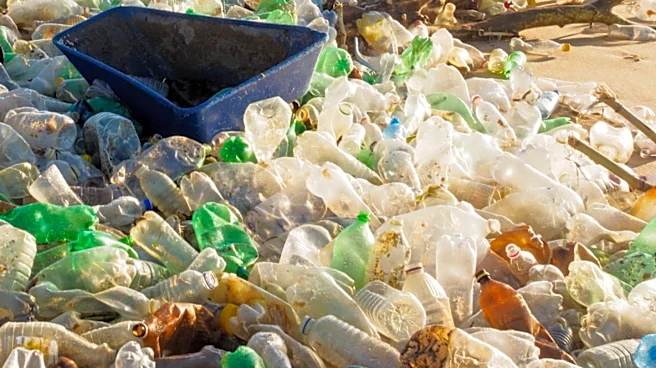
Negotiations for the UN Global Plastics Treaty have stalled, making a legally binding global agreement to address plastic pollution increasingly difficult. In response, many Asian countries are proactively implementing their own policies to control plastic pollution,
particularly given the region's significant role in manufacturing and the global plastics supply chain. These national measures include mandatory recycled material requirements for products and packaging, certification and traceability mechanisms, and new import and export standards. For instance, India has mandated that rigid plastic food packaging must contain at least 40% recycled material by 2026-2027, increasing to 60% by 2028-2029. South Korea announced a requirement for plastic beverage bottles to contain at least 10% recycled material from September 2025, and Japan will offer incentives for public procurement of plastic bottles with a minimum of 15% recycled material starting January 2026. These policies aim to reshape regional supply chains and promote a circular economy.
Why It's Important?
The independent actions by Asian nations are significant because they create stable demand for recycled plastics, encouraging collection, processing, and reprocessing without necessarily resorting to controversial measures like plastic bans or environmental taxes. These national regulations can have a ripple effect beyond their borders; when a large market imposes a mandatory requirement, multinational corporations may adjust their global supply chains and production processes to meet the standard. This is because maintaining multiple inventory systems, packaging, and production processes increases costs, incentivizing the adoption of a unified standard across various markets. In the long term, this stable demand for recycled materials is expected to encourage investment in plastic collection, sorting, and processing infrastructure. Increased production scale and the involvement of multiple suppliers could help reduce the cost of recycled materials, transforming the supply chain and creating an incentive for businesses to maintain these models due to initial investments and long-term contracts.
What's Next?
The effectiveness of these national policies will depend on factors such as collection capacity, raw material quality, processing costs, and the ability to enforce regulations within each country. China, for example, could significantly impact the market if it were to make its existing advisory standards for recycled plastics mandatory, potentially using the experiences of India, South Korea, and Japan as reference points. Regional cooperation is also expected to advance, with certification and traceability tools like QR codes and barcodes being implemented to improve monitoring of plastic flow and reduce improper disposal. While some countries have opted for unilateral border closures on plastic waste imports, China's approach of allowing re-importation of certain plastic by-products based on clear standards, coupled with certification and quality control, suggests a potential shift towards managing cross-border material flows through quality control rather than outright bans. The next challenge involves establishing common regional rules and transparent tracking systems to support a cross-border market for recyclable materials.
Beyond the Headlines
The proactive measures by Asian countries highlight a broader shift in global environmental governance, where national and regional initiatives are stepping in to address critical issues when international consensus is elusive. This decentralized approach to plastic pollution management could lead to a patchwork of regulations, potentially creating complexities for global businesses but also fostering innovation in recycling technologies and supply chain management. The emphasis on mandatory recycled content and traceability mechanisms reflects a growing recognition of the need for a circular economy, moving beyond mere waste management to fundamentally redesign how materials are used and reused. This trend could set new precedents for environmental policy, demonstrating that significant progress can be made through national and regional efforts, even in the absence of a comprehensive international framework. It also underscores the economic incentives driving sustainability, as stable demand for recycled materials can spur investment and create new markets.