
What's Happening?
Farmers facing adverse decisions from the U.S. Department of Agriculture (USDA), such as loan denials or payment rejections, have a structured appeals process available to challenge these actions. Roger
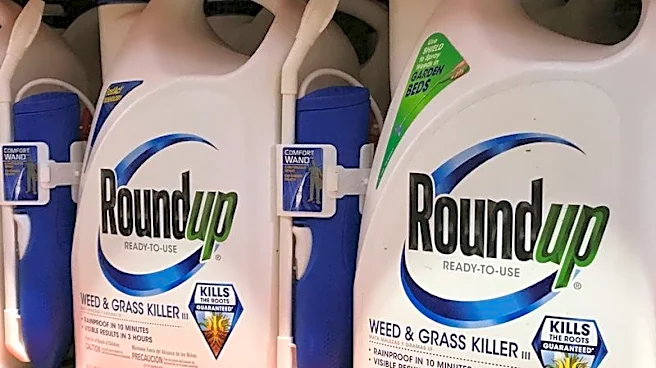
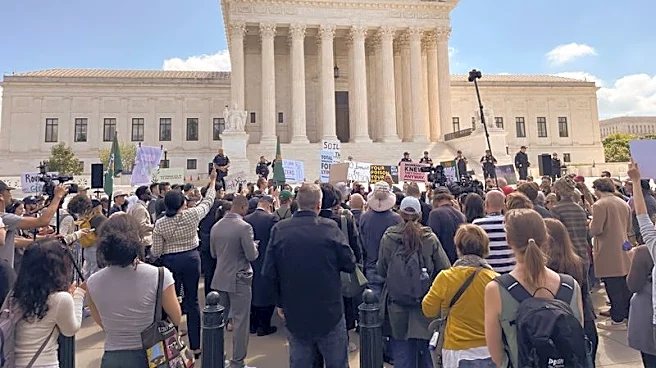
McEowen, a farm legal expert from Washburn University School of Law, provided insights on navigating the USDA appeals process during an interview. He explained the role of the National Appeals Division (NAD) and the types of decisions that can be appealed. McEowen also discussed the complexities of crop insurance disputes and recent Supreme Court oral arguments in a glyphosate-related case.
Why It's Important?
Understanding the appeals process is crucial for farmers as USDA decisions can significantly impact their operations and financial stability. The ability to challenge adverse decisions provides a mechanism for ensuring fair treatment and access to necessary resources. The discussion also highlights ongoing legal and regulatory challenges in agriculture, such as crop insurance disputes and environmental litigation, which can affect farming practices and policies.
What's Next?
Farmers are encouraged to familiarize themselves with the appeals process and seek legal guidance when necessary. The outcome of the glyphosate-related Supreme Court case could have broader implications for agricultural practices and regulatory standards. As policy changes continue to evolve, staying informed and proactive in addressing disputes will be essential for farmers navigating the complex agricultural landscape.