


What's Happening?
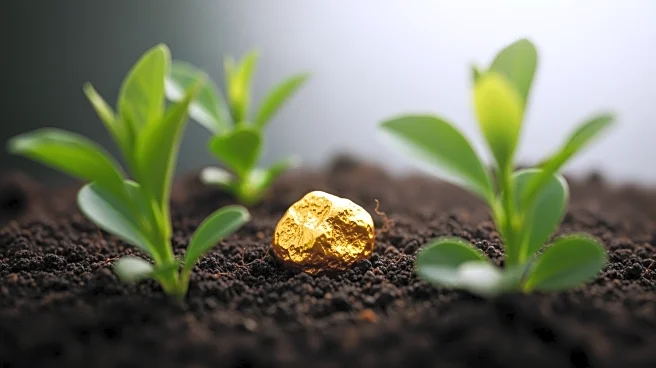
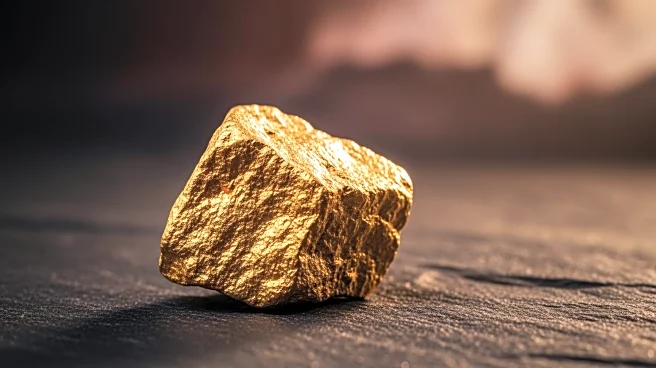
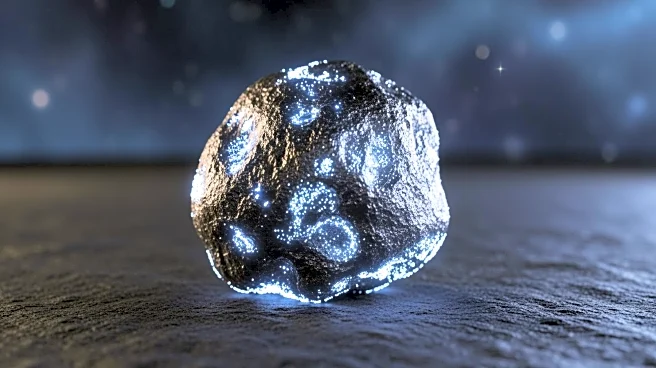
A study conducted aboard the International Space Station (ISS) has demonstrated that microbes can extract valuable metals from asteroid material in space. The experiment, part of the BioAsteroid project, used microorganisms to mine platinum-group elements
from meteorite samples. The fungus Penicillium simplicissimum was particularly effective, significantly enhancing the extraction of elements like palladium and platinum. This research suggests that microbial biomining could be a viable method for resource extraction in space, potentially reducing the need for costly resupply missions from Earth.
Why It's Important?
The ability to mine resources directly from asteroids could revolutionize space exploration by making missions more self-sufficient. This approach aligns with the concept of in-situ resource utilization, which aims to use materials available in space to support life and manufacturing. By reducing dependency on Earth-based supplies, space missions could become more sustainable and cost-effective. The study also highlights the potential for microorganisms to play a crucial role in future space habitats, contributing to life-support systems and material recycling.
What's Next?
Further research will focus on optimizing microbial biomining processes for space conditions, including selecting the most effective microbial species and refining growth conditions. The findings could lead to the development of biological mining systems integrated into life support and manufacturing infrastructure for long-duration space missions. As space exploration continues to expand, the ability to harness resources from asteroids could become a critical component of mission planning and sustainability.