




What's Happening?
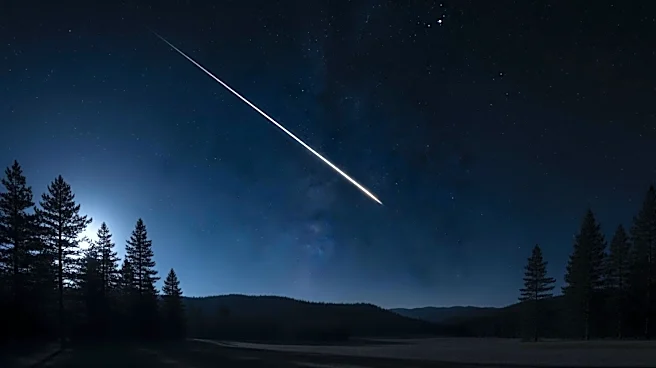
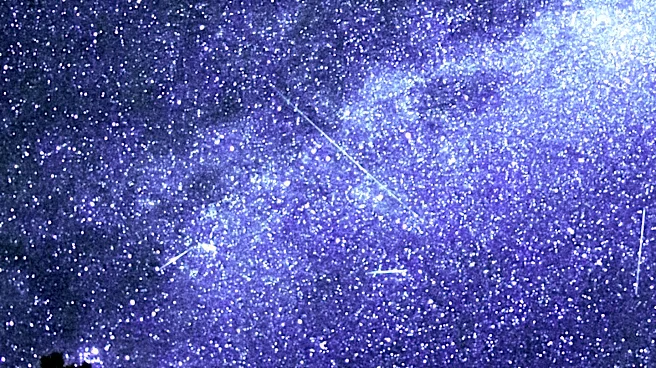
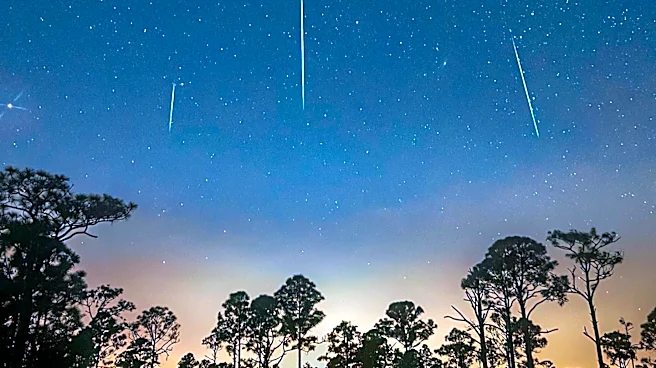
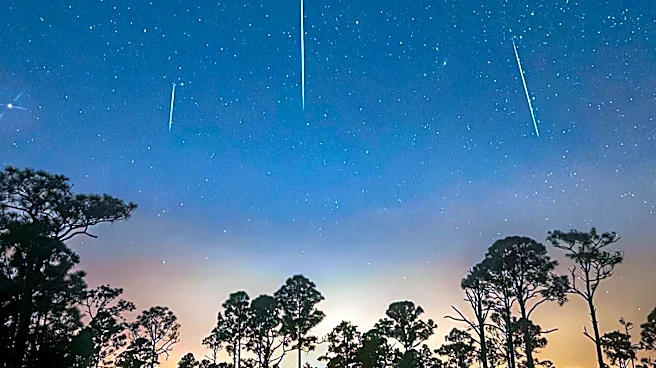
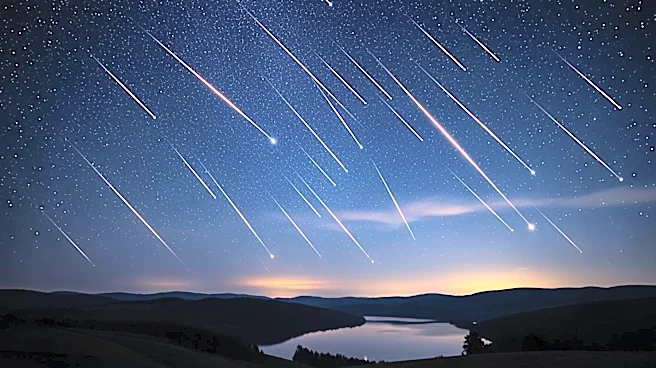
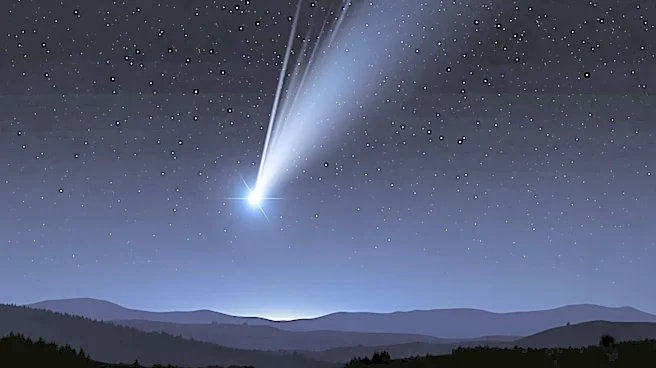
Two meteor showers, the Lyrids and the Eta Aquariids, are set to light up the night sky this weekend. The Lyrids, originating from the C/1861 G1 comet, will peak between April 21 and April 22, offering a display of 15 to 20 meteors per hour under optimal
conditions. The Eta Aquariids, fed by the 1P/Halley comet, will begin on April 19 and peak between May 5 and May 6, potentially showcasing up to 50 meteors per hour. The Lyrids are best viewed from the northern hemisphere, while the Eta Aquariids are more visible from the tropics. Viewers are advised to find locations with minimal light pollution for the best experience.
Why It's Important?
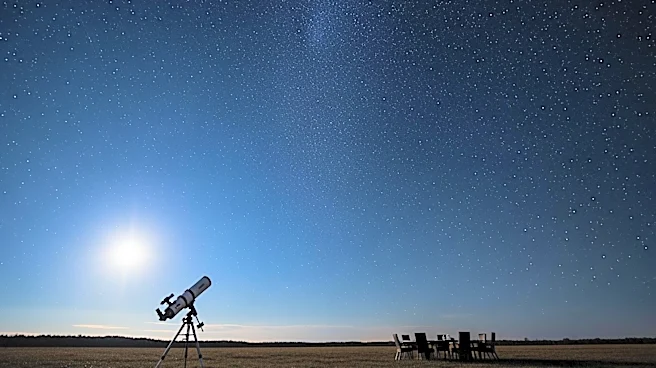
Meteor showers like the Lyrids and Eta Aquariids offer a unique opportunity for stargazers and astronomy enthusiasts to witness celestial events without the need for specialized equipment. These events can inspire interest in astronomy and science, providing educational opportunities for schools and families. Additionally, such natural phenomena can boost local tourism in areas known for clear skies and minimal light pollution, potentially benefiting local economies. The showers also serve as a reminder of the vastness and beauty of the universe, encouraging a broader appreciation for space exploration and scientific discovery.
What's Next?
As the meteor showers progress, enthusiasts and amateur astronomers will continue to monitor weather conditions and moon phases to optimize viewing experiences. The Lyrids will conclude by the end of April, while the Eta Aquariids will continue until late May. Communities and organizations may host viewing events, providing educational talks and activities related to astronomy. The American Meteor Society and other astronomical organizations will likely provide updates and tips for viewing, helping to engage a wider audience in these celestial events.